 Time: 2026-05-27
 Author: Zhuoxin Enterprise
 Source: Zhuo Xin
 Views: 472
Setting up a company in a UAE free zone can be straightforward. For many entrepreneurs, sharjah free zone business setup offers an affordable, fast route to full ownership. You avoid local sponsor requirements while enjoying tax exemptions. This guide explains the entire process in clear, short sections.
Sharjah hosts several world-class free zones. These include Hamriyah Free Zone (HFZ), Sharjah Airport International Free Zone (SAIF Zone), and Sharjah Publishing City Free Zone (SPCFZ). Each zone targets different industries. Whether you trade goods, offer services, or manufacture products, there is a tailored solution.
Understanding the local rules and documentation helps you complete sharjah free zone business setup within weeks. Below we break down the advantages, required steps, costs, and answers to common questions. No marketing fluff – just practical information.
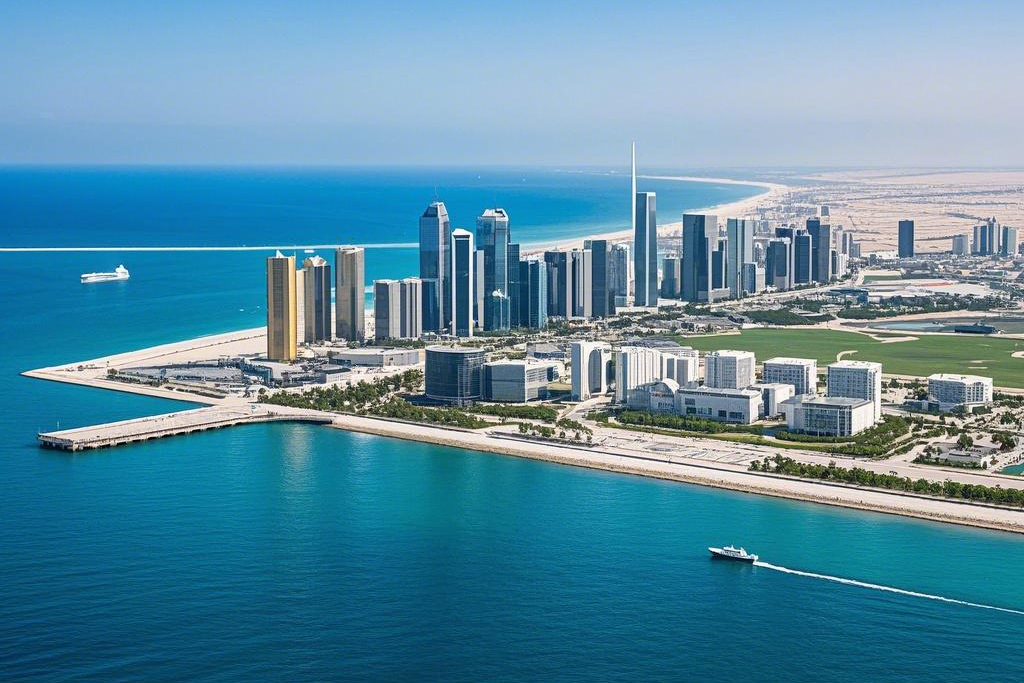
Why Choose Sharjah Free Zone Business Setup Over Other Emirates?
Sharjah’s free zones are known for lower startup costs compared to Dubai. You also get easy access to both Sharjah ports and major highways. Many businesses prefer the calm, business-friendly environment.
100% foreign ownership – no need for a local partner.
0% corporate and personal income tax for up to 50 years (renewable).
Full capital and profit repatriation.
Strategic location near Port Khalid and Sharjah International Airport.
Affordable warehouse and office spaces.
These benefits make sharjah free zone business setup a smart move for SMEs and startups. You can operate globally while keeping overhead low. Additionally, most zones provide simplified visa processes for shareholders and employees.
Step-By-Step Process: From Idea to Trade License
The registration journey follows a clear sequence. Each step is designed to reduce bureaucracy. Working with a local formation specialist can speed things up, but you can also apply directly.
Step 1: Choose Your Business Activity
Activities range from general trading to e-commerce, logistics, media, and light manufacturing. Each free zone maintains a list of permitted activities. Selecting the right one avoids later amendments.
Step 2: Select a Legal Structure
Options include Free Zone Establishment (FZE – single shareholder), Free Zone Company (FZC – 2 to 5 shareholders), or branch of a foreign/ local company. Your choice affects liability and visa quotas.
Step 3: Reserve a Company Name
Name must comply with UAE naming rules. Avoid blasphemous or offensive terms. Also, the name should not already be registered. The free zone authority will check availability.
Step 4: Submit Documents and Apply for Initial Approval
You will need passport copies, business plan (for some activities), and application forms. After initial approval, you receive a memorandum of association. The process is digital in most Sharjah free zones.
Step 5: Lease an Office or Flexi-Desk
Physical presence is mandatory. Options include shared desks, executive offices, or warehouses. For sharjah free zone business setup, many choose cost-effective flexi-desks that still qualify for visas.
Step 6: Obtain Your Business License and Visa Stamp
After paying fees and signing contracts, the trade license is issued. Then you can apply for residence visas for yourself, partners, and employees. Visa processing usually takes 5–10 working days.
Required Documents for Sharjah Free Zone Business Setup
Documentation is simpler than mainland company formation. However, missing any paper delays the process. Prepare the following items before applying.
Clear passport copy of each shareholder and director (minimum 6 months validity).
Two recent passport-size photographs.
Business plan (only for industrial or specialized licenses).
Application form – provided by the selected free zone.
Proof of address for shareholders (sometimes required).
No-objection certificate from current sponsor if you are already in UAE on a residence visa.
Most Sharjah free zones allow online submission. Original documents may need attestation for certain nationalities. Double-check zone-specific requirements before you start.
Cost Breakdown: What You Will Pay
Pricing is competitive compared to other emirates. Costs vary based on license type, legal structure, and office choice. Below is a realistic estimate for a standard trading license.
License fee: AED 6,000 – AED 12,000 per year.
Registration and administration: AED 2,500 – AED 5,000 (one-time).
Visa quota (each visa): AED 2,500 – AED 4,000.
Flexi-desk / shared workspace: AED 5,000 – AED 9,000 per year.
Emirates ID and medical test: Around AED 1,000 per person.
Total first-year cost for a single visa holder typically ranges from AED 15,000 to AED 25,000. Renewal fees are lower because registration fees are not repeated. Always request a pro-forma invoice before committing.
Types of Licenses in Sharjah Free Zones
Your business activity determines the license type. The three main categories are common across all zones. Select the one that matches your core operation.
Commercial License
This covers trading, import-export, retail, and general commerce. Most entrepreneurs choose commercial license because it is versatile and allows distribution of physical goods.
Service / Professional License
For service providers like consultants, IT firms, media agencies, marketing companies, and educational services. No physical inventory is required, but you still need an office space.
Industrial License
Targets light manufacturing, assembly, packaging, and industrial production. The free zone may require additional approvals from environmental or civil defense authorities.
Each license allows you to apply for visas. The standard package covers 2-6 visas depending on the zone. For sharjah free zone business setup, you can later increase visa quota by paying extra fees.
Compliance and Annual Renewal Obligations
Running a company in a free zone is not a “set and forget” task. You must renew your trade license every year. Late renewal incurs penalties. Also, keep audited financial records if you exceed the revenue threshold specified by the zone.
Most Sharjah free zones require an annual audit report for certain company types (especially FZCs). Even if not mandatory, maintaining proper books is good practice. Moreover, you must renew employee visas before expiry and cancel them if staff leave.
Anti-money laundering regulations apply. You need to register with the UAE’s supervisory authority and report suspicious transactions. sharjah free zone business setup includes compliance with these rules; non-compliance results in heavy fines.
Visa Quotas and Family Sponsorship
Once you hold a residence visa from a Sharjah free zone, you can sponsor your family. The process requires minimum salary proof and adequate housing. Each free zone sets its own salary threshold, usually around AED 4,000 – 5,000.
Visa quotas depend on office size and license type. A flexi-desk often permits 2-3 visas. Larger offices allow up to 10 or more. If you plan to grow quickly, consider renting a bigger space from the beginning.
You can also hire employees from abroad. They will need work permits and entry visas. The free zone PRO (Public Relations Officer) will manage most documentation. This makes sharjah free zone business setup efficient for small teams.
Common Challenges and How to Overcome Them
No process is perfect. Some entrepreneurs face delays due to incomplete forms or activity mismatches. Others underestimate the total cost. Below are typical obstacles and solutions.
Activity too broad: Free zones restrict activities to one or two per license. Solution: add secondary activities after six months of operation.
Bank account opening: Some UAE banks ask for physical office visit or high minimum balance. Work with a corporate service provider that has bank relationships.
Visa medical test delays: Use accredited typing centers to book appointments in advance.
Renewal confusion: Set reminders 2 months before expiry, and keep your tenancy contract active.
Being proactive solves 90% of problems. Also, working with experienced PRO agents reduces administrative friction. For many, sharjah free zone business setup proceeds smoothly when they follow the checklist above.
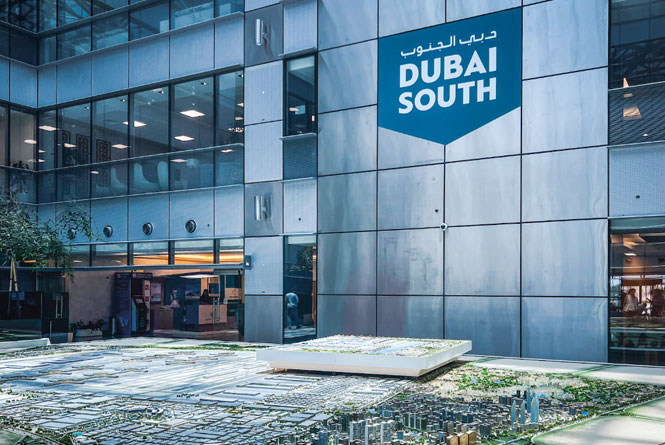
Comparing Sharjah’s Main Free Zones: SAIF Zone vs Hamriyah vs Publishing City
Choosing the right zone impacts your daily operations. Each has unique advantages. Consider your industry and budget before making a choice.
SAIF Zone (Sharjah Airport International Free Zone)
Best for logistics, aviation, and trading. Proximity to airport speeds up cargo movement. Setup packages are very affordable, with licenses starting around AED 5,500 per year.
Hamriyah Free Zone (HFZ)
Ideal for heavy industries, oil & gas, and manufacturing. It has deep-water port facilities and large land plots. HFZ also offers tailored solutions for engineering firms.
Sharjah Publishing City Free Zone (SPCFZ)
Designed for media, publishing, education, and creative industries. It offers cluster benefits for content creators and publishers. Costs are mid-range, and the community is vibrant.
Regardless of which zone you pick, the core sharjah free zone business setup procedure remains similar. However, check zone-specific activity lists and visa policies before you apply.
Conclusion: Take the First Step Toward Your Business
Starting a company in Sharjah’s free zones gives you a competitive edge through low costs and full ownership. The process is transparent, fast, and supported by professional service providers. You can complete the main paperwork in less than two weeks if all documents are ready.
Make sure to budget for office space, visa deposits, and annual license renewal. Partner with a reliable formation consultant to avoid hidden fees. sharjah free zone business setup can be your gateway to the Middle East, Africa, and Asian markets. With the right planning, your company will thrive in this stable, business-friendly environment.
Frequently Asked Questions (FAQ)
Q1: What is the minimum capital required for sharjah free zone
business setup?
A1: Most Sharjah free zones do not impose a minimum
share capital requirement for FZE or FZC structures. However, for industrial
licenses or specific regulated activities, you may need to show paid-up capital
(usually AED 150,000 or more). Always verify with the chosen free zone.
Q2: Can I live in Dubai while my company is registered in Sharjah
free zone?
A2: Yes. Your residence visa is issued by the Sharjah
free zone, but you can live anywhere in the UAE (Dubai, Sharjah, Ajman, etc.).
There are no restrictions. Many business owners choose to live in Dubai due to
lifestyle preferences, while keeping their office in Sharjah.
Q3: How long does the entire setup process take?
A3:
Assuming all documents are correct, license issuance takes 5 to 7 working days.
After that, visa stamping and Emirates ID processing add another 10 to 15 days.
In total, expect 2 to 4 weeks from application to having a fully operational
entity and residence visa.
Q4: Is a physical office mandatory for a sharjah free zone business
setup?
A4: Yes, all free zone companies must have a physical
address. However, you can choose a flexi-desk or shared workspace, which costs
less than a full office. Virtual offices are not accepted for visa applications.
Your tenancy contract must be active throughout the license period.
Q5: Can I trade directly in the UAE mainland with a free zone
license?
A5: Generally, free zone companies cannot conduct retail or
direct local sales in the mainland without a local distributor or a separate
mainland branch. Exceptions exist if you sell B2B to mainland companies and your
goods enter through a customs channel. For full mainland access, you may need a
dual licensing arrangement or a mainland setup. Consult a legal advisor for
specific cases.
Q6: Are there any hidden fees during annual renewal?
A6:
Reputable free zones publish all renewal fees online. However, watch out for
changes in visa deposit amounts (refundable) or increases in administrative
charges. Always request a breakdown before renewal. Choosing a zone with
transparent pricing, such as SAIF Zone or Hamriyah, reduces surprises.
Q7: Can I change my business activity after
incorporation?
A7: Yes. You can apply to amend your license by
submitting a change request and paying a fee. The process takes a few days. It
is easier to add secondary activities at the time of initial setup, so think
ahead. Major changes may require new approvals from the zone authority.