 Time: 2026-08-14
 Author: Zhuoxin Enterprise
 Source: Zhuo Xin
 Views: 624
Setting up a business in the UAE requires careful planning. sharjah company registration is a popular choice for entrepreneurs seeking cost-effective solutions. Sharjah offers industrial zones, trading hubs, and professional licenses. This guide shares eight actionable tips to simplify your sharjah company registration journey. You will learn about documents, costs, and common errors. Let us begin with the basics.
1. Why Sharjah? The Strategic Edge for Your Business
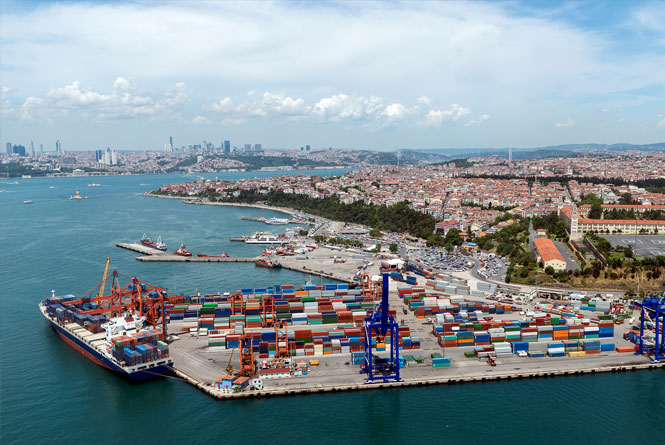
Sharjah is the third-largest emirate in the UAE. It provides direct access to Dubai and the northern emirates. Many investors prefer Sharjah because setup costs are lower than in Dubai or Abu Dhabi.
The emirate has six free zones, including Sharjah Airport International Free Zone (SAIF Zone) and Hamriyah Free Zone. These zones offer 100% foreign ownership and tax exemptions. sharjah company registration in a free zone can be completed within two weeks.
Low operational expenses compared to other UAE hubs.
Strong logistics infrastructure with ports and highways.
Diverse business activities: trading, manufacturing, services.
Access to a skilled workforce at competitive wages.
2. Different Business Structures Under sharjah company registration
Before you start, decide on your legal structure. Each structure has unique requirements. The main options are Free Zone Establishment (FZE), Free Zone Company (FZCO), and Limited Liability Company (LLC) on the mainland.
For free zones, you can register as a branch of a foreign parent company or a new standalone entity. Mainland sharjah company registration allows you to trade directly in the local market. However, mainland LLCs need a local service agent (not a sponsor in some cases).
Free Zone vs Mainland – Quick comparison
Free zone: 100% foreign ownership, no local partner, limited to free zone territory and international markets.
Mainland: Trade anywhere in UAE, but may require a local agent (for professional licenses).
Costs: Free zone registration often includes visa packages. Mainland registration involves additional civil defense approvals.
3. Step-by-Step Process to Complete sharjah company registration
The registration process can be broken into clear stages. Follow these steps to avoid delays.
Step 1 – Choose your business activity. Activities must be approved by the Department of Economic Development (DED) or the respective free zone authority. Some activities require third-party approvals.
Step 2 – Select a trade name. Your trade name must comply with UAE naming conventions. Avoid offensive terms or references to religious symbols.
Step 3 – Apply for initial approval. Submit your application to the relevant authority. This approval confirms the government has no objection to your business.
Step 4 – Draft Memorandum of Association (MOA). For mainland companies, the MOA must be notarized. Free zones provide standard contracts.
Step 5 – Lease an office or warehouse. Physical address proof is mandatory. Many free zones offer flexi-desks or shared workspaces.
Step 6 – Obtain your business license and register with immigration. After paying fees, you receive your license. Then you can apply for employee visas.
4. Cost Breakdown for sharjah company registration
Understanding costs helps you budget correctly. Prices vary depending on the jurisdiction and business type. Below is a realistic estimate for a small trading company in a Sharjah free zone.
Trade name reservation: USD 150 – 300
Initial approval fee: USD 300 – 600
License fee (annual): USD 2,500 – 8,000 depending on activity
Office rent (flexi-desk): USD 1,500 – 3,000 per year
Visa quotas (each visa): USD 400 – 800 per visa, plus medical and ID costs
Legal and PRO services: USD 800 – 2,000 if outsourced
Note that sharjah company registration in mainland zones might include additional fees like tenancy contracts and chamber of commerce membership. Always request a full quotation from your chosen authority.
5. Free Zone vs Mainland – Which Fits Your sharjah company registration?
This decision impacts your operations. Free zones are ideal for export-oriented businesses, e-commerce, and logistics. Mainland registration suits retail stores, restaurants, and service providers targeting local customers.
Free zones offer fast incorporation and annual renewal packages. Mainland companies can bid for government tenders. But mainland sharjah company registration may require a local partner for certain commercial licenses. Recent UAE reforms allow 100% foreign ownership in many mainland activities, so check the latest rules.
Key questions to ask yourself
Will I sell directly to UAE consumers or mostly export?
Do I need multiple visas for staff? Free zones often provide visa blocks.
What is my initial budget? Free zone packages are more predictable.
6. Common Mistakes That Delay sharjah company registration
Many entrepreneurs face unnecessary delays. Avoiding these pitfalls will speed up your application.
Choosing unapproved activities: Some activities need special permits from external ministries. Verify your activity code before applying.
Incomplete documentation: Missing passport copies, bank references, or business plans cause rejections.
Ignoring visa quotas: Each license has a maximum number of visas. Plan your team size accordingly.
Not reserving a trade name early: Popular names get taken quickly. Reserve your name at the start.
Underestimating renewal costs: Licenses must be renewed annually. Factor in administrative and legal fees.
Avoid these errors by working with a reliable business setup consultant. A consultant can streamline your sharjah company registration and ensure compliance.
7. Post-Registration Must-Dos: Bank Accounts and Visas
After obtaining your license, the work continues. Opening a corporate bank account is essential. UAE banks require physical office proof, license copies, and shareholder details. Some digital banks accept free zone companies faster.
You also need to process employee residence visas. The process includes entry permits, medical tests, Emirates ID registration, and visa stamping. Most free zones offer in-house typing centers for visa services.
Additionally, maintain proper accounting records. Though not mandatory for small free zone firms, annual audits are recommended for visa renewals and banking relationships. sharjah company registration success depends on long-term compliance.
8. Final Checklist Before Submitting Your sharjah company registration Application
Before you hit submit, review this checklist. It covers the essentials for a smooth process.
Confirmed business activity with relevant authority.
Trade name reservation certificate.
Passport copies of all shareholders and managers (plus visa copies if inside UAE).
No-objection letter from current sponsor (if applicable).
Memorandum of Association drafted and notarized (mainland) or free zone application form.
Office lease agreement or flexi-desk contract.
Sufficient funds for licensing and visa deposits.
Completing this checklist reduces back-and-forth with government departments. A well-prepared sharjah company registration can be finalized in 10 to 15 working days.
In summary, sharjah company registration offers a balanced mix of affordability and strategic location. By following the eight tips above—choosing the right structure, budgeting correctly, and avoiding common mistakes—you can launch your business efficiently. Whether you pick a free zone or mainland setup, Sharjah provides a supportive ecosystem for startups and SMEs. Start your application today and take advantage of the emirate’s growing economy.
Frequently Asked Questions About Sharjah Company Registration
Q1: How long does the entire sharjah company registration process take?
A1: The timeline varies by jurisdiction. In free zones like SAIF Zone or Hamriyah, registration takes 7 to 14 working days. Mainland registration may take 3 to 4 weeks because of additional approvals from the Department of Economic Development and other authorities. Using a professional service provider can shorten the timeline.
Q2: What is the minimum capital required for sharjah company registration?
A2: Most Sharjah free zones do not require paid-up capital. However, you must show proof of financial solvency. For mainland LLCs, the capital requirement is often AED 150,000 to AED 300,000, but recent reforms have reduced or eliminated minimum capital for many activities. Always check with the specific authority.
Q3: Can a foreign investor own 100% of a company through sharjah company registration?
A3: Yes. In all Sharjah free zones, foreign investors can hold 100% ownership. On the mainland, 100% foreign ownership is allowed for over 1,000 commercial and industrial activities as per the UAE’s Commercial Companies Law. Some professional activities still require a local service agent (not a partner).
Q4: What documents are mandatory for sharjah company registration in a free zone?
A4: Standard documents include: a completed application form, passport copies of shareholders and directors, proof of address (utility bill or bank statement), a business plan (for certain activities), and a no-objection letter from the current sponsor if the shareholder resides in the UAE. Some free zones also ask for a bank reference letter.
Q5: How much does it cost to renew a license after sharjah company registration?
A5: Renewal fees typically range from USD 2,000 to USD 6,000 per year, depending on the free zone and number of visas. This includes the license fee, administrative charges, and visa renewal costs. Mainland renewals also include chamber of commerce fees and civil defense renewals. Plan your annual budget accordingly.