 Time: 2026-05-26
 Author: Zhuoxin Enterprise
 Source: Zhuo Xin
 Views: 420
Setting up a new enterprise in a foreign country can be daunting, but the United Arab Emirates offers highly structured options to make the transition easier. Choosing a freezone business setup in uae is one of the most popular methods for international founders looking to establish a presence in the Middle East.
The UAE has established dozens of specialized economic zones designed to encourage foreign direct investment. These zones offer tailored administrative support, modern infrastructure, and highly efficient registration processes.
Understanding how these zones operate, their financial requirements, and the step-by-step registration path is essential before making an investment. This guide outlines the key details to consider when planning your business launch.
Major Benefits of freezone business setup in uae
The primary appeal of these economic zones lies in the regulatory benefits they provide to foreign investors. Unlike mainland companies, which may face specific restrictions depending on the sector, these areas offer highly business-friendly policies.
These zones operate under their own independent regulatory frameworks. This means they can offer simplified administrative procedures, custom-tailored licensing, and efficient dispute resolution mechanisms.
The most notable benefits of choosing this corporate structure include:
100% Foreign Ownership: You retain complete ownership of your company without needing a local UAE national partner.
Full Capital Repatriation: Investors have the freedom to transfer all profits and capital back to their home country.
Import and Export Exemptions: Most zones offer exemptions from customs duties on goods imported and exported within the zone.
Strategic Infrastructure: Direct access to major airports, seaports, and highways optimized for trade.
Choosing the Right Jurisdiction for Your Business
With more than 40 distinct economic zones across the country, selecting the right location is a critical business decision. Each zone caters to specific industries, business models, and budget constraints.
Setting up in a location that matches your target market and operational needs will save time and administrative costs. It is helpful to categorize these zones by their primary industrial focus.
Industry-Specific Hubs
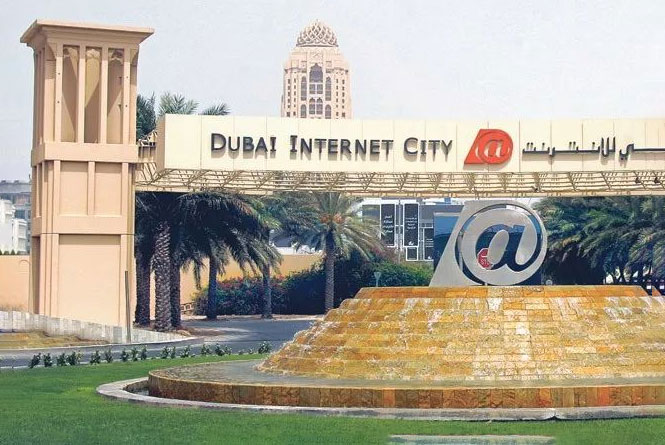
Some areas are designed specifically for businesses operating in technology, media, healthcare, or finance. Examples include Dubai Internet City for tech firms and Dubai Design District for creative agencies.
Operating within these specialized zones allows businesses to network with peers, access industry-specific talent, and participate in local sector events.
Logistics and Manufacturing Centers
If your business relies heavily on physical trade, manufacturing, or distribution, you require direct access to transport hubs. Zones like the Jebel Ali Free Zone (JAFZA) are positioned next to massive container ports.
These zones offer expansive warehousing, cold storage facilities, and customized assembly spaces to support high-volume supply chains.
Cost-Effective Northern Emirates Zones
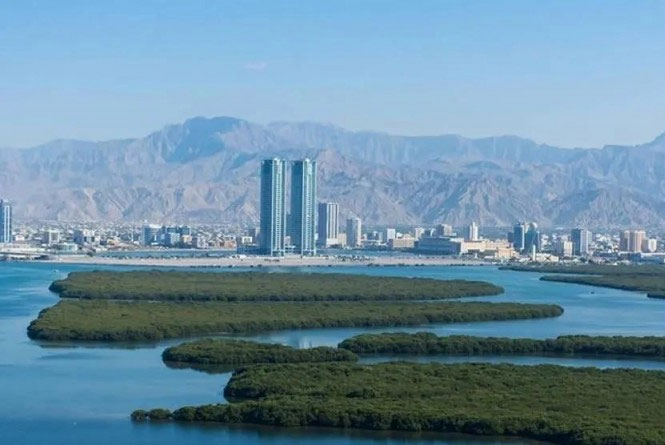
For startups, consultants, and remote workers, the Northern Emirates offer highly competitive packages. Zones in Sharjah, Ras Al Khaimah, and Fujairah provide lower license fees and virtual office options.
These locations allow you to obtain a valid license and residence visa with lower upfront capital commitments compared to central Dubai hubs.
Essential Steps in the Setup Process
The registration process in these economic zones is highly streamlined. However, following the correct sequence of steps is important to avoid delays or rejection of your application.
Most registration authorities allow you to complete the initial phases online or through an authorized corporate service provider.
1. Determine Your Business Activity
First, you must define the exact nature of your business operations. This step is vital because it determines the type of license you will receive and the specific regulations you must follow.
Most jurisdictions categorize activities into commercial, professional, industrial, or e-commerce classes. You can often bundle multiple related activities under a single license.
2. Register Your Company Name
Next, you must submit three preferred names to the registration authority for approval. The UAE has strict guidelines regarding corporate names to prevent consumer confusion.
Your trade name must not contain offensive language, reference religious terms, or copy established global brands. If using your own name, it must be registered in full rather than as an abbreviation.
3. Submit Your Documentation
Once your name and activity are approved, you must compile and submit your official application. The required paperwork is generally straightforward but must be prepared carefully.
Standard documents required for the application include:
Clear color copies of investor and director passports.
Proof of residential address in your home country (such as a utility bill).
A brief, professional business plan for specific regulated activities.
The official application form provided by the specific zone authority.
4. Finalize Office Space and Visas
Every registered business must maintain a physical address within its chosen zone. This can range from a shared co-working space to a private office building.
Once your lease or desk agreement is finalized, the authority will issue your trade license. You can then begin applying for residency visas for yourself, your family, and your employees.
Key Cost Components to Plan For
While establishing a business in these zones is highly accessible, you must budget for several distinct fees. Understanding these expenses helps you manage your cash flow during the critical launch phase.
The total cost is determined by your chosen location, the size of your office, and the number of residence visas you require.
Common expenses to include in your initial budget planning are:
One-Time Registration Fee: Paid directly to the authority to establish the new corporate legal entity.
Annual License Fee: The recurring fee required to keep your business operating legally.
Office Rent or Desk Allocation: The cost of leasing a flexi-desk, executive office, or warehouse space.
Establishment Card Fee: An immigration registration fee that allows your company to sponsor visas.
Visa Application Costs: Paid per person for entry permits, medical checks, and Emirates ID cards.
Important Operational Compliance and Regulations
Operating a business in the UAE requires adhering to local laws and international financial standards. Remaining compliant ensures your business operates without the risk of fines or administrative suspension.
While these zones offer high operational independence, they are still subject to federal laws regarding corporate governance and financial reporting.
Corporate Income Tax
The UAE introduced a federal corporate tax of 9% on taxable business profits exceeding AED 375,000. However, many companies in economic zones can still qualify for a 0% tax rate.
To benefit from the 0% rate, your company must meet the criteria of a "Qualifying Free Zone Person." This includes maintaining adequate substance and earning qualifying income.
Economic Substance Regulations (ESR)
Certain industries must demonstrate that they have actual economic substance within the country. This applies to activities like banking, insurance, shipping, and intellectual property management.
Companies performing these activities must show they have local staff, physical offices, and operational expenses in the UAE to justify their income.
Anti-Money Laundering (AML) Compliance
The UAE takes financial crime prevention very seriously. Businesses in specific sectors, such as real estate, precious metals, and professional services, must register with the government's AML portal.
You must establish internal policies to verify the identity of your clients, report suspicious transactions, and maintain accurate transaction histories.
Common Pitfalls to Avoid During Registration
Many entrepreneurs encounter unnecessary hurdles during setup because they fail to research the local market rules thoroughly. Avoiding these common mistakes will save you time and capital.
One common issue is failing to understand the limitations of your license. A company registered in an economic zone cannot sell goods directly to the local mainland retail market without a local agent or distributor.
Another challenge is opening a corporate bank account. UAE banks maintain strict compliance procedures and will closely evaluate your business model, source of funds, and professional background before opening an account.
Keep these tips in mind to ensure a smooth setup experience:
Work with verified registration specialists who understand the local banking landscape.
Prepare a clear, realistic business plan that demonstrates genuine market demand.
Understand the renewal costs of your chosen zone before signing the initial contract.
Ensure your business activities are fully covered by your license to avoid regulatory fines.
Conclusion: Starting Your Journey
Establishing a business in the UAE remains a highly viable path for international growth. A freezone business setup in uae provides the regulatory security, tax efficiency, and operational flexibility that modern startups and corporates require.
By carefully selecting your jurisdiction, planning your budget, and maintaining strict compliance with local laws, you can position your enterprise for long-term regional success.
Frequently Asked Questions
Q1: Can a freezone company trade directly with mainland UAE companies?
A1: A freezone company can sell services to mainland companies but cannot sell physical goods directly to the mainland market without utilizing a licensed local distributor or opening a mainland branch office.
Q2: Is a physical office lease required for all freezone registrations?
A2: Yes, every business must have a registered address. However, most authorities allow you to meet this requirement by renting a shared co-working desk or virtual flexi-desk, which is highly cost-effective.
Q3: How long does the entire registration process take?
A3: The registration timeframe varies by jurisdiction. Simple setups with virtual desk options can be completed in 5 to 10 working days, while complex industrial or regulated activities may take several weeks.
Q4: Do I need to deposit share capital in a bank account to start my company?
A4: Many modern zones do not require you to show or deposit minimum share capital during the initial setup phase. However, some specialized zones or specific legal structures may still require capital verification.
Q5: Can I sponsor my family members for residency visas under my company license?
A5: Yes, once you receive your investor or partner visa, you can sponsor your spouse, children, and parents for their residence visas, subject to meeting the minimum monthly income requirements set by immigration.