 Time: 2026-08-19
 Author: Zhuoxin Enterprise
 Source: Zhuo Xin
 Views: 1
For international B2B enterprises, the decision to establish a physical presence in the Middle East often converges on the United Arab Emirates. Within the UAE, the free zone model has emerged as the preferred vehicle for foreign-owned entities seeking operational autonomy, fiscal efficiency, and streamlined market access. A Dubai free zone business setup offers a distinct set of advantages that align with the strategic objectives of manufacturing firms, logistics providers, technology companies, and professional services organizations. This analysis examines the structural, legal, and operational dimensions of company formation in Dubai's free zones, providing a reference framework for decision-makers evaluating this jurisdiction.
The free zone ecosystem in Dubai is not a monolithic structure. It comprises multiple specialized zones, each governed by its own regulatory authority, licensing framework, and sectoral focus. This diversity permits enterprises to select an environment that mirrors their industry requirements, whether those relate to logistics, finance, media, healthcare, or advanced manufacturing. A Dubai free zone business setup begins with a clear understanding of these distinctions, as the choice of zone directly influences the scope of permitted activities, the cost of incorporation, and the nature of ongoing compliance obligations.

The Dubai Free Zone Advantage for B2B Operations
Several structural features distinguish the free zone model from mainland incorporation, making it particularly attractive for B2B entities that prioritize ownership control, capital mobility, and operational agility. These features are embedded in the regulatory architecture and are consistently applied across most free zones.
Full foreign ownership: Enterprises incorporated in a free zone retain 100% equity ownership, removing the requirement for a local partner or sponsor. This structure provides complete decision-making authority over board composition, profit distribution, and strategic direction.
Capital and profit repatriation: There are no restrictions on the movement of capital or the repatriation of profits to the home country. This financial fluidity is supported by the UAE's stable currency peg and its robust banking infrastructure.
Customs duty exemptions: Goods and materials imported into the free zone for storage, processing, or re-export are exempt from customs duties. For B2B supply chain operations, this translates into tangible cost advantages, particularly for re-export activities targeting regional markets.
Streamlined company formation procedures: Free zone authorities operate as one-stop shops, consolidating the licensing, visa processing, and registration functions. This reduces administrative friction and accelerates the timeline from incorporation to operational readiness.
These advantages are not merely theoretical. For a logistics firm managing cross-border inventory, the customs exemption directly improves landed cost calculations. For a software development house, full ownership ensures that intellectual property remains within the corporate group without local equity dilution. Each benefit maps to a specific operational outcome, making the Dubai free zone business setup a practical choice for enterprises with clear regional objectives.
Categorization of Free Zones and Their Specializations
Dubai hosts over thirty free zones, each with a defined industry focus and a distinct regulatory framework. Selecting the appropriate zone requires an assessment of the company's core activities, growth projections, and operational dependencies.
Industry-Specific Zones
Certain free zones are purpose-built for particular sectors. Dubai Multi Commodities Centre (DMCC) serves commodities trading, precious metals, and related services. Dubai Airport Freezone (DAFZA) is oriented toward aviation, logistics, and technology enterprises that require proximity to air freight infrastructure. Dubai Internet City and Dubai Media City cater to technology and media firms, offering co-location with regional headquarters of major global players. For healthcare and pharmaceutical entities, Dubai Healthcare City provides a dedicated regulatory environment with links to the local health authority.
This sectoral specialization means that the choice of zone affects not only the licensing cost but also the availability of sector-specific infrastructure, networking opportunities, and talent pools. A Dubai free zone business setup for a fintech firm, for example, would logically consider the Dubai International Financial Centre (DIFC) due to its common law framework and independent regulatory oversight for financial services.
General-Purpose Zones and Multi-Use Facilities
Other free zones, such as Jebel Ali Free Zone (JAFZA), accommodate a broader range of activities, from light manufacturing to warehousing and trading. These zones offer flexibility for enterprises that operate across multiple sectors or anticipate diversifying their activity portfolio over time. JAFZA's integration with the Jebel Ali Port and its proximity to logistics corridors make it a strategic choice for supply chain-oriented businesses.
For B2B enterprises with complex operational requirements, the evaluation process must consider not only the zone's industry alignment but also its physical infrastructure, connectivity to transportation networks, and the availability of ancillary services such as customs clearance, freight forwarding, and third-party logistics providers. These factors collectively determine the operational viability of the Dubai free zone business setup over the medium to long term.
Legal Entity Structures and Licensing Options
Once a zone is selected, the next decision concerns the legal form of the entity. The free zone framework provides several structures, each with implications for liability, governance, and capital structure.
Free Zone Establishment (FZE)
An FZE is a single-shareholder entity, meaning it is owned by one corporate or natural person. This structure is appropriate for wholly owned subsidiaries of multinational groups or for individual entrepreneurs seeking a dedicated vehicle for regional operations. The FZE offers limited liability, and its governance is straightforward due to the single-owner structure.
Free Zone Company (FZCO)
An FZCO accommodates between two and fifty shareholders, making it suitable for joint ventures or for enterprises that wish to distribute ownership among multiple corporate entities or individuals. The liability of each shareholder is limited to their respective capital contribution. The governance framework for an FZCO is typically defined in the company's articles of association, which can be tailored to reflect the specific control and profit-sharing arrangements among the shareholders.
Branch of a Foreign Company
For established multinational corporations, establishing a branch office within a free zone may be the preferred route. The branch operates under the parent company's legal identity and is subject to the same licensing and compliance requirements as an independent entity, but it does not require a separate local shareholding structure. This approach preserves the parent's global governance and financial reporting consolidation while providing a licensed presence in Dubai.
Licensing Categories
The license issued to a free zone company defines the scope of activities it may undertake. The predominant license types include:
Commercial license: For trading, distribution, and import-export activities.
Industrial license: For manufacturing, assembly, and processing operations.
Service license: For professional services, consulting, technology solutions, and administrative support.
Each license category has specific requirements regarding physical workspace, capital adequacy, and the qualifications of the personnel involved. A Dubai free zone business setup that involves multiple activity types may require separate licenses or the acquisition of a general trading license with multiple activity codes. This determination is made during the application process and is reviewed by the zone authority.
Physical Presence and Workspace Requirements
Contrary to a common misconception, a Dubai free zone business setup does not always require a large physical footprint. However, every entity must demonstrate a physical address within the zone. The workspace options range from flexi-desks and shared co-working spaces to custom-built warehouses and office towers.
The choice of workspace directly impacts the cost structure and operational capabilities. For B2B service providers, a serviced office with meeting facilities and high-speed connectivity may suffice. For trading or manufacturing entities, the workspace must accommodate inventory storage, processing equipment, or logistics flows. Some zones, such as JAFZA and Dubai South, offer large-scale industrial plots and build-to-suit facilities for enterprises with substantial operational requirements.
It is also worth noting that certain free zones have minimum space requirements tied to the license category and the number of visas to be issued. These requirements are enforced through the lease agreement and are verified during the annual renewal process. Enterprises planning a Dubai free zone business setup should factor these space obligations into their financial projections and operational planning.
Banking, Finance, and Capital Movement
Opening a corporate bank account is a necessary step following incorporation. The UAE banking sector is well-developed, with both local and international banks offering business accounts to free zone entities. However, the account opening process has become more rigorous in recent years, with enhanced due diligence requirements relating to the beneficial ownership structure, the source of funds, and the anticipated transaction volumes.
For B2B enterprises, the ability to receive payments in multiple currencies, issue letters of credit, and access trade finance facilities is often a key requirement. Banks in Dubai are accustomed to supporting international trade flows, and many have dedicated relationship managers for free zone clients. The choice of banking partner should be informed by the entity's transaction profile, the geographical spread of its counterparties, and its future capital needs.
Capital movement into and out of the free zone is unrestricted, provided that all transactions are recorded through the corporate bank account and that any regulatory reporting obligations are satisfied. This financial flexibility is one of the primary drivers for considering a Dubai free zone business setup, as it enables headquarters to allocate capital to regional operations without administrative friction or regulatory delays.
Compliance, Auditing, and Regulatory Reporting
Ongoing compliance obligations are a central aspect of maintaining a free zone license. These obligations vary by zone but generally include annual financial audits, license renewal, and regulatory filings with the zone authority.
Annual financial statements must be prepared in accordance with International Financial Reporting Standards (IFRS) or other applicable standards and must be audited by a registered auditing firm in the UAE. The audited financials are submitted to the zone authority as part of the renewal process. In addition to the financial audit, certain zones require annual compliance declarations confirming that the company has maintained its physical presence, that it has not engaged in activities outside its licensed scope, and that its visa quotas are aligned with its workforce.
From a regulatory perspective, free zone entities are also subject to anti-money laundering (AML) and counter-terrorism financing (CTF) regulations. This entails implementing internal controls, conducting customer due diligence, and reporting suspicious transactions to the UAE's Financial Intelligence Unit. For B2B enterprises dealing with high-value transactions or cross-border payments, these compliance requirements necessitate robust internal processes and, in many cases, the engagement of specialized compliance advisors.
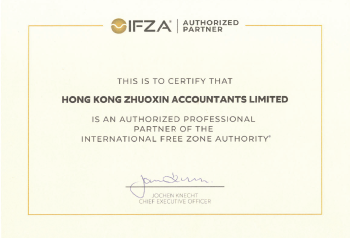
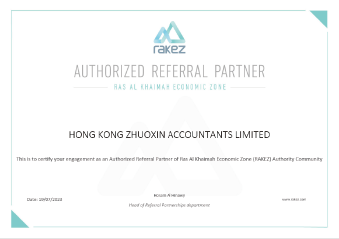
Advisory firms such as Zhuo Xin assist enterprises in structuring their compliance frameworks to align with both local regulations and international standards, ensuring that the Dubai free zone business setup remains in good standing with the relevant authorities.
Workforce and Employment Regulations
One of the practical advantages of a free zone entity is the ability to sponsor employee visas. Each free zone license includes a visa quota, which determines the number of residency visas that the company can sponsor. The quota is typically linked to the size of the physical workspace, with larger offices or warehouses permitting a higher headcount.
The UAE's labour law applies to free zone companies, governing employment contracts, working hours, leave entitlements, and termination procedures. While some free zones have established their own employment regulations, these generally mirror the federal framework. For B2B enterprises with multinational workforces, it is advisable to have employment contracts that clearly define terms and conditions, and to seek legal counsel on any specific provisions that may be unique to the free zone environment.
In addition to visa sponsorship, employers must register their employees with the relevant pension and social security authorities, depending on the employee's nationality. UAE nationals are covered by the pension scheme administered by the General Pension and Social Security Authority, while expatriate employees are typically covered by employer-provided benefits. These obligations add to the total cost of employment and should be factored into the financial model during the Dubai free zone business setup phase.
Common Challenges and Mitigation Strategies
While the free zone model offers considerable benefits, certain challenges regularly emerge during the setup and operational phases. Awareness of these issues enables enterprises to implement mitigation measures before they become critical.
Restricted mainland market access: Free zone companies are generally not permitted to conduct business directly with the UAE mainland market. However, this limitation can be addressed through the appointment of a commercial agent or distributor, or by operating through a mainland-registered entity for onshore activities. For B2B enterprises whose target customers include UAE government entities or local corporations, this is a material consideration.
Lease and space constraints: The requirement to maintain a physical presence within the zone means that lease payments are a fixed ongoing cost. Enterprises should negotiate lease terms carefully and consider subleasing arrangements where permitted by the zone authority. The cost of office space can vary significantly between zones, and a detailed comparison is recommended before committing to a specific location.
Bank account opening delays: The due diligence processes of banks can extend the account opening timeline. Proactive preparation of all required documentation—including board resolutions, shareholder registers, and business plans—can reduce these delays. Engaging a professional services firm that has existing relationships with local banks can also expedite the process.
Licensing compliance for multiple activities: If the enterprise intends to conduct a diversified range of activities, the license application must accurately reflect all intended operations. Undisclosed activities may result in penalties or the suspension of the license. A thorough activity mapping exercise prior to application is a prudent safeguard.
These challenges are not insurmountable, but they require careful planning and, where appropriate, the involvement of specialists who understand the nuances of each free zone. Organizations such as Zhuo Xin provide guidance on navigating these complexities, offering a structured approach to the Dubai free zone business setup process that accounts for both the immediate requirements and the long-term operational trajectory.
Frequently Asked Questions
What is the minimum capital requirement for a Dubai free zone company?
Most free zones do not prescribe a statutory minimum capital requirement. However, certain zones—particularly those in the financial services sector—may require a minimum share capital as a condition for licensing. For the majority of commercial and service licenses, the capital requirement is determined by the business plan and the nature of the activities to be conducted. Enterprises should verify the specific capital requirements of their chosen zone during the application phase.
Can a free zone company conduct business in the mainland UAE?
Direct engagement with the mainland market is restricted for free zone entities. However, there are legal pathways to access the mainland market, including the appointment of a registered commercial agent or the establishment of a separate mainland branch. Some free zones have introduced "dual licensing" schemes that permit limited onshore activity under specific conditions. The appropriate route depends on the nature of the goods or services and the customer base involved.
How long does the Dubai free zone business setup process typically take?
The timeline varies by free zone and by the complexity of the entity structure. For straightforward single-shareholder FZE setups with a standard commercial license, the process can be completed in approximately two to four weeks from the submission of all required documents. More complex structures, such as multi-shareholder FZCOs or those requiring specialized licenses, may extend to six weeks or longer. Delays in bank account opening can add additional time to the overall readiness schedule.
What are the ongoing compliance obligations after company formation?
Ongoing obligations include the annual renewal of the trade license, the submission of audited financial statements, the maintenance of an active lease agreement within the zone, and the timely renewal of employee visas. In addition, entities must comply with AML regulations, which require the designation of a compliance officer and the implementation of appropriate internal controls. Failure to meet these obligations can result in fines, license suspension, or, in severe cases, deregistration.
Can a free zone entity sponsor employee visas?
Yes, each free zone license includes a visa quota that determines the number of employees the company can sponsor. The quota is linked to the physical workspace and the license type. The visa application process is managed through the free zone authority, which coordinates with the General Directorate of Residency and Foreigners Affairs. Employees sponsored by the free zone company are granted residency visas that are renewable annually or biennially, depending on the visa category.
What is the difference between a free zone and a mainland company in Dubai?
The primary differences relate to ownership structure and market access. Mainland companies require a UAE national shareholder with at least 51% ownership, whereas free zone companies permit 100% foreign ownership. Mainland companies can conduct business directly within the UAE market without restrictions, while free zone companies face limitations on direct mainland engagement. The choice between the two structures depends on the entity's target market, its ownership preferences, and its long-term growth strategy.
Are there currency restrictions for free zone companies?
There are no currency restrictions in the UAE. Free zone companies can hold accounts in multiple currencies and transfer funds freely to and from the UAE, subject to standard banking procedures and AML compliance. The UAE dirham is pegged to the US dollar, providing a stable exchange environment that reduces currency risk for businesses operating across international markets.
For enterprises evaluating a Dubai free zone business setup, the decision process involves a detailed assessment of zone selection, legal structuring, licensing alignment, operational footprint, and compliance readiness. Each of these elements interacts with the others, and a misstep in any one area can have downstream effects on cost, timeline, or operational flexibility. A methodical approach—supported by a clear understanding of the regulatory landscape and the specific requirements of the chosen zone—provides the foundation for a successful entry into the Dubai market. Professional advisory services, including those offered by Zhuo Xin, can assist in navigating this framework, from initial structuring through to ongoing compliance management, ensuring that the enterprise remains focused on its core commercial objectives.
To discuss your specific requirements or to request a detailed assessment of your Dubai free zone business setup options, please direct your inquiry to our advisory team. We provide tailored guidance based on your industry, operational scale, and strategic priorities, helping you make informed decisions that align with your regional growth objectives.