 Time: 2026-07-20
 Author: Zhuoxin Enterprise
 Source: Zhuo Xin
 Views: 154
Dubai has transformed into one of the most sought-after locations for global entrepreneurs. The city offers modern infrastructure, political stability, and a business-friendly environment. Many foreign investors now look at business set up companies in dubai as a strategic move to access regional markets. This article covers seven critical factors you must evaluate before starting your venture. Whether you are a startup founder or an established corporation, these points will help you make a sound decision.
Why Dubai Remains a Top Destination for business set up companies in dubai
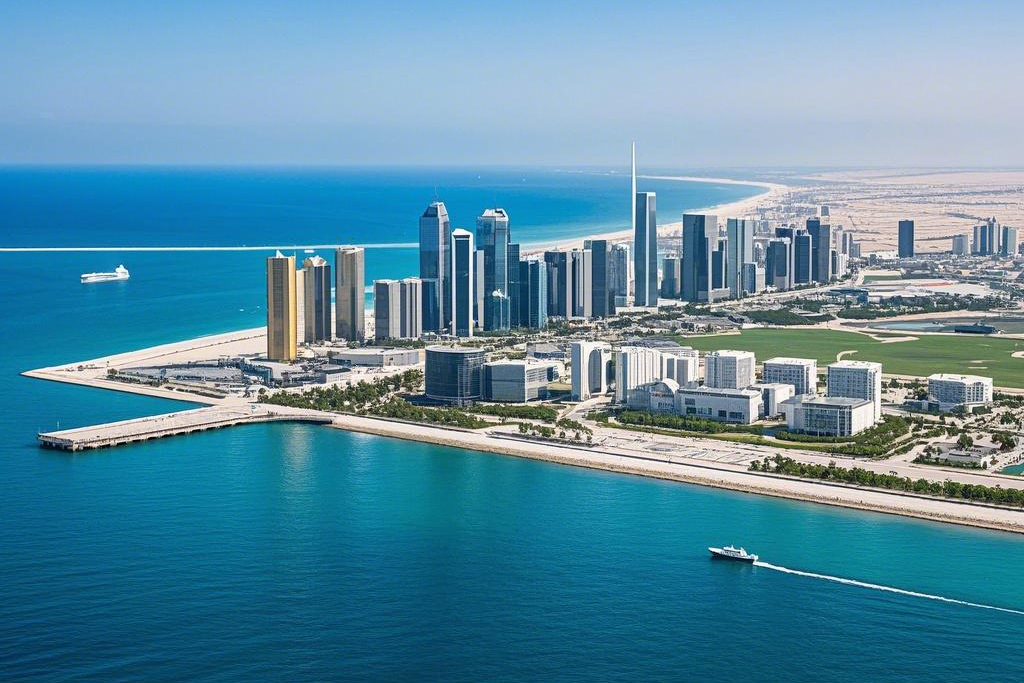
Dubai sits at the crossroads of Europe, Asia, and Africa. This location gives firms a natural advantage in logistics and trade. The government has actively reduced red tape to attract foreign capital. Over the past decade, the number of business set up companies in dubai has grown steadily across all sectors. The city now hosts over 200,000 international firms, and the numbers keep rising.
Several factors make Dubai stand out among global business hubs:
Political stability and low crime rates.
World-class airports and seaports.
Modern telecom and digital infrastructure.
Access to a young, skilled, and multilingual workforce.
These elements create a fertile ground for business set up companies in dubai to thrive. The government also offers long-term visas and property ownership rights to investors. Such policies encourage entrepreneurs to establish a permanent presence in the city.
Core Advantages of business set up companies in dubai
Before you commit capital, you need to understand what benefits you will receive. The advantages go beyond tax savings. They touch every aspect of your operations, from recruitment to logistics. Below are the primary reasons why business set up companies in dubai remains a top choice among global investors.
100% Foreign Ownership
In the past, foreign investors needed a local sponsor to hold 51% of the company. That rule has changed. Today, many sectors allow full foreign ownership. This reform has made business set up companies in dubai more attractive than ever before. You can now retain total control over your business strategy and profits.
This ownership structure also simplifies decision-making processes. You do not need to consult a local partner for routine matters. For entrepreneurs who value autonomy, this is a significant advantage.
Tax Environment
Dubai imposes no personal income tax and charges a low corporate tax rate of 9% on profits above a certain threshold. This tax regime is one of the most competitive in the world. For business set up companies in dubai, this translates to higher net margins and more reinvestment capacity.
Value-added tax (VAT) stands at a modest 5%, which is lower than most European countries. These tax policies allow firms to retain more earnings and scale faster. Many corporations choose Dubai specifically for this fiscal advantage.
Strategic Positioning
Dubai is a natural gateway to the Middle East, Africa, and South Asia. The city hosts one of the busiest airports in the world, with flights to over 200 destinations. This connectivity is vital for business set up companies in dubai that rely on international supply chains.
Moreover, Dubai's ports handle millions of containers each year. This logistical strength reduces shipping times and costs. Firms that set up in Dubai can reach markets like India, Saudi Arabia, and Egypt within a few hours.
Legal Pathways for business set up companies in dubai
Dubai offers three main legal structures for foreign investors. Each has its own set of rules, costs, and operational flexibilities. Choosing the right structure is a critical step in the setup process. The three options are mainland, free zone, and offshore companies.
Mainland Companies
Mainland companies operate within the local economy and can trade directly with the UAE market. They do not have geographical restrictions on where they can do business. For business set up companies in dubai targeting local consumers, this is often the preferred route.
Mainland firms require a physical office space and must register with the Department of Economic Development (DED). While the process involves more paperwork, the reward is unlimited market access across the entire country.
Free Zone Companies
Free zones are designated areas that offer 100% foreign ownership, full repatriation of profits, and simplified customs procedures. Over 30 free zones exist in Dubai, each catering to specific industries. Many business set up companies in dubai choose free zones because they provide fast-track licensing and ready-made office solutions.
However, free zone firms are generally restricted to operating within the zone or outside the UAE. If you plan to serve the local market directly, you may need to work through a local distributor. Still, for export-oriented businesses, free zones remain a top choice.
Offshore Companies
Offshore companies are registered in Dubai but cannot conduct business within the UAE. They are ideal for holding assets, managing intellectual property, or facilitating international transactions. For business set up companies in dubai that operate globally, offshore structures offer privacy and asset protection.
These entities are subject to minimal reporting requirements and enjoy lower setup costs. However, they require a registered agent and a local address. Offshore companies are not suitable for firms that need a physical presence in the UAE.
The Step-by-Step Process for business set up companies in dubai
The setup process can be completed in a few weeks if you have the right guidance. Below is a practical roadmap that most firms follow when establishing their presence in Dubai.
Step 1: Define your business activity. Every license is tied to a specific activity. You must choose one that aligns with your core operations. The Department of Economic Development maintains a list of over 2,000 permitted activities.
Step 2: Choose a legal structure. Decide between mainland, free zone, or offshore. This decision affects your ownership rights, tax obligations, and operational scope. Many business set up companies in dubai opt for free zones due to their simplicity.
Step 3: Reserve a trade name. Your trade name must comply with Dubai's naming conventions. It should not contain offensive words or religious references. The name must also be unique and available for registration.
Step 4: Apply for a license. Submit your application to the relevant authority. For mainland, it is the DED. For free zones, it is the respective free zone authority. You will need to provide passport copies, business plans, and proof of address.
Step 5: Secure office space. Most licenses require a physical office or a flexi-desk. Many business set up companies in dubai start with a shared workspace to reduce initial costs. Once operations grow, they move to larger premises.
Step 6: Open a corporate bank account. Dubai has a wide range of local and international banks. You will need to present your license, passport, and proof of address to open an account. This step can take 2-4 weeks, so plan accordingly.
Step 7: Obtain visas. Depending on your license, you can apply for investor visas for yourself and your employees. Each visa requires a medical examination and biometric registration. The process is straightforward but requires careful documentation.
Budgeting for Your business set up companies in dubai
Cost is a primary concern for most entrepreneurs. The total investment varies based on the legal structure, business activity, and office requirements. Below is a breakdown of typical expenses you will encounter.
License fees: Range from AED 10,000 to AED 50,000 depending on the activity and jurisdiction. Free zones often offer discounted packages for new firms.
Office rent: Flexi-desks start at AED 5,000 per year, while full offices can cost AED 30,000 or more annually. Location and size drive the final price.
Visa costs: Each visa costs approximately AED 3,000 to AED 5,000 including medical tests and insurance. Multiple visas will increase your initial budget.
Bank account fees: Most banks charge a one-time setup fee and a monthly maintenance fee. These range from AED 200 to AED 500 per month.
Professional fees: If you hire a consultant or law firm, expect to pay between AED 5,000 and AED 20,000 for end-to-end services.
Many business set up companies in dubai find that the total cost for a free zone setup ranges from AED 15,000 to AED 40,000. Mainland setups tend to be more expensive due to office space requirements and additional approvals. It is wise to prepare a detailed budget before starting the process.
Common Obstacles and How to Overcome Them
No business journey is without challenges. Dubai offers many advantages, but you may face hurdles along the way. Here are the most common issues that business set up companies in dubai encounter, along with practical solutions.
Challenge 1: Choosing the right jurisdiction. Many entrepreneurs struggle to decide between mainland and free zone. The key is to define your target market first. If you plan to serve local customers, go mainland. If you focus on exports, free zones work better.
Challenge 2: Understanding local regulations. The legal framework is complex and changes frequently. Working with a local consultant who understands the nuances can save you time and money. They can also help you avoid penalties for non-compliance.
Challenge 3: Finding reliable staff. While Dubai has a large talent pool, competition for skilled workers is intense. Offer competitive salaries, housing allowances, and health insurance to attract top talent. Many business set up companies in dubai also invest in training programs to upskill their teams.
Challenge 4: Managing cash flow. Initial costs can be higher than expected. Keep a reserve fund for at least six months of operating expenses. Also, negotiate payment terms with suppliers and clients to maintain a healthy cash flow.
Challenge 5: Cultural differences. Dubai is a multicultural city with a strong Islamic heritage. Understand local customs, prayer times, and holidays. Building relationships through face-to-face meetings is still highly valued in this market.
By anticipating these challenges, you can plan your setup more effectively. Many business set up companies in dubai have successfully navigated these obstacles and built profitable operations.

Final Thoughts on business set up companies in dubai
Dubai offers a unique combination of strategic location, tax efficiency, and modern infrastructure. The city has worked hard to create an ecosystem where foreign investors can flourish. Whether you are launching a tech startup or expanding a manufacturing firm, Dubai provides the tools you need to succeed.
However, success does not happen by accident. You need to choose the right legal structure, budget accurately, and comply with local regulations. Working with experienced advisors can streamline the entire process. For those who plan carefully, business set up companies in dubai can deliver outstanding returns over the long term.
As the global economy shifts toward the East, Dubai's role as a bridge between markets becomes more valuable. The city's leadership continues to invest in digital transformation and sustainable development. These efforts will further enhance the appeal of business set up companies in dubai for years to come.
Take the time to research your options and consult with experts. The opportunities are real, but so are the responsibilities. With the right approach, your venture in Dubai can achieve sustainable growth and profitability.
Frequently Asked Questions
Q1: What is the minimum capital required for business set up companies in dubai?
A1: The minimum capital varies by jurisdiction and activity. For most free zones, there is no minimum capital requirement. Mainland companies may require AED 150,000 to AED 300,000 for certain professional activities. Always check with the relevant authority for your specific case.
Q2: How long does it take to complete business set up companies in dubai?
A2: The timeline ranges from 2 to 6 weeks, depending on the complexity of your application. Free zone setups are usually faster, often completed within 2-3 weeks. Mainland setups may take longer due to additional approvals from various government departments.
Q3: Can I operate a free zone company anywhere in Dubai?
A3: Free zone companies are generally restricted to operating within the free zone or outside the UAE. If you wish to trade directly with the local market, you will need a mainland license or work through a local distributor. Some free zones allow limited local trade under specific conditions.
Q4: Do I need a local partner for business set up companies in dubai?
A4: Not anymore. Many sectors now allow 100% foreign ownership, both in mainland and free zones. However, certain strategic activities still require a local partner. Check the latest regulations from the Department of Economic Development to confirm your specific activity.
Q5: Are there ongoing compliance requirements after business set up companies in dubai?
A5: Yes. You must renew your license annually, maintain proper accounting records, and file VAT returns if applicable. You also need to keep your trade name and office address updated. Failure to comply can result in fines or license cancellation.
Q6: Can I hire employees from outside the UAE for my Dubai company?
A6: Yes, you can sponsor foreign employees under your company's visa quota. The number of visas depends on your office space and license type. You will need to provide employment contracts, health insurance, and accommodation allowances as per UAE labor law.
Q7: What are the main differences between a free zone and a mainland license?
A7: The main differences are ownership, market access, and office requirements. Free zones offer 100% ownership and fast setup but limit local market access. Mainland licenses allow full local trading but may require a local partner (in some activities) and physical office space.