 Time: 2026-06-08
 Author: Zhuoxin Enterprise
 Source: Zhuo Xin
 Views: 449
The United Arab Emirates continues to attract global entrepreneurs seeking tax-efficient business environments. Among the various jurisdictions, Ajman stands out as an exceptionally cost-effective destination for foreign investors. Choosing an ajman free zone business setup offers a practical gateway to the Middle Eastern market without requiring a massive initial capital outlay.
Established in 1988, the Ajman Free Zone (AFZ) has grown into a major industrial and commercial hub. It provides businesses with a strategic location, modern infrastructure, and a pro-business regulatory environment. This guide outlines the essential steps, costs, and requirements for establishing your business in this jurisdiction.
Whether you are a startup founder, an e-commerce merchant, or an industrialist, understanding this setup process is crucial. Let us explore how this free zone operates and how you can register your company efficiently.
What is an ajman free zone business setup?
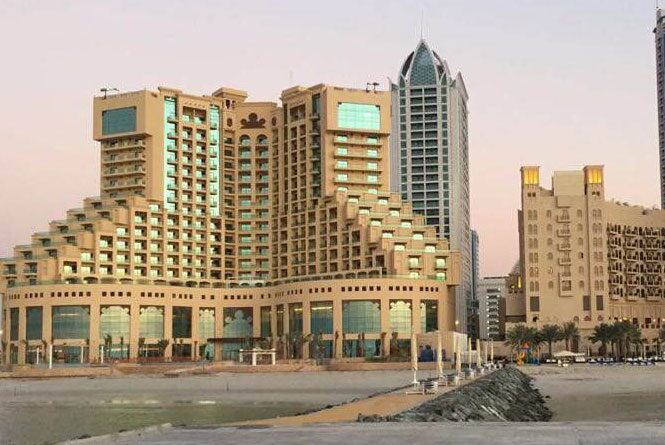
An free zone setup in Ajman refers to registering a company within the designated economic zone of the Emirate of Ajman. This jurisdiction operates under its own set of administrative regulations, separate from the UAE mainland. This separation allows for highly favorable business conditions for international trade and services.
The free zone is managed by the Ajman Free Zone Authority (AFZA). This authority acts as a single-window service provider for registration, licensing, visa processing, and office leasing. It simplifies the bureaucratic hurdles often associated with starting a business abroad.
Furthermore, AFZ caters to a wide range of business sectors. From small freelance setups to large-scale manufacturing plants, the infrastructure is designed to accommodate diverse business models. It is particularly popular among small and medium-sized enterprises (SMEs) due to its flexible leasing solutions.
Key Benefits of Setting Up Your Business in Ajman
Selecting the right jurisdiction is one of the most critical decisions for any business owner. Ajman Free Zone offers several competitive advantages that make it an attractive option compared to other regions in the UAE.
Here are the primary advantages of establishing your company in this free zone:
100% Foreign Ownership: Investors do not need a local UAE national partner to hold shares in the company. You maintain full control over your business operations and profits.
Complete Tax Exemption: Companies operate in a tax-free environment, enjoying 0% corporate and personal income taxes, which enhances overall profitability.
Full Repatriation of Capital and Profits: Business owners can transfer all profits and capital back to their home countries without any restrictions or withholding taxes.
Affordable Setup Costs: Ajman is widely recognized for having some of the most competitive licensing and registration fees in the region.
Strategic Location: Situated at the entrance of the Arabian Gulf, Ajman provides easy access to major marine ports and international airports in neighboring Dubai and Sharjah.
Flexible Office Solutions: Entrepreneurs can choose from virtual desks, executive offices, warehouses, or large land plots depending on their operational needs.
Types of Business Licenses Available in Ajman Free Zone
To operate legally, every business in the free zone must hold a valid license. The Ajman Free Zone Authority issues several types of licenses based on the nature of the business activities.
1. Commercial License
This license is designed for companies engaged in the import, export, distribution, and storage of specific goods. It allows you to trade up to three closely related product lines under a single license structure.
2. Service License
If your business provides professional services, consulting, IT solutions, or marketing, you will require a Service License. This option is popular among consultants and digital service providers who do not trade physical goods.
3. Industrial License
For businesses involved in manufacturing, processing, or packaging goods, the Industrial License is mandatory. AFZ provides dedicated warehouses and land plots specifically tailored to industrial operations.
4. E-commerce License
This license supports entrepreneurs looking to tap into the growing online retail market in the Middle East. It provides the legal framework to operate online stores and digital trading platforms.
5. Freelance Permit
Designed for individual professionals, the freelance permit allows skilled individuals to offer services under their own name. It is a highly cost-effective option for writers, designers, and developers.
Step-by-Step Process for ajman free zone business setup
Setting up a business in Ajman is generally straightforward, but it requires careful adherence to local regulations. Following a structured process helps prevent administrative delays and unnecessary costs.
Step 1: Define Your Business Activities
Before submitting any paperwork, you must clearly define the activities your company will perform. The free zone authority maintains a comprehensive list of approved activities, and your choice will dictate your license type.
Step 2: Choose a Legal Structure
You need to decide whether you will establish a Free Zone Establishment (FZE) with a single shareholder, a Free Zone Company (FZCO) with multiple shareholders, or a branch of an existing foreign company.
Step 3: Register Your Trade Name
You must submit three proposed trade names to the authority for approval. The name must comply with UAE guidelines, meaning it cannot contain offensive words, reference religious entities, or copy existing global brands.
Step 4: Select an Office Space
Your license must be linked to a physical or virtual space. For startups, a "Smart Office" or co-working space is often sufficient. Larger trading or manufacturing companies will need to lease physical offices or warehouses.
Step 5: Submit Documents and Pay Fees
Gather all required documentation, submit your application to AFZA, and settle the initial registration and licensing fees. The authority will review your application and conduct standard background checks.
Step 6: Receive License and Apply for Visas
Once approved, the authority will issue your trade license and corporate documents. With these in hand, you can initiate the residency visa application process for yourself, your family, and your employees.
Required Documentation for Company Registration
The documentation requirements in Ajman are simplified to facilitate quick setups. However, ensuring all files are correctly prepared and formatted is vital for a smooth approval process.
Typically, the following documents are required for individual shareholders:
A clear passport copy of each shareholder and director (with at least 6 months validity).
A high-quality passport-sized photograph with a white background.
A copy of the UAE tourist visa or entry stamp (if currently inside the country).
Proof of address from your home country (such as a utility bill or bank statement).
A brief business plan or company profile (sometimes required for specific activities).
If you are registering a branch of an existing corporate entity, you will need to provide board resolutions, a certificate of incorporation, and memorandum of association, all of which must be attested by the UAE Embassy in the originating country.
Understanding the Costs of ajman free zone business setup
One of the primary reasons investors choose Ajman is its budget-friendly fee structure. The overall cost of setup depends largely on the license type, the chosen office package, and the number of visas required.
For instance, a basic package utilizing a shared desk space (Smart Office) is highly economical. This package is ideal for service-based businesses that do not require physical storage space or large on-site staff.
If your operations require physical storage, the cost will increase to accommodate warehouse leasing. Additionally, there are government processing fees, visa application costs, medical tests, and Emirates ID fees to consider.
It is also wise to budget for corporate bank account opening assistance and local administrative support. While the initial setup fee is low, maintaining compliance with local regulations involves annual renewal costs that should be calculated in your business plan.
Opening a Corporate Bank Account in the UAE
Once you secure your trade license, the next essential step is opening a corporate bank account. This allows your business to receive payments, pay suppliers, and manage operating expenses locally and internationally.
UAE banks maintain strict compliance procedures to combat money laundering and tax evasion. Consequently, the account opening process requires thorough documentation and a clear presentation of your business model.
Banks will generally ask for your trade license, shareholder passport copies, proof of address, and corporate bank statements from your home country. Having a solid business plan and working with local consultants can help streamline this process.

Key Compliance Requirements After Setup
Operating a business in the UAE involves ongoing compliance with national regulations. Failing to meet these requirements can result in administrative fines or difficulties in renewing your business license.
Firstly, companies must renew their trade licenses annually. This process involves updating your lease agreement and paying the renewal fees to the Ajman Free Zone Authority.
Secondly, the UAE has implemented Corporate Tax regulations. Even free zone entities must register for corporate tax and file annual returns, even if they qualify for a 0% rate under specific conditions.
Additionally, businesses must assess whether they are subject to Value Added Tax (VAT). If your taxable turnover exceeds the mandatory threshold of AED 375,000, registering for VAT with the Federal Tax Authority is compulsory.
An ajman free zone business setup provides a practical, affordable, and compliant path for international business expansion. With its strategic geographic position and investor-friendly laws, it remains an excellent choice for startups and SMEs.
By understanding the licensing options, preparing your documentation carefully, and staying compliant with local tax regulations, you can build a stable business foundation. Working with experienced setup professionals can help you navigate the process smoothly and avoid common administrative pitfalls.
Frequently Asked Questions (FAQ)
Q1: Can I live in Dubai if my company is registered in Ajman Free Zone?
A1: Yes, you can reside anywhere in the UAE, including Dubai, even if your company license is issued by the Ajman Free Zone Authority. The residency visa issued through Ajman allows you to rent property and live across any of the emirates.
Q2: How long does it take to get a trade license in Ajman Free Zone?
A2: The process is relatively quick. Once all the required documents are submitted and the fees are paid, the trade license is typically issued within 2 to 3 business days.
Q3: Is it mandatory to rent a physical office in Ajman?
A3: No, it is not mandatory. Ajman Free Zone offers "Smart Office" packages, which provide a virtual or shared desk space. This option is fully compliant and qualifies your business for a trade license and residency visas.
Q4: Do I need a local UAE sponsor to start a business in Ajman Free Zone?
A4: No, you do not need a local sponsor. You can maintain 100% foreign ownership of your business setup in the free zone, regardless of your nationality.
Q5: Can an Ajman Free Zone company trade directly with the mainland UAE market?
A5: Free zone companies can trade globally and with other free zones. However, to trade directly with the mainland UAE market, you must either work through a registered local distributor or establish a mainland branch of your company.