 Time: 2026-06-30
 Author: Zhuoxin Enterprise
 Source: Zhuo Xin
 Views: 256
Starting a business in the United Arab Emirates has become a strategic move for entrepreneurs worldwide. The region offers a dynamic economy, world-class infrastructure, and a business-friendly environment. If you are considering expanding your operations or launching a new venture, company formation in uae provides a pathway to growth, tax efficiency, and access to emerging markets. This article breaks down the essential steps, legal structures, costs, and practical advice to help you navigate the process with confidence.

Understanding the Basics of Company Formation in UAE
Before diving into the specifics, it is important to grasp the foundational elements. The UAE is a federation of seven emirates, each with its own regulatory framework. However, federal laws govern key aspects such as commercial registration, labor, and immigration.
Foreign investors have three main routes: mainland, free zone, or offshore. Each option offers distinct advantages depending on your business model, target market, and ownership preferences.
Recent regulatory changes have made company formation in uae more accessible than ever. For instance, the 2021 Commercial Companies Law allows 100% foreign ownership in many mainland activities, removing the need for a local sponsor.
Key Benefits of Company Formation in UAE
Entrepreneurs choose the UAE for several compelling reasons. The country offers a strategic location between East and West, serving as a gateway to markets in Asia, Europe, and Africa.
- Tax advantages: Zero corporate income tax for most sectors, no personal income tax, and low customs duties.
- World-class infrastructure: Modern ports, airports, logistics hubs, and digital connectivity.
- Business-friendly regulations: Simplified licensing, fast-track approvals, and transparent legal frameworks.
- Access to talent: A diverse, skilled workforce from over 200 nationalities.
- Quality of life: Safety, luxury amenities, and international schools and hospitals.
These benefits collectively make company formation in uae an attractive proposition for startups, SMEs, and multinational corporations alike.
Types of Business Entities for Company Formation in UAE
Choosing the right legal structure is one of the most critical decisions. Here is a breakdown of the primary options available.
Mainland Companies
A mainland company operates within the local market and can trade directly with other UAE businesses. It is regulated by the Department of Economic Development (DED) in each emirate.
Mainland entities are ideal for businesses targeting the local economy, such as retail, hospitality, construction, and services. With the new reforms, foreign investors can own 100% of their mainland firm in most sectors.
However, certain regulated activities (e.g., banking, insurance) still require a UAE national partner with a minority stake. Professional licenses (e.g., legal, medical) may also have specific ownership rules.
Free Zone Companies
Free zones are designated areas that offer special incentives to attract foreign investment. Each free zone has its own authority, rules, and focus industries.
Key features include:
- 100% foreign ownership.
- Full repatriation of capital and profits.
- Exemption from customs duties on imports and exports.
- Streamlined visa and immigration procedures.
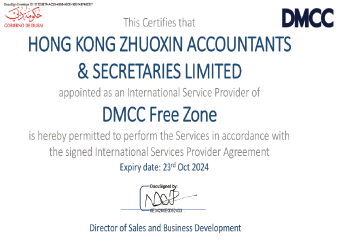
Popular free zones include Dubai Multi Commodities Centre (DMCC), Jebel Ali Free Zone (JAFZA), and Abu Dhabi Global Market (ADGM). Free zone companies are best suited for trading, logistics, consulting, and technology firms that operate internationally or serve regional clients.
One limitation: free zone entities generally cannot conduct business directly in the UAE mainland without a local distributor or agent.
Offshore Companies
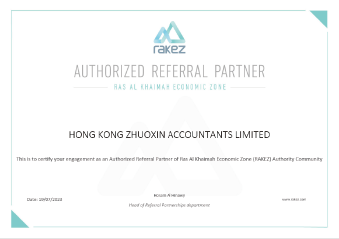
Offshore companies are registered in special jurisdictions like the Jebel Ali Free Zone (JAFZA Offshore) or Ras Al Khaimah (RAK) Offshore. These are used primarily for asset holding, investment, and international trading.
Offshore entities cannot operate within the UAE market but offer privacy, tax efficiency, and ease of administration. They are not required to have a physical office in the UAE, making them a cost-effective option for holding companies and special purpose vehicles.
Step-by-Step Process for Company Formation in UAE
While the exact steps vary depending on the jurisdiction and business activity, the following framework covers the typical journey.
Step 1: Define your business activity and structure. Identify the specific activities you will engage in, as this determines the license type and regulatory requirements. Consult the DED or free zone authority for the approved activity list.
Step 2: Choose a company name. Select a unique name that complies with UAE naming conventions. Avoid blasphemous or offensive terms, and ensure the name reflects the legal form (e.g., LLC, FZCO).
Step 3: Apply for initial approval. Submit the necessary documents to the relevant authority for preliminary approval. This step confirms that you are eligible to proceed with the registration.
Step 4: Draft the Memorandum of Association (MOA). The MOA outlines the companys structure, ownership, capital, and governance. For mainland companies, this document must be notarized.
Step 5: Secure a physical office or flexi-desk. Most jurisdictions require a physical address. Free zones often offer flexi-desk solutions that are affordable and compliant.
Step 6: Obtain the trade license. Pay the applicable fees and submit all documents to receive your license. This is the final step in the registration process.
Step 7: Open a corporate bank account. With your trade license and MOA, you can open a business bank account in the UAE. Many banks offer specialized packages for new businesses.
Throughout these steps, working with a professional service provider can save time and reduce errors. They can handle paperwork, liaise with authorities, and offer strategic advice.
Costs and Considerations for Company Formation in UAE
The total cost of company formation in uae depends on several variables: jurisdiction, business activity, office space, and visa requirements.
Here is a rough breakdown of typical expenses:
- License fees: AED 10,000 – 50,000+ per year depending on the activity and emirate.
- Office rent: Flexi-desk from AED 3,000 – 10,000/year; physical offices vary widely.
- Visa costs: AED 3,000 – 5,000 per visa including medical, ID, and stamping.
- Registration and approval fees: AED 2,000 – 10,000.
- Professional fees: AED 5,000 – 20,000 for consultancy and legal support.
It is essential to budget for renewal fees, which are due annually. Also, factor in costs for corporate bank account maintenance, auditing, and insurance.
While free zones often advertise lower setup costs, they may have higher renewal fees or mandatory service charges. Compare total cost of ownership rather than just initial outlay.
Legal Requirements for Company Formation in UAE
Compliance is non-negotiable. The UAE has a robust legal framework that protects investors, employees, and consumers. Here are the key legal obligations:
- Trade license renewal: Must be renewed annually before the expiry date to avoid penalties.
- Visa quotas: Each company is allocated a certain number of visas based on office size and activity.
- Labor law compliance: Adhere to the UAE Labour Law regarding contracts, working hours, leave, and termination.
- Tax registration: While corporate tax is low, businesses must register for VAT if turnover exceeds AED 375,000 per year.
- Anti-money laundering (AML): Implement AML policies and report suspicious transactions to the Financial Intelligence Unit.
Failure to comply with these requirements can result in fines, visa cancellations, or even business suspension. Regular internal audits and legal reviews are recommended.

Common Challenges and How to Overcome Them
Even with careful planning, you may encounter obstacles. Here are some frequent issues and practical solutions.
Challenge 1: Choosing the right jurisdiction. Many entrepreneurs struggle to decide between mainland and free zone. Solution: Clearly define your target market. If you plan to serve local customers, mainland is preferable. For export or regional operations, a free zone may be more suitable.
Challenge 2: Understanding local regulations. The legal landscape can be complex. Solution: Hire a local consultant or legal advisor who specializes in company formation in uae. They can provide tailored guidance.
Challenge 3: Bank account opening. Many businesses face delays or rejections when opening a corporate account. Solution: Prepare comprehensive documentation, including a clear business plan, and approach banks that have a history of working with new businesses.
Challenge 4: Visa processing times. Visa applications can take weeks if not properly prepared. Solution: Use the e-channel services or work with a PRO (Public Relations Officer) to expedite the process.
Challenge 5: Cultural differences. Doing business in the UAE requires understanding local customs and etiquette. Solution: Invest time in cultural training and building relationships with local partners.
Why Choose Professional Support for Company Formation in UAE
Given the complexities, many entrepreneurs opt for professional assistance. A reputable business setup firm can offer end-to-end support, from initial consultation to post-licensing compliance.
They help you:
- Select the optimal jurisdiction and license type.
- Prepare and submit all required documents accurately.
- Navigate government portals and approvals.
- Secure office space and visa quotas.
- Open a corporate bank account efficiently.
Professional firms also stay updated on regulatory changes, ensuring that your business remains compliant. This peace of mind allows you to focus on operations and growth.
When choosing a partner, verify their credentials, client reviews, and transparency in pricing. A reliable firm will offer a clear roadmap and no hidden fees.
Final Thoughts on Company Formation in UAE
The UAE continues to be a magnet for global investors, thanks to its progressive policies, economic stability, and strategic vision. Whether you are a startup founder or an established enterprise, company formation in uae offers a solid foundation for long-term success.
Take the time to research, plan, and seek expert advice. With the right approach, you can navigate the process smoothly and join the thriving business community in this dynamic region.
The opportunities are vast, and the infrastructure is ready. Now is the time to make your move and establish your presence in one of the worlds most promising markets.
Frequently Asked Questions About Company Formation in UAE
Q1: What is the minimum capital required for company formation in UAE?
A1: The minimum capital varies by jurisdiction and business activity. For mainland LLCs, the minimum share capital is typically AED 150,000, but it can be lower for certain activities. Free zones often have no minimum capital requirement, but some may require a specific amount based on the license type. It is best to check with the relevant authority or your consultant.
Q2: Can a foreigner own 100% of a company in the UAE?
A2: Yes, under the new Commercial Companies Law, foreign investors can own 100% of mainland companies in most sectors. However, certain strategic and regulated activities may still require a local partner. Free zones and offshore jurisdictions also allow full foreign ownership.
Q3: How long does the company formation process take in the UAE?
A3: The timeline depends on the jurisdiction and the completeness of your documents. On average, the process takes 2 to 4 weeks for a free zone company and 4 to 6 weeks for a mainland company. Delays can occur if there are issues with name approval, document notarization, or bank account opening.
Q4: What are the ongoing compliance requirements after company formation?
A4: Ongoing requirements include annual trade license renewal, visa renewals, maintaining a physical office, filing VAT returns (if applicable), and submitting financial statements for audit (for certain entities). Free zone companies may also need to submit annual reports to their respective authorities.
Q5: Is it necessary to have a physical office for company formation in UAE?
A5: Yes, most jurisdictions require a physical office address. However, free zones offer flexi-desk or shared office options that are more affordable and meet the regulatory requirement. Mainland companies must have a dedicated office space that complies with local municipality standards.
Q6: Can I sponsor my family members after company formation in UAE?
A6: Yes, once you obtain your investor or partner visa, you can sponsor your immediate family members (spouse, children, and in some cases, parents). The number of dependents you can sponsor depends on your income and the size of your accommodation, as per immigration rules.
Q7: What is the difference between a free zone and mainland company in the UAE?
A7: The main differences are ownership, market access, and operational flexibility. Free zone companies offer 100% foreign ownership and tax exemptions but are restricted from trading directly in the UAE mainland without a local agent. Mainland companies can operate freely in the local market and may now also offer full foreign ownership in many sectors, but they are subject to more regulatory oversight and potentially higher costs.