 Time: 2026-06-29
 Author: Zhuoxin Enterprise
 Source: Zhuo Xin
 Views: 298
Starting a business in the UAE has become a strategic move for entrepreneurs worldwide. Company formation in Dubai offers access to a dynamic market, world-class infrastructure, and a tax-friendly environment. Whether you are a first-time founder or an established investor, understanding the local regulations and processes is essential for a smooth setup.
Dubai’s economy is diverse, spanning trade, technology, logistics, and professional services. The government has introduced multiple reforms to make company formation in Dubai more accessible to foreign investors. However, the path involves several decisions—from choosing a jurisdiction to securing licenses and visas.
This guide outlines the critical steps, costs, and common pitfalls. You will learn how to navigate the system efficiently, avoid delays, and position your business for long-term growth.
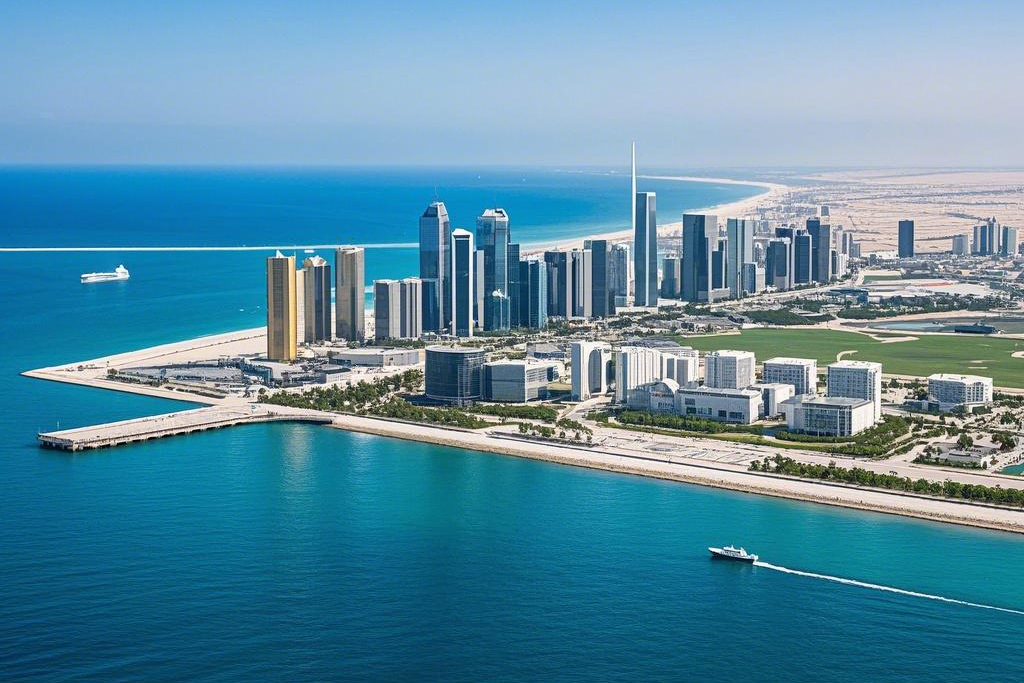
Understanding the Legal Framework for Company Formation in Dubai
Dubai offers three primary business jurisdictions: mainland, free zone, and offshore. Each has distinct rules regarding ownership, activity scope, and physical presence. Company formation in Dubai begins with selecting the right legal structure for your specific needs.
Mainland vs. Free Zone: Which One Suits You?
Mainland companies allow you to trade directly within the local UAE market. They require a local service agent or partner in certain activities, though recent reforms now permit 100% foreign ownership in many sectors.
Free zones are designated economic areas that offer 100% ownership, customs exemptions, and simplified repatriation of profits. Each free zone targets specific industries—such as media, technology, or logistics.
- Mainland: Ideal for businesses targeting local consumers or government contracts.
- Free Zone: Best for export-oriented firms or startups seeking fast setup.
- Offshore: Suitable for holding assets, international trading, and privacy.
Your choice impacts visa quotas, office space requirements, and ongoing compliance. Many entrepreneurs opt for a free zone initially, then expand to mainland as their operations grow.
Offshore Company Options
Offshore entities are registered in designated jurisdictions like JAFZA or RAK ICC. They cannot operate within the UAE but are excellent for global business activities, asset protection, and estate planning.
Offshore company formation in Dubai typically involves fewer physical presence requirements. However, you still need a registered agent and must comply with anti-money laundering regulations.
The Step-by-Step Process of Company Formation in Dubai
While timelines vary, most setups take between two to four weeks. Below is a structured approach to company formation in Dubai that minimizes surprises.
Step 1: Define Your Business Activity
All licenses are activity-based. The Department of Economic Development (DED) or the respective free zone authority maintains a list of permissible activities. Choose a primary activity and up to two secondary ones.
Common categories include commercial, professional, industrial, and tourism. Some activities require prior approval from external regulators—for example, healthcare or financial services.
Step 2: Select the Right Jurisdiction
This decision affects your ownership structure, office lease, and renewal fees. Compare free zones by location, cost, and available facilities. Mainland requires a physical office within Dubai, while many free zones allow flexi-desks.
- Consider your target market—local or international.
- Evaluate visa allocation per company size.
- Check if the zone supports your specific industry cluster.
Step 3: Reserve Your Trade Name
Your trade name must comply with UAE naming conventions. Avoid religious or offensive terms. The name should reflect the business activity and be distinct from existing registrations.
Reservation is done online through the DED or the free zone portal. This step is usually completed within one working day.
Step 4: Prepare and Submit Documents
Typical documents include passport copies, visa copies, proof of address, and a business plan. For mainland, you may need a local service agreement. Free zones often require a shareholder resolution.
All documents must be notarized and translated into Arabic if requested. Many service providers offer document preparation as part of their company formation in Dubai packages.
Step 5: Obtain Initial Approval
The regulatory authority reviews your application to ensure compliance with local laws. This stage confirms that your proposed activity is permissible and that no objections exist from government entities.
Initial approval is valid for a limited period—usually 30 to 60 days. You must complete the remaining steps within this window to avoid reapplication fees.
Step 6: Sign the Legal Documents
You will sign the Memorandum of Association (MOA) or the Local Service Agent agreement. For free zones, this may be a standard incorporation contract. These documents outline share distribution, management roles, and dispute resolution.
Some free zones offer digital signing to expedite the process. Ensure you understand all clauses before signing.
Step 7: License Issuance and Visa Processing
After submitting the final documents and paying the fees, the authority issues your business license. You can then apply for employee and investor visas. Medical fitness tests and Emirates ID registration follow.
Visa quotas depend on office space—each desk or office unit supports a certain number of visas. Plan ahead to accommodate your team’s growth.
Costs and Timeline for Company Formation in Dubai
Total costs range from AED 15,000 to over AED 50,000, depending on jurisdiction, license type, and office space. Free zones generally offer more affordable packages for small businesses.
- License fee: AED 5,000 – AED 30,000 (annual).
- Office rent: AED 10,000 – AED 100,000+ per year.
- Visa processing: AED 3,000 – AED 7,000 per person.
- Sponsorship fees (mainland): AED 5,000 – AED 15,000 annually.
Timeline averages 3–5 weeks for a standard free zone setup. Mainland can take longer if external approvals are required. Rushing the process often leads to errors, so allocate sufficient time for each phase.
Many entrepreneurs underestimate the importance of bank account opening, which can take an additional 2–4 weeks. Choose a bank that supports your business type and has a digital onboarding process.
Common Mistakes to Avoid During Company Formation in Dubai
Even experienced investors make errors that delay their launch. Here are the most frequent pitfalls and how to steer clear of them.
Mistake #1: Choosing the Wrong Activity
Your license activity dictates what you can legally do. If you later expand into a different area, you will need to amend the license—which costs time and money. Be specific and include realistic secondary activities.
Mistake #2: Underestimating Compliance Requirements
Annual audits, renewal fees, and economic substance filings are mandatory. Some free zones require annual financial statements. Ignoring these obligations can lead to fines or license suspension.
Mistake #3: Delaying Bank Account Setup
Banking regulations have tightened globally. Many banks require a physical presence in Dubai, a detailed business plan, and proof of funds. Start the bank application immediately after receiving your license.
- Prepare a clear company profile.
- Show consistent cash flow projections.
- Expect a thorough due diligence process.
Mistake #4: Overlooking Local Sponsorship Nuances
For mainland businesses, the local sponsor (or service agent) is not a shareholder but has certain rights. Draft a clear agreement that defines roles, fees, and exit clauses to avoid future disputes.
Mistake #5: Ignoring Post-Formation Obligations
After company formation in Dubai, you must maintain proper records, file annual returns, and renew your license on time. Set up reminders or hire a PRO (Public Relations Officer) to handle government interactions.

Post-Formation Requirements: Staying Compliant
Once your business is operational, ongoing obligations ensure you remain in good standing. These include license renewal, visa renewals, and maintaining a physical address.
Free zones typically require annual renewal within 30 days of expiration. Late renewals incur penalties. Mainland companies must also pay municipality fees and submit financial statements to the DED.
Employment regulations are another key area. You need to provide health insurance, employment contracts, and labour cards for all staff. Failure to comply can result in work bans or fines.
Value Added Tax (VAT) registration is mandatory if your turnover exceeds AED 375,000 per year. Even below this threshold, voluntary registration is possible and can be beneficial for reclaiming input tax.
Regular audits, while not always mandatory for all structures, are recommended. They help detect issues early and build credibility with banks and investors.
Benefits of Professional Support for Company Formation in Dubai
While it is possible to handle the process independently, professional service providers bring experience and local connections. They help you avoid hidden fees, select the optimal jurisdiction, and accelerate approvals.
A good consultant will also assist with bank introductions, visa processing, and ongoing compliance. This allows you to focus on your core business rather than administrative hurdles.
For many entrepreneurs, the peace of mind that comes with expert guidance is worth the additional cost. When you plan company formation in Dubai, consider partnering with a firm that has a proven track record and transparent pricing.
Ultimately, Dubai remains one of the worlds most business-friendly cities. With the right preparation and support, you can establish a thriving enterprise that benefits from the citys strategic location, advanced infrastructure, and forward-looking policies.
Frequently Asked Questions
Q1: Can a foreigner own 100% of a company in Dubai?
A1: Yes, in most free zones and for many mainland activities following the 2021 reforms. However, some strategic sectors still require UAE majority ownership. Always confirm with the relevant authority before proceeding.
Q2: How long does the company formation process take?
A2: On average, 2–4 weeks for a free zone and 4–6 weeks for mainland. Timelines vary based on activity type, document readiness, and external approvals. Bank account opening adds another 2–4 weeks.
Q3: What is the minimum capital requirement for company formation in Dubai?
A3: There is no uniform minimum. Free zones often require no paid-up capital, while mainland may require capital depending on the activity. Some activities like insurance or banking have higher capital thresholds.
Q4: Is it mandatory to have a physical office?
A4: Yes, for mainland companies. Free zones offer flexi-desk or virtual office options, but you must have a registered address within the zone. Some offshore setups can operate without a physical office.
Q5: What are the ongoing costs after company formation?
A5: Annual renewal fees (license, visa), office rent, audit fees (if applicable), VAT filings, and employee benefits. Budget approximately 10–20% of your initial setup cost for yearly compliance.
Q6: Can I change my business activity later?
A6: Yes, but you must apply for an amendment to your license. The process involves fees and may require new approvals. It is more cost-effective to include multiple relevant activities from the start.
Q7: Do I need a local bank account for my Dubai company?
A7: While not strictly mandatory for offshore entities, a local bank account is highly recommended for mainland and free zone companies. It simplifies transactions, payroll, and tax compliance.