 Time: 2026-08-14
 Author: Zhuoxin Enterprise
 Source: Zhuo Xin
 Views: 545
Business owners looking for tax efficiency and asset protection often consider an offshore company setup in Dubai. The city provides a stable legal framework and 0% corporate tax for qualifying entities. Many entrepreneurs find the process straightforward compared to other jurisdictions.
Dubai’s offshore registries, such as JAFZA Offshore and RAK ICC, allow 100% foreign ownership. You do not need a physical office space inside the UAE. This flexibility makes it a top choice for international trade and holding structures.
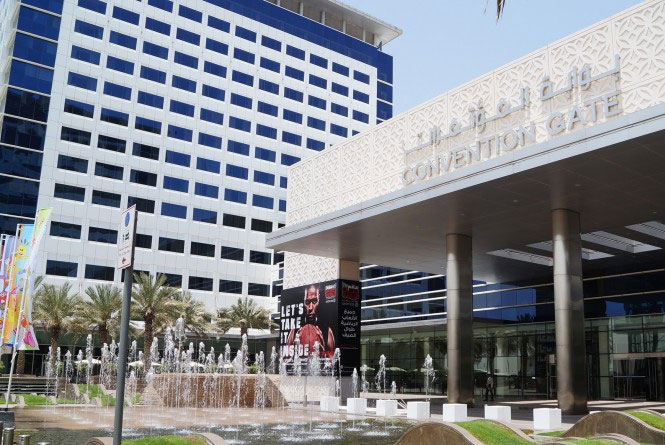
Key Benefits of offshore company setup in Dubai
Choosing Dubai for your offshore entity brings several practical advantages. The following points highlight the most important benefits for global entrepreneurs.
Zero corporate and personal income tax for 50+ years (renewable).
Full repatriation of capital and profits.
No currency restrictions – free movement of funds.
Confidentiality of shareholder and director details.
Access to double tax treaties with over 100 countries.
Additionally, an offshore company can own real estate in designated freehold areas. This includes properties in Palm Jumeirah, Dubai Marina, and Downtown. Many investors use this structure to hold assets privately.
Compared to onshore or free zone companies, the offshore setup has lower annual renewal fees. It also requires fewer compliance filings. This reduces administrative burdens for small to medium-sized businesses.
Asset Protection and Estate Planning
One common reason for offshore company setup in Dubai is to separate personal assets from business liabilities. The legal system respects corporate veil provisions. Creditors cannot easily seize assets held by the offshore entity.
Family-owned enterprises use offshore companies to manage inheritance. Shares can be transferred without probate delays. This ensures smooth succession across generations.
Legal Framework and Regulatory Bodies
Dubai has two main authorities for offshore registrations: the RAK International Corporate Centre (RAK ICC) and the Jebel Ali Free Zone Offshore Registry. Each operates under its own regulations but both follow UAE civil law.
RAK ICC is the most popular choice for offshore company setup in Dubai due to its modern digital platform. It allows online application and document submission. The process takes 5–10 working days on average.
JAFZA Offshore is ideal for companies linked to logistics and trading. It provides stronger links to the Jebel Ali Port facilities. However, it requires a local registered agent.
Permitted Business Activities
Offshore companies in Dubai cannot conduct business directly with UAE residents. They are restricted to:
International trade and B2B services outside the UAE.
Holding shares in other corporate entities.
Owning intellectual property and royalties.
Managing investment portfolios.
Providing consultancy to foreign clients.
It is prohibited to operate a physical retail shop, bank accounts for UAE residents, or engage in regulated financial services without special approval. Violating these rules can lead to fines or deregistration.
Step-by-Step Process for offshore company setup in Dubai
The procedure is simpler than many think. Most steps can be completed remotely without visiting Dubai. Here is a clear breakdown.
Step 1: Choose your jurisdiction
Decide between RAK ICC,
JAFZA Offshore, or Ajman Offshore. RAK ICC is recommended for first-timers due
to lower costs and faster processing.
Step 2: Select a registered agent
You must appoint a
UAE-based registered agent. They will verify your documents and submit the
application. Many corporate service providers offer this service.
Step 3: Reserve a company name
The name must comply with
UAE naming conventions. Avoid religious terms or abbreviations that are
offensive. Submit three options in case of rejection.
Step 4: Prepare the memorandum and articles
Your
registered agent will draft the constitutional documents. These define share
capital, activities, and shareholder rights. Standard templates are usually
sufficient.
Step 5: Submit KYC documents
Provide passport copies,
proof of address, and a bank reference letter for each shareholder and director.
Some registries require notarization or apostille.
Step 6: Pay government fees
Fees range from $2,000 to
$5,000 depending on the jurisdiction and share capital. This includes the
registration certificate and one year of renewal.
Step 7: Receive incorporation certificate
Once approved,
you get a digital certificate of incorporation. This allows you to open
corporate bank accounts and sign contracts.
Timeline and Common Delays
Most offshore company setup in Dubai completes within 10 to 15 business days. Delays occur if name reservations are rejected or if due diligence flags unusual ownership structures. Using an experienced agent reduces these risks.
Expedited services are available for an extra fee. Some agents promise 3-day registration but this is rare without all documents ready. Plan accordingly.
Banking and Financial Considerations
After incorporation, you will need a bank account. Offshore companies can open accounts in Dubai or abroad. Several international banks accept Dubai offshore entities.
Popular options include Emirates NBD, Mashreq Bank, and ADCB. Remote account opening is possible but requires video verification. Minimum deposits vary from $5,000 to $25,000.
Alternative payment solutions like Wise or Payoneer are also available. However, these may not support all currencies or high transaction volumes. A traditional corporate account is safer for large transfers.
Tax Residency and Reporting
Dubai offshore companies are not considered UAE tax residents unless they have a physical presence. This means no corporate tax filings inside the UAE. However, you must comply with your home country’s tax laws.
CRS (Common Reporting Standard) applies to UAE banks. They will share account information with your country of tax residence. Always declare your offshore structure to avoid penalties.

Costs and Annual Maintenance
The initial cost for offshore company setup in Dubai starts around $3,000 USD. This includes government fees, agent service, and the certificate. Additional charges apply for bank account assistance or virtual office services.
Annual renewal fees are approximately $2,000 to $3,500. This covers the government license and registered agent fees. You must also maintain a minimum share capital (often $1,000 but not required to be paid up).
Other recurring costs include:
Audit and accounting (optional but recommended for larger firms).
Renewal of the registered agent agreement.
PO box rental if required for certain transactions.
Compared to Hong Kong or Singapore, Dubai offers lower setup and maintenance fees. There is also no requirement to hire a local director or secretary.
Potential Challenges and How to Overcome Them
No solution is perfect. Some business owners face difficulties opening bank accounts due to enhanced due diligence. Banks may request a physical office lease, which offshore companies do not have.
Solution: Use a virtual office service or coworking membership. This provides a physical address without long-term commitment. Some registered agents offer this as a package.
Another challenge is the restriction on local trading. You cannot invoice a Dubai-based client directly. To solve this, combine an offshore entity with a free zone company for local operations.
Finally, changing regulations on beneficial ownership disclosure. Since 2020, UAE requires offshore companies to declare ultimate beneficiaries. Work with a compliance expert to stay updated.
Comparing Dubai Offshore to Other Jurisdictions
When evaluating offshore company setup in Dubai, compare it to the Seychelles, BVI, or Delaware. Dubai offers better banking integration and political stability. The Seychelles is cheaper but has weaker reputation.
BVI companies face EU blacklist pressure, while Dubai maintains white list status. This makes international transactions smoother. Delaware LLCs are good for US markets but lack the tax-free holding benefits of Dubai.
For companies trading with Africa, Middle East, or South Asia, Dubai is strategically located. Time zone overlaps with both London and Shanghai. This facilitates global meetings and logistics.
Conclusion and Final Recommendations
To summarize, offshore company setup in Dubai provides a tax-efficient, confidential, and flexible structure for international business. It is particularly suitable for holding assets, intellectual property, and conducting B2B services outside the UAE.
Always engage a reputable registered agent with transparent fees. Avoid agents who promise “100% anonymous” structures – this no longer exists under modern compliance rules. Verify their track record and client reviews.
Before proceeding, consult your tax advisor in your home country. An offshore structure must not be used for illegal tax evasion. When used correctly, it is a powerful tool for global expansion and wealth preservation.
Frequently Asked Questions (FAQs)
Q1: Can I live in Dubai while running an offshore
company?
A1: Yes, but the offshore company itself does not grant a
residence visa. You would need to sponsor your own visa through a separate free
zone company or a local partner. Many entrepreneurs combine an offshore firm
with a freelance or investor visa.
Q2: What is the minimum share capital for offshore company setup in
Dubai?
A2: Most registries require a minimum of $1,000 USD or
equivalent. However, this amount does not need to be paid up front. You can
declare it as authorized capital. No bank deposit is required for
verification.
Q3: Can an offshore company own real estate in Dubai?
A3:
Yes, but only in designated freehold areas such as Dubai Marina, Palm Jumeirah,
and Downtown. The property title will be held under the company name. You must
appoint a local property management firm for compliance.
Q4: How long does it take to open a bank account for an offshore
company?
A4: Between 2 to 6 weeks, depending on the bank’s due
diligence. Remote account opening is possible but slower. Having a physical
visit to Dubai speeds up the process. Prepare detailed business plans and
invoices to prove substance.
Q5: Is an audit mandatory every year?
A5: No, for most
offshore companies, audit is not required unless the bank asks for it or you
exceed a certain transaction volume (usually above $1 million annually).
However, keeping proper accounting records is still recommended for internal
control.
Q6: Can I convert my offshore company to a free zone company
later?
A6: Yes, but it requires a new registration and dissolving
the offshore entity. You cannot simply “convert” the license. The process
involves closing the offshore company and incorporating a new free zone firm.
Consult a lawyer for a step-by-step plan.
Q7: What documents need to be notarized for offshore company setup in
Dubai?
A7: Typically, passport copies and proof of address must
be certified by a notary or embassy. Some jurisdictions accept online
verification via video call. RAK ICC is more flexible and often waives
notarization for standard individuals.