 Time: 2026-08-14
 Author: Zhuoxin Enterprise
 Source: Zhuo Xin
 Views: 712
The decision to register company in Dubai is a powerful step towards accessing one of the worlds most dynamic markets. Dubai serves as a global gateway, connecting East and West with its unparalleled infrastructure, strategic location, and pro-business environment. Entrepreneurs and corporations alike are drawn to its promise of growth and stability.
Understanding the process to register company in Dubai is crucial for a smooth entry. The UAE offers various pathways, each with distinct advantages. Your choice will define your operational scope, ownership structure, and long-term potential.
This article provides a clear, step-by-step overview. We will navigate the key options, procedures, and insights you need to successfully launch your venture.
Why Choosing Dubai for Your Company is a Strategic Move
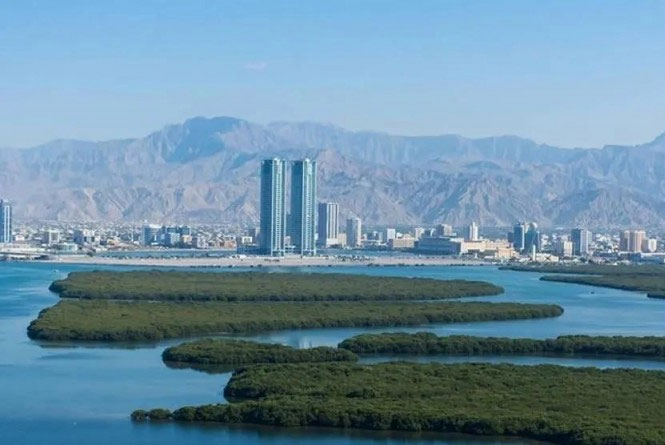
Dubais appeal for business registration is no accident. It is built on a foundation of tangible benefits designed to foster commercial success. The emirate consistently ranks highly for ease of doing business in the region.
First, consider the strategic geographic location. Dubai provides seamless access to markets across the Middle East, Africa, Asia, and Europe. Its world-class airports and ports make logistics efficient.
Second, the political and economic environment is notably stable. The government actively encourages foreign investment through progressive policies. There is robust legal framework designed to protect intellectual property and investments.
Third, the infrastructure is simply outstanding. From cutting-edge office towers and free zones to top-tier telecommunications and transport networks, everything supports business efficiency. The tax environment remains highly favorable, with no personal income tax and a clear corporate tax framework.
Finally, the quality of life is a major draw. A safe, cosmopolitan city with excellent healthcare, education, and leisure options helps attract and retain top global talent for your newly registered company.
Mainland vs. Free Zone: Picking the Right Foundation
Before you register company in Dubai, you must choose between two primary legal landscapes: the Mainland (also called the Dubai Department of Economic Development or DED companies) and the various Free Zones.
Mainland Company Registration
A mainland license allows you to operate anywhere in Dubai and the wider UAE market. You can bid on government contracts and conduct business directly with the local economy. This is ideal for retail, construction, and hospitality businesses.
Historically, this required a local UAE national to own 51% of the shares. However, recent reforms now allow 100% foreign ownership in over 1,000 commercial and industrial activities. This is a transformative shift. You still require a local Service Agent, but they hold no ownership or management rights.
Free Zone Company Registration
Free Zones are specialized economic areas offering 100% foreign ownership, full profit repatriation, and often custom duty benefits. Each zone caters to specific industries, like Dubai Internet City for tech or DMCC for commodities.
The trade-off is that a free zone company is generally restricted to operating within that zone and internationally. To conduct business directly within the UAE mainland, you typically need a local distributor. The process to register company in Dubai free zone is usually faster and more streamlined.
Your choice depends entirely on your target market and business activities.
The Step-by-Step Process to Register Company in Dubai
While specifics vary between Mainland and Free Zones, the core journey shares common steps. Here is a generalized roadmap for how to register company in Dubai.
Step 1: Finalize Your Business Activity and Legal Structure
Define your precise business activities. These will determine your license type (commercial, professional, industrial, or tourism). Next, select a legal structure (e.g., Limited Liability Company LLC, Sole Establishment, or Free Zone Establishment).
Step 2: Obtain Initial Approvals and Name Reservation
Choose a unique trade name that complies with UAE naming conventions. Apply for initial approval from the Department of Economic Development (DED) for mainland or the relevant Free Zone Authority. This preliminary green light allows you to proceed.
Step 3: Draft and Notarize Your Legal Documents
For mainland LLCs, this involves drafting the Memorandum of Association (MoA), a legal charter signed by all shareholders. This document must be notarized. Free Zones have their own incorporation documents.
Step 4: Secure Your Physical Business Address
Every company must have a registered physical address. On the mainland, this could be an office or warehouse. In a free zone, you lease space, which can range from a flexi-desk to a full warehouse. The size often dictates your visa quota.
Step 5: Submit for Final Approval and License Issuance
Submit all completed documents, lease agreements, and approvals to the authority. Upon payment of all fees, you will receive your official trade license. This is the final step to formally register company in Dubai.
Step 6: Post-Registration Formalities
After licensing, you must complete vital steps: opening a corporate bank account, registering for corporate tax (if applicable), and applying for employee visas and Emirates IDs through the relevant government portals.
Key Costs and Financial Considerations
The cost to register company in Dubai is not a single fixed fee. It is a combination of government charges, licensing, and mandatory operational costs. Budgeting accurately is essential.
For a mainland LLC, costs include trade name reservation, license fees, notary charges for the MoA, and office rental deposits. The new 100% ownership structure may involve specific service agent fees.
Free zone costs are usually published clearly. They include incorporation fees, license fees (annual), and the mandatory office space lease. Visa costs are additional, covering application fees, medical tests, Emirates IDs, and insurance.
Remember to factor in recurring annual costs. These include license renewal, office rent renewal, and visa renewal for employees. Professional fees for legal consultants or PRO services can add to the initial cost but often save significant time and hassle.
Common Pitfalls to Avoid When You Register
A smooth company formation requires awareness of potential missteps. Many challenges arise from a lack of local knowledge or rushing the process.
A major error is selecting the wrong legal structure or business activity. This can limit your operations or lead to rejection. Thorough due diligence with the DED or Free Zone activity list is critical.
Underestimating the importance of a corporate bank account is another pitfall. The process can be lengthy and requires thorough documentation. Start early and be prepared for due diligence inquiries.
Neglecting post-registration compliance is a serious risk. This includes renewing licenses on time, filing potential corporate tax returns, and adhering to visa regulations. Non-compliance can result in heavy fines.
Finally, trying to navigate the entire process alone to save money can lead to costly delays. Engaging a reputable business setup consultant can provide invaluable guidance, ensure compliance, and streamline your journey to register company in Dubai.
Frequently Asked Questions (FAQs)
Q1: How long does it take to register a company in Dubai?
A1: The timeline varies. A free zone company can often be established in 1-2 weeks once all documents are ready. A mainland LLC typically takes 2-4 weeks, as it may involve more government departments and notarization steps. Delays usually occur due to incomplete paperwork or bank account opening.
Q2: Can I get a residence visa for myself and my family after I register my company?
A2: Yes, absolutely. Once your company is licensed, you can apply for residence visas for yourself, your family, and your employees. The number of visas you are eligible for is usually linked to your office space size (in free zones) or your business activity and capital (on the mainland).
Q3: What is the minimum capital requirement to register a company in Dubai?
A3: For most mainland LLCs, there is no longer a mandatory minimum capital requirement. You need to define "share capital" in your MoA, but it is not required to be deposited in a bank. Some specific regulated activities (like banking or insurance) have different rules. Most free zones also have no minimum capital requirement.
Q4: Is it possible to change my business activity or move from a free zone to the mainland later?
A4: Yes, but it involves a formal process. Changing your activity requires submitting an application to the relevant authority and paying fees. Converting from a free zone to a mainland company is more complex; it often requires closing the free zone entity and incorporating a new mainland company, as licenses are not directly transferable.
Q5: Do I need to be physically present in Dubai to complete the registration?
A5: Not necessarily. Many steps can be initiated or handled remotely through a Power of Attorney (POA) granted to a local representative or business setup agent. However, you will likely need to be present for certain steps, such as opening the corporate bank account or signing some original documents. Many agents offer "soft landing" packages to minimize your required physical presence.