 Time: 2026-08-14
 Author: Zhuoxin Enterprise
 Source: Zhuo Xin
 Views: 841
In todays globalized economy, entrepreneurs and businesses are constantly seeking strategic locations to establish their operations with minimal barriers. One such hotspot is the Ras Al Khaimah (RAK) Free Zone, a premier business hub in the United Arab Emirates (UAE). A RAK Free Zone company setup offers a streamlined pathway to tap into the Middle Eastern market and beyond, combining regulatory ease with economic incentives. Whether youre a startup founder or an established corporation, understanding the intricacies of this process can be a game-changer. This article dives deep into the essentials of RAK Free Zone company setup, covering key aspects like benefits, procedures, and costs, to help you make an informed decision. By the end, youll see why so many businesses are choosing this route for growth and expansion.
What is RAK Free Zone?
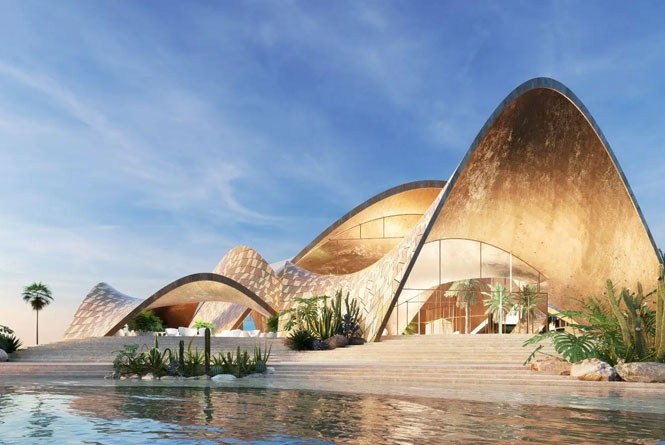
RAK Free Zone, established by the government of Ras Al Khaimah, is one of the fastest-growing economic zones in the UAE. It provides a business-friendly environment with full foreign ownership, tax exemptions, and modern infrastructure. Designed to attract international investment, the zone supports various industries, including trading, manufacturing, and services. A RAK Free Zone company setup allows entrepreneurs to operate with 100% ownership, no currency restrictions, and easy access to global markets. With over 15,000 companies registered, it has become a cornerstone for businesses looking to leverage the UAEs strategic location between Europe, Asia, and Africa. The zones authorities ensure a hassle-free registration process, making it an ideal choice for small to large enterprises aiming for rapid market entry.
Key Benefits of a RAK Free Zone Company Setup
One of the primary reasons businesses opt for a RAK Free Zone company setup is the array of benefits it offers. First and foremost, companies enjoy 100% foreign ownership, meaning no local sponsor is required—a significant advantage over mainland setups in the UAE. Additionally, there are no corporate or personal income taxes, providing substantial cost savings. The zone also offers full repatriation of profits and capital, allowing businesses to transfer funds freely without restrictions. Another key benefit is the streamlined logistics and infrastructure, including state-of-the-art facilities, warehousing, and connectivity to major ports and airports. Moreover, a RAK Free Zone company setup includes access to a skilled workforce and networking opportunities within a diverse business community. These perks make it an attractive option for industries like IT, consulting, and light manufacturing, fostering innovation and scalability.
Types of Companies Available in RAK Free Zone
When considering a RAK Free Zone company setup, its crucial to understand the different business structures available. The zone offers several entity types to suit various operational needs. For instance, you can establish a Free Zone Establishment (FZE), which is a single-shareholder company, or a Free Zone Company (FZC), which allows multiple shareholders. There are also branches of existing foreign companies, representative offices, and offshore entities. Each type has specific requirements; for example, an FZE requires a minimum share capital, while a branch office doesnt need separate capital but must align with the parent companys activities. The flexibility in company types ensures that whether youre a solo entrepreneur or a multinational, the RAK Free Zone company setup can be tailored to your goals. This variety supports diverse business models, from trading and e-commerce to professional services.
Step-by-Step Process for RAK Free Zone Company Setup
The process for a RAK Free Zone company setup is designed to be efficient and user-friendly, typically taking a few weeks to complete. It begins with selecting a business activity and company name, which must comply with the zones naming conventions and not infringe on existing trademarks. Next, youll need to submit the required documents, such as passport copies, a business plan, and proof of address. Once approved, you can proceed to lease office space or opt for a flexi-desk solution, depending on your needs. After that, youll apply for the trade license, which is issued based on your business activity. The final steps involve opening a corporate bank account and obtaining necessary visas for employees. Throughout this process, the RAK Free Zone authority provides dedicated support to ensure a smooth RAK Free Zone company setup. Many businesses hire local consultants to navigate any complexities, but the overall system is transparent and geared toward quick turnaround times.
Costs and Financial Considerations
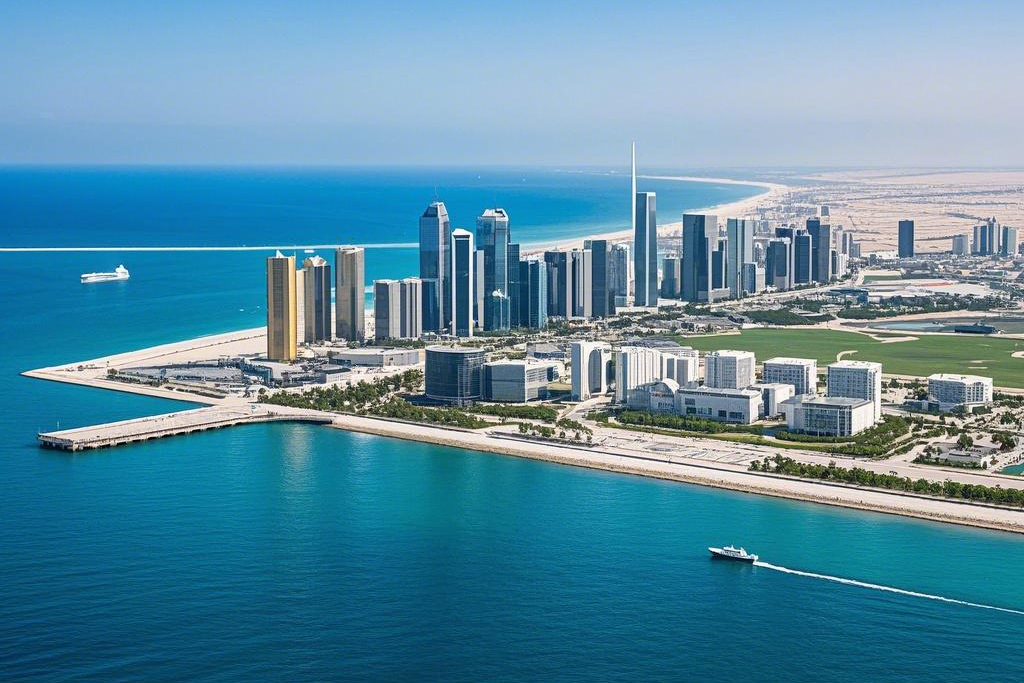
Understanding the costs involved is essential for any RAK Free Zone company setup. The expenses vary based on factors like company type, license category, and office space. Generally, you can expect to pay for the trade license, which ranges from AED 5,000 to AED 20,000 annually, depending on the business activity. Office rental costs start from AED 10,000 per year for a flexi-desk and go up for larger spaces. Additionally, there are registration fees, visa processing charges, and potential costs for legal and consultancy services. Its worth noting that a RAK Free Zone company setup often includes bundled packages that cover license, registration, and visa fees, making budgeting easier. Compared to other UAE free zones, RAK is known for its affordability, which is a major draw for startups and SMEs. Planning these finances in advance helps avoid surprises and ensures a sustainable business model in the long run.
Legal and Regulatory Framework
A successful RAK Free Zone company setup hinges on adhering to the zones legal and regulatory framework. The RAK Free Zone Authority oversees all operations, ensuring compliance with UAE laws while offering a flexible regulatory environment. Companies must obtain the appropriate trade license—commercial, industrial, or professional—based on their activities. There are also annual audit requirements, though they are less stringent than in some other jurisdictions. Importantly, the zone provides robust intellectual property protection and dispute resolution mechanisms. For a RAK Free Zone company setup, its vital to stay updated on regulatory changes, such as recent enhancements in anti-money laundering policies. Engaging with legal experts can help navigate these aspects, but the overall framework is designed to promote business growth without excessive red tape. This balance of oversight and freedom makes it a reliable choice for international investors.
Why RAK Free Zone Stands Out Among UAE Free Zones
When comparing free zones in the UAE, a RAK Free Zone company setup often emerges as a top contender due to its unique advantages. Unlike zones in Dubai or Abu Dhabi, RAK offers lower costs and a quicker setup process, without compromising on quality. The zones focus on sectors like technology, media, and sustainability aligns with global trends, providing niche opportunities. Additionally, RAKs proximity to the Hatta border and Saqr Port facilitates easy trade with Oman and other GCC countries. The supportive government policies and continuous infrastructure developments, such as the RAK Maritime City, enhance its appeal. For businesses prioritizing cost-efficiency and agility, the RAK Free Zone company setup is a strategic move that combines affordability with world-class amenities. This competitive edge has led to a steady increase in registrations, solidifying its reputation as a business-friendly hub.
In conclusion, a RAK Free Zone company setup opens doors to immense opportunities in the UAE and broader region. From tax benefits and full ownership to a straightforward registration process, it caters to diverse business needs. By following the steps outlined and considering the financial and legal aspects, you can embark on a successful venture. If youre looking to expand your footprint, the RAK Free Zone company setup is worth serious consideration.
Frequently Asked Questions About RAK Free Zone Company Setup
Q1: What is the typical timeline for a RAK Free Zone company setup?
A1: The timeline for a RAK Free Zone company setup usually ranges from 1 to 3 weeks, depending on the complexity of the application and document submission. Simple setups can be faster, while those requiring special approvals might take longer.
Q2: Are there any restrictions on business activities in RAK Free Zone?
A2: Yes, while RAK Free Zone allows a wide range of activities, some sectors like banking and insurance may require additional approvals. Its best to check with the authority during the initial application for your RAK Free Zone company setup.
Q3: Can I operate outside the UAE with a RAK Free Zone company?
A3: A RAK Free Zone company setup primarily allows operations within the free zone and internationally, but conducting business in the UAE mainland may require a local agent or additional licenses.
Q4: What are the visa benefits associated with a RAK Free Zone company setup?
A4: A RAK Free Zone company setup typically includes eligibility for multiple employee visas, which cover residency permits and dependents. The number depends on your office space and business needs.
Q5: How does RAK Free Zone compare to other free zones in terms of costs?
A5: RAK Free Zone is often more cost-effective than zones in Dubai or Abu Dhabi, with lower license fees and flexible office options, making it ideal for budget-conscious entrepreneurs pursuing a RAK Free Zone company setup.