 Time: 2026-08-14
 Author: Zhuoxin Enterprise
 Source: Zhuo Xin
 Views: 718
Dubai continues to attract global investors and entrepreneurs. The steady flow of new registered companies in Dubai reflects the emirate’s business‑friendly policies, modern infrastructure, and strategic location. Whether you are a startup founder or an established firm, understanding the current landscape helps you position your business for success. This article breaks down the sectors, jurisdictions, and practical steps for setting up a new entity.

Why Dubai Sees a Steady Rise in New Registered Companies
Several factors contribute to the increasing number of new registered companies in Dubai. The government has introduced long‑term visas, relaxed ownership laws, and digitalised many procedures. Below are the main drivers:
100% foreign ownership: Recent amendments allow full ownership in most mainland activities, removing the need for a local partner.
Golden Visa scheme: Investors, entrepreneurs, and specialised talents can obtain 5‑ or 10‑year residency.
Ease of doing business: Online portals for trade name reservation, licence applications, and visa processing.
Strategic location: Access to Middle Eastern, African, and South Asian markets within a few hours’ flight.
Tax advantages: 0% corporate and personal income tax for most free zone companies (with specific conditions).
These elements create an environment where new registered companies in Dubai can thrive from day one.
Key Business Sectors for New Registered Companies in Dubai
While Dubai welcomes all types of businesses, certain sectors see particularly high activity. Based on recent data from the Department of Economy and Tourism (DET) and various free zones, here are the dominant industries among new registered companies in Dubai:
Technology and Startups
Dubai Internet City, Dubai Silicon Oasis, and in5 hubs attract tech entrepreneurs. AI, blockchain, and software development firms are especially prominent.
Fintech and payment solutions.
E‑commerce platforms and marketplaces.
Healthtech and edtech startups.
E‑commerce and Retail
The rise of online shopping fuels demand for e‑commerce licences. Many new registered companies in Dubai operate as online stores, drop‑shipping businesses, or social media retailers.
Dedicated e‑commerce licences from free zones like Dubai South and Dubai CommerCity.
Ability to sell across the UAE with a mainland licence.
Professional Services
Consulting, marketing, HR, and legal services continue to grow. These businesses often choose professional licences in free zones or mainland.
Management and IT consulting.
Creative agencies and media production.
Event management and public relations.
Logistics and Trade
Dubai’s ports and airports make it a global trading hub. New registered companies in Dubai involved in import/export, warehousing, and freight forwarding are common in Jebel Ali Free Zone (JAFZA) and Dubai South.
Where Do New Registered Companies in Dubai Choose to Set Up?
Entrepreneurs must decide between mainland and free zone jurisdictions. Each offers distinct benefits for new registered companies in Dubai.
Mainland Company Formation
Mainland companies are licensed by the DET. They can trade directly within the UAE market and bid for government contracts. Recent reforms allow 100% foreign ownership for over 1,000 commercial and industrial activities.
No need for a local distributor.
Flexibility to open branches anywhere in the UAE.
Suitable for businesses targeting local customers.
Free Zone Company Formation
Free zones are designed for specific industries and offer 100% foreign ownership, tax exemptions, and simplified setup. Popular choices among new registered companies in Dubai include:
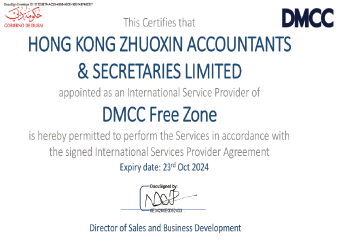
Dubai Multi Commodities Centre (DMCC): Ideal for commodities, tech, and trading firms.
Dubai Silicon Oasis (DSO): Focus on technology and innovation.
Dubai South: Logistics and aviation.
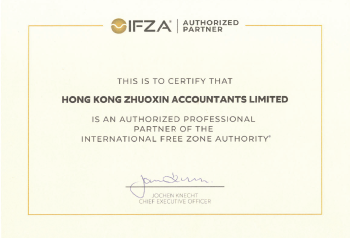
IFZA: Affordable packages for SMEs.
Many new registered companies in Dubai start in a free zone to benefit from cost‑effective packages and later expand to mainland. For a complete list of options, consult a business setup specialist who can guide you through new registered companies in Dubai procedures.
Step‑by‑Step Process for New Registered Companies in Dubai
The registration process is straightforward if you follow the correct sequence. Below are the typical stages for both mainland and free zone setups:
Choose your business activity and legal structure. This determines the licensing authority and requirements.
Reserve a trade name. Ensure it complies with UAE naming conventions and is not already taken.
Apply for initial approval. Submit passport copies and a brief business plan to the relevant authority.
Draft the Memorandum of Association (MOA). For mainland, this may require notarisation; free zones provide standard templates.
Secure office space. Options include flexi‑desks, co‑working spaces, or physical offices.
Submit all documents and pay the fees. After verification, the licence is issued.
Apply for visas. Investor and employee visas can be processed once the licence is active.
Most new registered companies in Dubai complete this process within 1–2 weeks. Using a professional setup agent can speed up the procedure and avoid common errors.
Costs and Timelines for New Registered Companies in Dubai
Budgeting is essential. The total cost varies based on jurisdiction, licence type, and office space. Below is an approximate breakdown for a small to medium‑sized business:
Free zone licence package: AED 10,000 – AED 25,000 (often includes visa quota and flexi‑desk).
Mainland licence: AED 15,000 – AED 30,000, plus office rent (AED 20,000+ per year).
Visa costs: AED 3,500 – AED 5,000 per person (medical, Emirates ID, stamping).
Additional approvals: Some activities require permits from authorities like RTA or Dubai Municipality (AED 2,000–10,000).
Timelines range from 3 working days (for some free zones with express service) to 3 weeks (for mainland with multiple approvals). Planning ahead ensures your new registered companies in Dubai launch smoothly.
Common Challenges Faced by New Registered Companies in Dubai
Even with a supportive ecosystem, entrepreneurs encounter hurdles. Being aware of them helps you prepare:
Bank account opening: UAE banks require extensive due diligence. Prepare a detailed business plan, proof of funds, and personal references.
Visa processing delays: Medical appointments and ID printing can take extra time; use typing centres to expedite.
Understanding compliance: Annual audits, labour registration, and visa renewals must be managed properly.
Choosing the right licence: Some entrepreneurs pick an activity that restricts future growth; always consider scalability.
Working with an experienced business setup consultant who specialises in new registered companies in Dubai can mitigate these risks.
In summary, Dubai offers a fertile ground for business formation. The rising number of new registered companies in Dubai reflects confidence in its economy and governance. Whether you opt for a free zone or mainland, the process is transparent and supported by modern infrastructure. With proper planning and professional assistance, your venture can become one of the successful new registered companies in Dubai contributing to the emirate’s diverse economy.
Frequently Asked Questions (FAQs)
Q1: What is the minimum cost to start a new registered company in Dubai?
A1: The minimum cost for a free zone company starts at around AED 10,000 for a basic package (including licence and flexi‑desk). Mainland companies typically start from AED 15,000–20,000, excluding office rent. Always check what is included in the package to avoid hidden fees.
Q2: How long does it take for new registered companies in Dubai to get a licence?
A2: It depends on the jurisdiction. Some free zones offer same‑day or 48‑hour licensing for standard activities. Mainland registration usually takes 1–2 weeks because of additional approvals and notarisation. Express services are available at an extra cost.
Q3: Can a foreigner own 100% of a new registered company in Dubai?
A3: Yes. In all free zones, foreigners can own 100% of the company. For mainland, recent reforms allow full foreign ownership for over 1,000 commercial and industrial activities. Some professional activities may still require a local service agent (who does not hold equity).
Q4: What documents are required for new company registration in Dubai?
A4: Typically you need: clear passport copies of shareholders/directors, passport‑sized photos, proof of address (utility bill or bank statement), a business plan (for some activities), and a completed application form. If you are already in the UAE, you also need a copy of your visa and Emirates ID.
Q5: Do new registered companies in Dubai need a local sponsor?
A5: Not anymore for most activities. In free zones, no sponsor is required. For mainland, the requirement for a local partner has been abolished for many activities. However, certain regulated professions (like legal or medical practices) may still need a local service agent. It is best to verify with the Department of Economy and Tourism.
Q6: Can I open a bank account immediately after company registration in Dubai?
A6: Once your licence is issued, you can approach banks. However, account opening can take 1–4 weeks due to compliance checks. Prepare your business plan, proof of funds, and shareholder profiles. Some free zones have partnerships with banks to facilitate faster account setup for new registered companies in Dubai.
Q7: What are the annual renewal costs for new registered companies in Dubai?
A7: Annual renewal typically includes the licence fee, office rent (if applicable), and visa renewals. It is usually 30–50% lower than the initial setup cost. Budget around AED 10,000–20,000 per year for a small company with one or two visas, depending on the jurisdiction.