 Time: 2026-10-09
 Author: Zhuoxin Enterprise
 Source: Zhuo Xin
 Views: 1
The United Arab Emirates has consolidated its position as the preferred jurisdiction for corporate expansion across the Middle East, and a new company setup in UAE now involves a defined set of regulatory, ownership and operational decisions. Foreign investors, industrial operators and professional service firms approach incorporation with different priorities. A trading company needs customs and logistics access. A consultancy needs a professional licence and visa capacity. A holding structure needs ownership flexibility and tax efficiency. Each priority maps to a different licensing route, and the choices made during incorporation determine how the entity operates for years afterward.
This guide examines the UAE incorporation framework from a technical perspective, covering jurisdiction selection, documentation sequence, capital structures, banking requirements and ongoing compliance. The focus is on practical decision points rather than promotional summaries.

Jurisdiction Choices for New Company Setup in UAE
The UAE does not have a single incorporation authority. A company is licensed either onshore through the relevant Department of Economic Development (DED) in one of the seven emirates, or within a free zone authority. Offshore structures and branch offices represent separate categories with distinct rules.
Mainland Licensing
A mainland licence, issued by the DED in Dubai, Abu Dhabi, Sharjah, Ajman, Ras Al Khaimah, Fujairah or Umm Al Quwain, permits direct trading within the UAE market. Mainland entities can participate in government tenders, open branches across the emirates and employ staff without geographic restriction. Foreign ownership rules have been liberalised across many commercial and industrial activities, though certain regulated sectors still require a UAE national partner or a local service agent. The applicable ownership rule is determined by the specific activity code, not by the licence category alone.
Free Zone Licensing
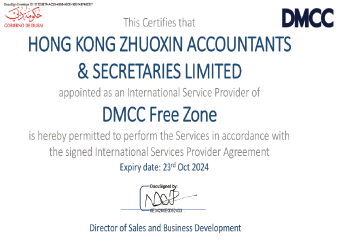
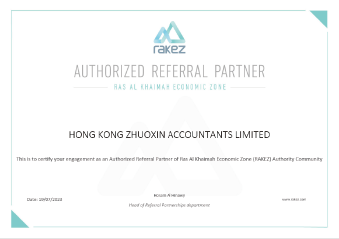
Free zones operate under separate regulatory authorities and offer varying degrees of ownership, premises and visa flexibility. Major free zones include DMCC, JAFZA, DAFZA, RAKEZ, SAIF Zone, Hamriyah Free Zone, SRTIP, Shams, Meydan Free Zone and Abu Dhabi Global Market. Free zone entities are treated as outside the domestic customs territory. They trade freely internationally but require a local distributor, a customs agent or a mainland licence to serve the UAE domestic market directly. Free zone packages often bundle a flexi-desk, visa quota and licence renewal into a single annual cost, which simplifies budgeting for service businesses.
Offshore and Branch Structures
An offshore company, typically registered in Jebel Ali Offshore, RAK ICC or ADGM, is used for holding assets, intellectual property or international trading without a physical UAE presence. A branch or representative office of a foreign company is licensed to conduct specific activities on behalf of the parent. Each structure carries different accounting, substance and reporting obligations, and the selection should follow the commercial purpose rather than cost alone.
Step-by-Step Process for New Company Setup in UAE
The incorporation sequence follows a predictable order. Deviating from this order is a common source of administrative delay.
Activity Classification and Licence Selection
Every licence is tied to one or more activity codes. A commercial licence covers trading, import and export. A professional licence covers consulting, design, education and technical services. An industrial licence covers manufacturing, processing and assembly. Banks and tax authorities assess whether the declared activity matches the actual revenue model, so activity selection should be reviewed against projected transaction flows before submission.
Trade Name Reservation and Initial Approval
The proposed trade name must comply with UAE naming rules. It cannot contain religious references, offensive terms, existing trademarks or abbreviations that suggest government affiliation. Initial approval is issued once the name, activity, shareholder structure and legal form are accepted by the licensing authority.
Legal Documentation and Attestation
Documentation requirements vary by shareholder type and jurisdiction. Typical documents include:
- Passport copies and photographs of individual shareholders and managers
- Attested and notarised passport copies for non-resident shareholders
- Board resolution, certificate of incorporation and power of attorney for corporate shareholders, legalised through the UAE embassy in the country of origin
- Memorandum and Articles of Association, notarised where required
- Proof of address for the proposed registered office
Premises and Facility Requirement
Mainland entities require an Ejari-registered lease or a tenancy contract acceptable to the DED. Free zone entities lease a flexi-desk, shared office, executive office, warehouse or industrial plot. The premises category directly determines the initial visa allocation. A company planning to hire ten employees should not lease a facility sized for two visas, because expansion requires a lease upgrade and a licence amendment.
Immigration Card and Visa Allocation
After licence issuance, the company obtains an immigration card and a labour quota. Establishment card processing, investor visa, employment visa and dependent visa applications are submitted through the relevant immigration channel. Medical fitness tests, Emirates ID registration and health insurance are part of the residency process for each employee and dependent.
Corporate Bank Account Opening
Banking due diligence has become more structured across the UAE. Banks assess the business rationale, source of funds, expected turnover, counterparty jurisdictions and physical presence. A complete incorporation file with a clear business profile shortens onboarding. Submitting only a trade licence without supporting commercial documentation leads to repeated compliance requests.
Ownership, Capital and Legal Form
The legal form determines liability, ownership and profit distribution. Common forms include:
- Limited Liability Company (LLC) – the standard structure for trading and industrial activity, with shares held by individuals or corporate entities.
- Sole Establishment – owned by a single individual, suitable for professional and commercial activities where full ownership is permitted.
- Civil Company – used by professional partnerships such as law firms, audit practices and engineering consultancies.
- Free Zone Establishment (FZE) – a single-shareholder free zone entity.
- Free Zone Company (FZC) – a multi-shareholder free zone entity.
- Branch or Representative Office – an extension of a foreign parent company.
Share capital requirements vary. Many mainland activities no longer impose a minimum capital threshold, while free zones require a nominal share capital declaration. Certain regulated sectors, including insurance, banking, education and healthcare, impose specific capital and approval requirements.
Tax and Compliance Obligations After New Company Setup in UAE
Corporate tax applies to taxable persons at a standard rate of nine percent on profits above the statutory threshold. A zero percent rate applies to qualifying income of qualifying free zone entities, subject to substance and compliance conditions. Value Added Tax registration is mandatory once taxable supplies exceed the mandatory registration threshold, with voluntary registration available below it. VAT returns are filed periodically through the Federal Tax Authority portal.
Economic Substance Regulations require certain entities to demonstrate adequate employees, premises and operating expenditure within the UAE. Ultimate Beneficial Owner (UBO) filings must be maintained and updated with the relevant registry. Transfer pricing documentation may be required for related-party transactions. Accounting records must be maintained in accordance with International Financial Reporting Standards, and audited financial statements are required for certain licence categories and free zones.
Cost and Timeline Variables
Total incorporation cost depends on four main variables:
- Jurisdiction and free zone selection
- Number and type of licence activities
- Premises category and visa quota
- Professional fees for attestation, translation, notarisation and advisory support
Indicative timelines range from three to five working days for a straightforward free zone licence with a pre-approved activity, to three to six weeks for a mainland LLC involving foreign corporate shareholders, embassy legalisation, external regulatory approval or specialised activity codes. Banking timelines add a separate period after licence issuance, and preparation quality influences that duration more than bank workload.
Common Documentation and Structuring Mistakes
- Selecting an activity code that does not reflect the actual commercial model
- Submitting foreign corporate documents without correct embassy attestation and legalisation
- Leasing premises below the required size for the planned visa headcount
- Opening a bank account before preparing a documented business rationale
- Registering a trade name that conflicts with an existing trademark
- Failing to align licence activity with VAT and corporate tax registration categories
- Overlooking UBO and economic substance filing deadlines after
incorporation

How a Specialised Advisory Partner Supports Incorporation
The regulatory framework is transparent, but the sequencing and documentation standards are specific. Zhuo Xin supports international investors with jurisdiction mapping, activity selection, document preparation, attestation coordination and banking readiness. The objective is a licence structure that matches the commercial model, so that subsequent tax registration, visa applications and bank onboarding proceed without structural amendments.
For companies expanding into the Gulf, the initial structuring decision influences customs access, ownership rights, visa capacity and tax treatment. A properly designed setup reduces administrative rework and aligns the entity with its intended operating footprint. Zhuo Xin works with founders and corporate teams to prepare a structured licensing roadmap, documentation checklist and indicative cost breakdown before any application is submitted.
Frequently Asked Questions
Can a foreign national own 100 percent of a UAE mainland company?
Full foreign ownership is permitted for many commercial and industrial activities under current UAE company law. Certain regulated sectors continue to require a UAE national partner or a local service agent. The applicable rule depends on the specific activity code, which should be verified before incorporation.
What is the difference between a mainland licence and a free zone licence?
A mainland licence allows direct trading within the UAE, government contracting and nationwide branch operations. A free zone licence permits international trading and often provides full foreign ownership with a bundled premises and visa package, but requires a local distributor, customs agent or mainland licence for direct domestic market access.
How long does a new company setup in UAE take?
A free zone licence with a pre-approved activity can be issued within a few working days. A mainland LLC involving foreign corporate shareholders, notarisation, external approvals or specialised activity codes generally takes three to six weeks from document collection to licence issuance. Bank account opening follows as a separate process.
Is a physical office required for company formation in the UAE?
Yes. Mainland entities require an Ejari-registered lease or an acceptable tenancy contract. Free zone entities can choose a flexi-desk, shared office, executive office, warehouse or industrial plot depending on the zone and activity. The premises category determines the initial visa quota.
What documents are needed to open a corporate bank account?
Banks typically request the trade licence, Memorandum and Articles of Association, passport copies of shareholders and signatories, proof of address, a business profile, source of funds documentation, projected turnover, counterparty details and evidence of physical presence. A written commercial rationale improves the review outcome.
Does a UAE company have to register for corporate tax and VAT?
Corporate tax registration applies to taxable persons under UAE law, with a nine percent rate on profits above the statutory threshold. Qualifying free zone entities may access a zero percent rate on qualifying income subject to conditions. VAT registration is mandatory once taxable supplies exceed the mandatory threshold, with voluntary registration available below it.
Can a free zone company sponsor employee and family visas?
Yes, subject to the visa quota attached to the leased premises and the free zone's internal regulations. Establishment card issuance, investor visas, employment visas and dependent visas are processed through the relevant immigration channels once the licence and lease are in place.
To evaluate the appropriate jurisdiction, legal form and activity code for your proposed operation, share your business activity, shareholder profile, expected visa headcount and target timeline with Zhuo Xin. Our advisory team will prepare a structured licensing roadmap, documentation checklist and indicative cost breakdown, and coordinate the process through licence issuance and banking submission. Submit your inquiry to begin the assessment.