 Time: 2026-08-14
 Author: Zhuoxin Enterprise
 Source: Zhuo Xin
 Views: 492
Entrepreneurs and established firms alike seek jurisdictions that offer tax advantages, full ownership, and operational ease. Free trade zone company registration in the UAE has become a top choice for thousands of businesses. These zones provide a regulated environment where foreign investors can set up without a local sponsor, enjoy customs benefits, and access world-class infrastructure. Whether you are in trading, logistics, or technology, the process is designed to be transparent and efficient.
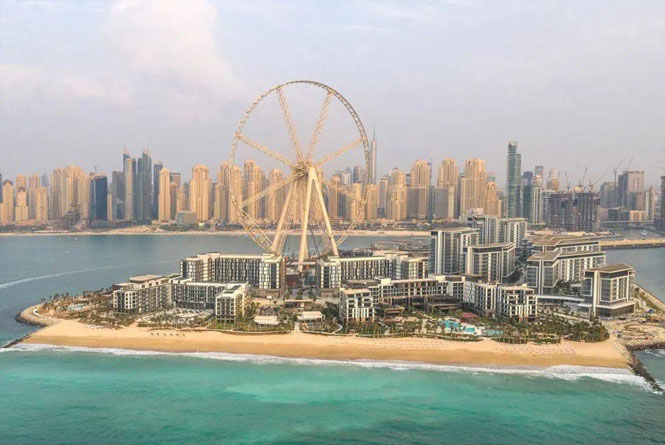
Why Free Trade Zone Company Registration Attracts Global Investors
Free zones across the UAE, such as JAFZA, DMCC, and Dubai Silicon Oasis, each cater to specific industries. They share core advantages that make incorporation highly appealing.
Key benefits include:
100% foreign ownership with no need for a local partner.
Zero corporate and personal income taxes for up to 50 years, renewable.
Full repatriation of capital and profits.
Streamlined customs procedures and exemption from import/export duties.
Modern infrastructure, warehousing, and logistics connectivity.
These factors allow businesses to operate with greater flexibility and cost efficiency. For many, the decision to start with free trade zone company registration is the first step toward regional expansion and global market access.
Step-by-Step Process for Free Trade Zone Company Registration
While each free zone has its own procedures, the overall journey follows a similar pattern. Understanding the stages helps you plan timelines and budgets.
1. Choose the Right Free Zone and Business Activity
Your activity must align with the free zone’s approved list. Some zones specialize in media, finance, or logistics. Selecting a zone that matches your industry ensures smoother approvals.
Research factors such as proximity to ports, visa quotas, and available facilities. A mismatch can lead to operational restrictions later.
2. Select a Legal Structure
Free zones offer several entity types. Common options:
Free Zone Establishment (FZE) – single shareholder.
Free Zone Company (FZC) – 2 to 5 shareholders.
Branch of a foreign or local company.
Each structure affects liability, governance, and the number of visas you can obtain. Choose based on your long-term business model.
3. Reserve a Trade Name and Apply for Initial Approval
The trade name must comply with the free zone’s naming conventions. Avoid religious references or offensive terms. Once approved, submit your incorporation application along with shareholder passports, business plan summary, and any required external approvals.
Initial approval typically takes 3 to 7 working days, depending on the zone and activity.
4. Lease Office or Facility Space
Physical presence is mandatory in all UAE free zones. Options range from flexi-desks to large warehouses and land plots.
Consider your operational needs: flexi-desks suit startups with minimal staff; warehouses are necessary for physical goods handling. The office space directly influences your visa entitlement.
5. Obtain License and Complete Visa Processing
After leasing contracts are signed, you pay the license fees and receive your trade license. Subsequently, you apply for residence visas for yourself and employees.
Each visa involves medical screening, Emirates ID registration, and stamping. The entire post-license phase can take 2 to 4 weeks. Many businesses engage PRO services to streamline this stage.
Costs Involved in Free Trade Zone Company Registration
Expenses vary significantly by free zone, license type, and facility size. Below is a realistic breakdown to help with budgeting.
Trade license fee: AED 10,000 – AED 30,000 per year depending on the zone and activity.
Office/desk rental: AED 8,000 – AED 150,000+ annually.
Registration and administration charges: AED 3,000 – AED 10,000 one-time.
Visa processing per person: AED 4,000 – AED 7,500 (including medical, ID, and stamping).
Additional costs may include external government approvals (e.g., for industrial or medical activities) and attestation of documents from the home country. It is wise to allocate a contingency of 10–15% above initial quotes.
Despite the upfront investment, the absence of corporate and personal income tax ensures rapid return on investment for most businesses.
Post-Registration Compliance and Ongoing Obligations
Once your company is active, maintaining compliance protects your license status and avoids penalties. Free zones require annual renewals and adherence to specific rules.
Key ongoing requirements:
Submit audited financial statements if required by the zone (usually for larger entities).
Renew the trade license annually before expiry.
Keep employee visas and labor contracts up to date.
Maintain accurate accounting records for at least five years.
Comply with health, safety, and environmental regulations if operating warehouses or industrial units.
Failure to renew on time results in fines and possible license suspension. Many business owners outsource accounting and compliance to specialized service providers.
Common Pitfalls and How to Avoid Them
Even with a structured process, some entrepreneurs face unexpected delays. Recognizing these pitfalls in advance helps you stay on track.
Delayed bank account opening: Banks in the UAE conduct thorough due diligence. Start the process early with a clear business plan and physical presence. Some free zones have preferred banking partners to ease the process.
Underestimating visa quotas: Each facility has a maximum visa allocation. If you plan to hire many staff, ensure your office space can support that quota. Upgrading space later may involve additional costs.
Choosing an inappropriate activity: Selecting an activity that does not match your actual operations can lead to license rejection or restrictions on certain contracts. Consult with the free zone authority or a setup specialist to validate your activity list.
Working with experienced consultants during free trade zone company registration can help navigate these challenges efficiently.
Why Professional Assistance Matters
While it is possible to register independently, the documentation and coordination with multiple authorities can be time-consuming. A professional business setup firm handles document attestation, PRO services, and liaises with the free zone directly.
They also provide post-registration support such as VAT registration, accounting, and corporate banking introductions. This allows you to focus on launching your operations rather than administrative hurdles.
For a smooth experience, many investors rely on specialists who understand the nuances of each free zone. Their expertise often results in faster approvals and fewer back-and-forth communications.
Final Overview: Is Free Zone Company Registration Right for You?
Free zones offer a clear path to establishing a business with minimal red tape. They suit entrepreneurs seeking 100% ownership, tax benefits, and global connectivity. The process, from choosing a zone to obtaining visas, is well-defined and investor-friendly.
Whether you are a startup or expanding an existing enterprise, the framework supports scalability. With proper planning and the right partners, your free trade zone company registration can be completed within 3 to 6 weeks, positioning you to operate in one of the world’s most dynamic markets.
The UAE’s commitment to economic diversification ensures that free zones continue to evolve, offering new incentives and streamlined digital services. Now is a strategic time to establish your presence.
Frequently Asked Questions About Free Trade Zone Company Registration
Q1: What is the minimum share capital required for a free zone
company?
A1: Most free zones do not impose a minimum share capital
for standard licenses. However, you must declare a capital amount in the
Memorandum of Association. Certain regulated activities (e.g., banking,
insurance) have specific capital requirements set by the respective
authorities.
Q2: Can I operate anywhere in the UAE with a free zone
license?
A2: A free zone license permits business activities within
the free zone and international markets. For direct trade with the local UAE
market, you typically need to appoint a local distributor or obtain a customs
clearance permit. Some free zones allow limited local market activities through
specific procedures.
Q3: How long does the entire free trade zone company registration
process take?
A3: The timeframe ranges from 2 to 6 weeks, depending
on the free zone, activity complexity, and document readiness. Factors like
embassy attestation of foreign documents or external government approvals can
extend the timeline. Using a professional service provider often shortens the
process.
Q4: Can I register a free zone company entirely
remotely?
A4: Yes, many free zones allow remote registration. You
can submit documents electronically, and the trade license can be issued without
physical presence. However, for visa issuance, you must enter the UAE for
medical, biometrics, and Emirates ID processing. Some zones also require
in-person signatures for lease contracts.
Q5: What types of licenses are available in free
zones?
A5: Free zones typically offer commercial/trading licenses,
industrial licenses, service licenses, and sometimes professional licenses. Each
license type restricts or permits specific activities. You can combine multiple
activities under a single license as long as they fall under the same category
and are approved by the zone authority.
Q6: Are there any hidden costs after registration?
A6:
Beyond annual license renewal and visa renewals, you should budget for audit
fees (if required), local sponsor fees if you decide to conduct mainland sales,
and any penalties for non-compliance. Clear contracts with your setup provider
help avoid surprise charges. Always request a detailed fee breakdown before
starting the process.
For expert guidance on your free trade zone company registration, consulting a firm with deep experience in UAE free zones ensures you select the right jurisdiction and complete all steps efficiently. With the right preparation, your company can benefit from tax-free operations and strategic global access.