 Time: 2026-08-14
 Author: Zhuoxin Enterprise
 Source: Zhuo Xin
 Views: 929
Starting a business in Dubai offers zero corporate tax, 100% foreign ownership, and full capital repatriation. The fastest way to achieve this is through company formation in Dubai free zone. Free zones are designated areas with simplified registration, no customs duties, and streamlined visa processes. This guide walks you through seven practical steps, costs, and zone comparisons.
Unlike mainland companies, free zone entities do not require a local sponsor. You also avoid import/export duties. More than 20 free zones operate in Dubai, each catering to specific industries. Below we cover everything from choosing the right zone to opening a corporate bank account. Keep each section short and actionable.

Why Choose Company Formation in Dubai Free Zone?
Free zones were created to attract foreign investment. They offer legal guarantees and modern infrastructure. Most importantly, you pay 0% corporate tax until mid-2026 (and likely beyond).
100% foreign ownership – No local partner needed.
Zero corporate & personal income tax – Guaranteed for 15+ years.
Full profit repatriation – No restrictions on moving money out.
No currency controls – Dirham is pegged to USD.
Fast visa processing – Residency for owners, employees, and families.
Many e-commerce, consulting, logistics, and tech entrepreneurs prefer free zones. The process is transparent and can be completed remotely. Company formation in Dubai free zone typically takes 5 to 15 working days, depending on the zone and activity.
Top 5 Free Zones for Different Business Activities
Choosing the right zone saves time and money. Below are the most popular zones with their specializations.
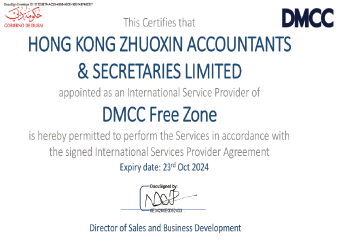
Dubai Multi Commodities Centre (DMCC)
Ideal for trading, commodities, and general business. DMCC has over 24,000 registered companies. Setup cost starts at $12,000. Allows 3 to 6 visas.
Dubai Silicon Oasis (DSO)
Best for tech, IT hardware, and innovation. Offers affordable packages from $8,500. Located within Dubai’s urban area.
Dubai South (formerly Dubai World Central)
Perfect for logistics, e-commerce, and aviation. Close to Al Maktoum Airport. Setup from $7,000. Larger office spaces available.
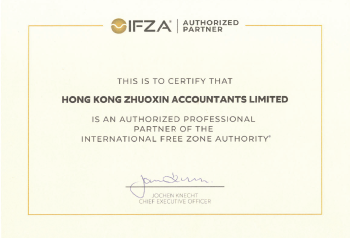
IFZA (International Free Zone Authority)
One of the most cost-effective. Packages start at $6,000. No physical office required (flexi-desk included). 3 visas standard.
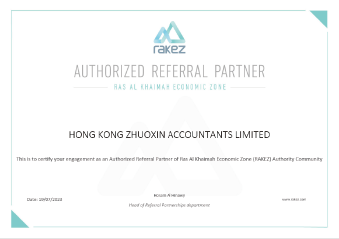
RAKEZ (Ras Al Khaimah Economic Zone)
Not in Dubai but nearby. Very affordable ($5,500+). Good for trading and consulting. Still offers Dubai banking access.
For most small to medium businesses, IFZA or DMCC are the safest choices. Both have strong bank relationships and fast processing.
Step-by-Step Process for Company Formation in Dubai Free Zone
The exact steps vary slightly between zones, but the core workflow is similar. Work with a registered business setup consultant or directly with the zone authority.
Step 1 – Choose Your Business Activity
Free zones have a predefined list of licensed activities. Common options include: general trading, e-commerce, consulting, logistics, and services. Some activities require additional approvals (e.g., medical, financial).
Pick up to three activities to keep your license flexible. Avoid prohibited activities like gambling or arms trading.
Step 2 – Select a Free Zone and Legal Structure
Decide between a Free Zone Establishment (FZE – one shareholder) or Free Zone Company (FZC – 2+ shareholders). Most zones also allow branch offices of foreign companies.
Compare costs, visa quotas, and office requirements. Many zones offer flexi-desks (shared workspace) to reduce overhead.
Step 3 – Reserve Your Trade Name
Your company name must not violate any trademarks or include offensive terms. The zone authority performs a name check within 24 hours. Approved names are reserved for 60 days.
Typical formats: “ABC DMCC” or “XYZ FZ-LLC”. Avoid abbreviations that are too generic.
Step 4 – Submit Documents and Pay Fees
Required documents: passport copies of shareholders/directors, visa copy (if inside UAE), proof of address, and a business plan (for some zones). All copies must be notarized or certified.
Fees include registration, license, and visa allocation. Total first-year cost ranges from $6,000 to $18,000 depending on the zone and package.
Step 5 – Obtain Initial Approval and Sign MOA
The zone reviews your application. Once approved, you sign the Memorandum of Association (MOA) and other legal documents. Some zones allow digital signing.
After signing, you receive a draft license. You can then lease an office (if required) and proceed to visa processing.
Step 6 – Apply for Visas and Emirates ID
Each free zone package includes a certain visa quota (usually 2 to 6 visas). You can apply for investor visas for yourself and employment visas for staff. The process takes 2 to 3 weeks.
Medical tests, biometrics, and Emirates ID registration are mandatory. Visa costs average $800 per person (including medical, ID, stamping).
Step 7 – Open a Corporate Bank Account
This is often the longest step (2 to 6 weeks). Traditional UAE banks require physical presence and a minimum deposit ($10,000 to $50,000). EMIs like Wise, Payoneer, or Airwallex offer faster alternatives.
Recommended banks for free zone companies: Emirates NBD, RAKBANK, Mashreq, and ADCB. Prepare a business plan and sample invoices to speed up the process.
Cost Breakdown for Company Formation in Dubai Free Zone
Below is a realistic budget for a typical IFZA or DMCC company. Prices in USD.
Trade license fee: $3,500 – $8,000 (one-time annual renewal)
Registration and admin fees: $1,200 – $2,500
Flexi-desk or office (annual): $1,800 – $5,000
Visa per person (including medical & ID): $800 – $1,000
Corporate bank account assistance: $200 – $500 (optional)
Annual renewal (license + office + visa): $4,000 – $10,000
First-year total: $7,000 to $18,000. Second year onwards: $4,000 to $12,000 depending on staff count. No hidden taxes or audit requirements for most free zone companies.
Visa and Residency Benefits
Your free zone company allows you to sponsor your own residency visa. You can also sponsor family members (spouse, children, parents) with proof of income.
Visa validity is typically 2 or 3 years, renewable. Once you have a visa, you can open personal bank accounts, rent an apartment, and get a driving license.
Banking and Accounting Tips
Free zone companies must maintain proper books, but no statutory audit is required unless you exceed certain turnover thresholds or apply for credit. Many small businesses use simple accounting software like Zoho Books or QuickBooks.
When opening a bank account, present your license, MOA, passport, and visa. Some banks ask for a minimum deposit of $10,000 that remains blocked for 6 months.
Common Mistakes to Avoid
Many entrepreneurs face delays or extra costs. Avoid these errors.
Choosing the wrong zone: Picking a zone that does not match your activity leads to license rejection.
Underestimating visa costs: Medical, insurance, and ID fees add up. Budget $1,200 per person.
Ignoring bank account requirements: Some zones have poor banking relationships. Check with the zone before paying.
Not renewing on time: Late renewal fines start at $350 per month.
Mixing mainland and free zone operations: You cannot trade directly with the UAE mainland without a local distributor or using a logistics company.
Always work with a reputable consultant who specializes in company formation in Dubai free zone. They can navigate zone-specific rules and introduce banking contacts.
Is a Free Zone Company Right for Your Business?
If your target market is outside the UAE (or you sell online to global customers), a free zone is ideal. If you plan to trade directly with local UAE businesses, consider a mainland company instead.
Free zones also work well for holding intellectual property, running a regional headquarters, or managing e-commerce fulfillment. The zero-tax environment and simple renewal process make them very attractive for startups and SMEs.
To summarize: company formation in Dubai free zone offers speed, tax efficiency, and full ownership. By following the seven steps above and choosing the right zone, you can be operational within one month. Plan your budget carefully, include visa costs, and start your application with a trusted agent.
Frequently Asked Questions (FAQ)
Q1: Can I live and work anywhere in Dubai with a free zone
visa?
A1: Yes. A free zone residency visa allows you to live
anywhere in the UAE. However, your company’s physical office must remain inside
the free zone. You can work remotely from any location.
Q2: How long does the full company formation in Dubai free zone process take?
A2: From name reservation to receiving the license: 5
to 15 working days. Visa stamping and bank account opening add another 2 to 6
weeks. Some zones offer express packages (2–3 days) for an extra fee.
Q3: Do I need a local sponsor or partner?
A3: No. Free
zone companies allow 100% foreign ownership. No local partner or service agent
is required. This is one of the main advantages over mainland formation.
Q4: What are the annual costs after the first year?
A4:
Approximately $4,000 to $12,000. This includes trade license renewal,
office/flexi-desk rent, visa renewals (every 2 or 3 years), and immigration card
fees. No corporate tax or audit is required for most activities.
Q5: Can a free zone company trade with the Dubai
mainland?
A5: Yes, but only through a registered local distributor
or by using a logistics company that handles customs clearance. Direct sales to
mainland customers require a mainland license. For B2B services, some free zones
allow limited direct contracts after paying a fee.
Q6: Is VAT applicable to free zone companies?
A6: Free
zones are designated as “designated zones” for VAT purposes only if specific
conditions are met. Most free zone companies charge 0% VAT on exports and 5% on
local supplies (if any). Your consultant will advise based on your
transactions.
Q7: Can I get a 10-year Golden Visa through my free zone
company?
A7: Yes, if your company meets the criteria (e.g.,
investment of AED 2 million in real estate or company capital, or if you are a
specialized talent). Many free zone investors qualify for the Golden Visa, which
offers long-term residency without a sponsor.
Disclaimer: Information is for general guidance. Laws, fees, and zone policies may change. Always verify current requirements with a licensed business setup consultant or the respective free zone authority before proceeding with company formation in Dubai free zone.