 Time: 2026-08-14
 Author: Zhuoxin Enterprise
 Source: Zhuo Xin
 Views: 554
For global entrepreneurs and established corporations, Dubai represents a gateway to immense opportunity. A pivotal step in accessing this market is company incorporation in Dubai free zones. These specialized economic areas are engineered to foster international business with remarkable efficiency and attractive incentives.
This article provides a clear, detailed overview of company incorporation in Dubai free zones. We will examine the core advantages, navigate the procedural steps, and clarify essential considerations for a successful setup.
Understanding the Dubai Free Zone Model
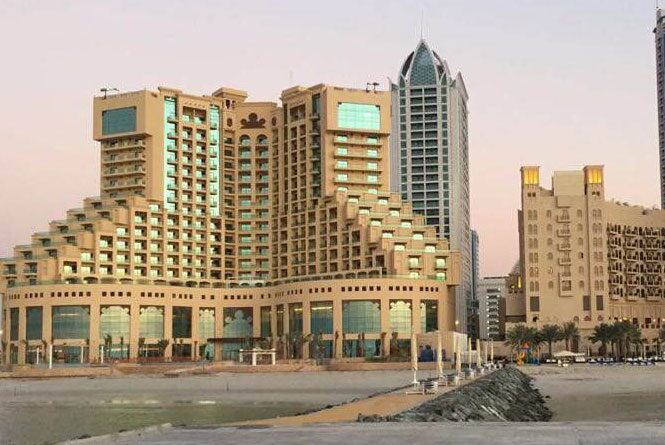
Dubai hosts over 30 free zones, each with its own authority, regulations, and industry specializations. From Jebel Ali Free Zone (JAFZA) for trade and logistics to Dubai International Financial Centre (DIFC) for finance, and Dubai Internet City (DIC) for tech, the choice is vast.
The common thread is a business-friendly regulatory framework designed for foreign investors. Company incorporation in Dubai free zones is a process distinct from setting up on the UAE mainland. It operates under its own set of rules, offering a streamlined, foreigner-centric pathway.
Key Advantages of Opting for a Free Zone
The decision to pursue company incorporation in Dubai free zones is driven by several powerful benefits:
- 100% Foreign Ownership: This is the most significant advantage. You retain complete control of your business without the need for a local UAE partner or sponsor.
- Full Tax Exemptions: Companies typically benefit from 100% exemption from corporate and personal income taxes for a renewable period, often 50 years. There are also no import or export duties.
- Complete Repatriation: You can repatriate 100% of your capital and profits back to your home country without any restrictions.
- Streamlined Processes: Each free zone authority acts as a one-stop-shop, consolidating licensing, visa processing, and government facilitation.
- Customized Infrastructure: Free zones offer purpose-built facilities, from warehouses and offices to retail spaces, tailored to their target industries.
Choosing the Right Free Zone for Your Business
Not all free zones are equal. The critical first step in your journey toward company incorporation in Dubai free zones is selecting the zone that aligns with your activity.
Research is key. A logistics company would thrive in JAFZA or Dubai South. A consulting firm might prefer the flexibility of a zone like Sharjah Publishing City or Ajman Free Zone. Tech firms naturally gravitate to Dubai Internet City or Dubai Silicon Oasis.
Consider the license types offered (Commercial, Service, Industrial), the availability of your specific activity, office space options (physical, flexi-desk, virtual), and the associated fee structure.
The Standard Incorporation Process
While specifics vary by zone, the general process for company incorporation in Dubai free zones follows a predictable and efficient path:
- Activity & Zone Selection: Finalize your business activity and choose the most suitable free zone.
- Company Name Reservation: Submit your preferred company name for approval according to UAE naming guidelines.
- Initial Application Submission: Complete the application form and provide initial documents (passport copies, CV, business plan outline).
- Legal Structure Determination: Choose your entity type, typically a Free Zone Establishment (FZE) for a single shareholder or a Free Zone Company (FZC) for multiple shareholders.
- Document Submission & Approval: Submit notarized and attested documents. Upon review, you will receive initial approval.
- Office Space Agreement: Lease your chosen office space, warehouse, or opt for a flexi-desk/virtual office package if permitted.
- License Fee Payment & Collection: Pay all relevant government and license fees, after which you will receive your official trade license.
- Visa Applications: Apply for investor and employee residency visas sponsored by your new company.
Legal Structures and Licensing Options
During company incorporation in Dubai free zones, you must select a legal structure. The most common are the Free Zone Establishment (FZE), a single-shareholder entity with limited liability, and the Free Zone Company (FZC), for 2 to 5 shareholders.
Furthermore, you will obtain a license corresponding to your activity:
- Trading License: For import, export, and general trading of goods.
- Service License: For professional services, consultancy, and service-based activities.
- Industrial License: For manufacturing, processing, or industrial projects.Some zones also offer niche licenses for media, e-commerce, or healthcare.
Costs and Financial Considerations
The cost of company incorporation in Dubai free zones is not fixed. It depends primarily on your chosen free zone and your required office solution.
Major cost components include:
- License Fee: An annual fee based on your license type and activity.
- Office Rental: The annual rent for your physical space, flexi-desk, or virtual office package.
- Registration Fees: One-time setup charges paid to the free zone authority.
- Visa Costs: Government fees for each residency visa you sponsor for yourself and employees.It is crucial to request a detailed quotation from the free zone or a registered agent to understand all financial obligations.
Post-Incorporation Essentials
Successfully completing your company incorporation in Dubai free zones is just the beginning. Several important steps follow:
Opening a corporate bank account in the UAE is a priority. While straightforward for established businesses, it requires proper documentation, including your license, shareholder details, and a business plan.
Maintaining compliance is non-negotiable. This involves renewing your license and office lease annually and keeping proper corporate records as per the free zones regulations. Failure to do so can result in penalties.
Finally, leveraging the free zones ecosystem—networking events, business support services, and logistics facilities—can significantly contribute to your companys growth and success in the region.
FAQs on Company Incorporation in Dubai Free Zones
Q1: Can my free zone company do business directly with the UAE local market?
A1: Free zone companies are designed for international business and trade within other free zones. To conduct business directly with clients on the UAE mainland, you typically need to contract through a locally registered UAE distributor/agent or establish a mainland LLC. However, many free zones now offer customs code solutions to facilitate local invoicing, subject to standard UAE import duties.
Q2: How many visas can I get for my free zone company?
A2: The number of visas your company is eligible for is directly tied to the size of your physical office space. Each free zone has a specific quota (e.g., one visa per 9-10 square meters). Virtual or flexi-desk packages usually include a limited number of visa quotas.
Q3: Is there a minimum capital requirement for free zone incorporation?
A3: Most Dubai free zones do not enforce a mandatory minimum paid-up share capital. You declare a standard or authorized capital that is suitable for your operations. There is usually no requirement to block or deposit this amount in a bank.
Q4: What is the typical timeline for the entire incorporation process?
A4: The process is notably efficient. From initial application to receiving your trade license, it can typically be completed within 7 to 14 working days, provided all documents are correctly prepared and submitted without delay.
Q5: Can I convert my existing overseas company into a Dubai free zone entity?
A5: Direct conversion is not standard procedure. The process involves incorporating a new legal entity within the Dubai free zone. Your existing foreign company can act as the sole shareholder of this new free zone establishment, effectively creating a branch or subsidiary in Dubai. Legal advice is recommended for structuring such a setup.