 Time: 2026-08-14
 Author: Zhuoxin Enterprise
 Source: Zhuo Xin
 Views: 147
Establishing a business in the United Arab Emirates is a strategic move for many global entrepreneurs. While free zones are popular, company formation in Dubai mainland offers distinct and powerful advantages. This path provides direct access to the wider UAE and GCC market without restrictions.
Choosing the right jurisdiction is critical. The Dubai mainland, regulated by the Department of Economic Development (DED), is ideal for businesses aiming to trade freely within the local economy. It’s a decision that demands clear understanding.
This article details the essential aspects of company formation in Dubai mainland. We will explore the legal structures, the step-by-step process, and the key benefits. This knowledge is vital for a smooth and successful setup.
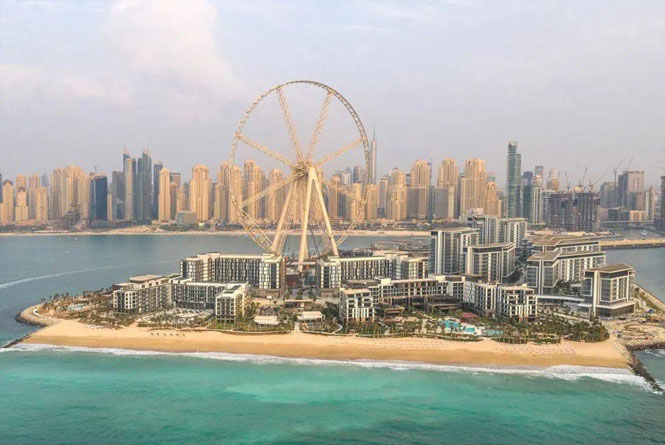
Understanding Dubai Mainland Company Licensing
The Dubai Department of Economic Development (DED) is the primary authority for company formation in Dubai mainland. The DED issues licenses based on your business activity. These are broadly categorized into commercial, professional, industrial, and tourism licenses.
Your chosen activity dictates the legal structure, office requirements, and even sponsorship rules. Its the first and most crucial step. A clear activity code is mandatory for the application process.
Unlike free zones, mainland companies can undertake a wide range of activities. From general trading and contracting to consultancy and retail, the options are extensive. Each activity has specific prerequisites that must be met.
Legal Structures for Mainland Businesses
Selecting the correct legal structure is fundamental to your company formation in Dubai mainland. The most common options for foreign investors are Limited Liability Companies (LLCs) and Sole Establishments.
An LLC is the preferred choice for most. It requires a minimum of one and a maximum of fifty shareholders. A key rule is that a UAE national must hold at least 51% of the shares. However, profit distribution can be negotiated differently via a legal side agreement.
For professionals like consultants, engineers, or auditors, a Sole Establishment is viable. This structure requires a UAE national to act as a Local Service Agent (LSA). The LSA does not own shares or partake in profits but facilitates the licensing.
Branch offices of foreign companies are also permitted. This allows an existing overseas company to operate in Dubai under its parent companys name. It requires a Local Service Agent as well.
The Step-by-Step Registration Process
The process for company formation in Dubai mainland is systematic. While it can be navigated independently, most investors use a reputable business setup consultant. The key steps are outlined below.
First, reserve your proposed trade name with the DED. The name must comply with UAE naming conventions and should not be offensive or already in use. Approval is required before proceeding.
Next, submit the initial application and obtain preliminary approval from the DED. This includes selecting your legal structure and business activities. Then, you will need to draft and notarize the companys Memorandum of Association (MOA).
Securing a physical office space is mandatory for mainland companies. You must lease an office, warehouse, or retail space, and obtain an Ejari (tenancy contract). This address will be on your license.
Finally, submit all documents—including MOA, Ejari, passport copies, and approvals—to the DED for final review. Upon approval, you pay the fees and collect your business license. Additional steps like visas and bank account opening follow.
Key Advantages and Potential Challenges
Opting for company formation in Dubai mainland comes with significant benefits. The most prominent is the ability to do business directly with the UAE government and corporate sector. You can also participate in government tenders.
Mainland companies can open corporate bank accounts with greater ease, as banks are very familiar with the DED model. There are no restrictions on the currency of trade, and you can invoice in AED or other currencies.
Perhaps the biggest advantage is market access. Your company can trade goods and services anywhere in the UAE and the wider GCC without customs barriers. You can also establish multiple branches across the Emirates.
However, challenges exist. The 51% UAE national ownership requirement is often misunderstood. While its a legal mandate for share capital, profits and operational control can be allocated differently through a private, notarized agreement.
The process can be more complex than in a free zone. Interacting with multiple authorities (DED, municipality, immigration) requires time and understanding of local procedures. Professional guidance is highly recommended.
Costs, Timelines, and Post-Setup Requirements
The cost of company formation in Dubai mainland varies widely. It depends on your activity, office space rent, and license type. Generally, expect to invest between AED 15,000 to AED 50,000 or more in initial government and professional fees.
The timeline from start to license issuance typically ranges from 7 to 15 working days. This assumes all documents are in order and the office space is secured promptly. Delays can occur if applications require additional clarification.
After obtaining your license, immediate post-setup steps include applying for employee visas through the General Directorate of Residency and Foreigners Affairs (GDRFA). You will also need to register for VAT if your taxable supplies exceed the mandatory threshold.
Opening a corporate bank account is a critical next step. Prepare a solid business plan and be ready for due diligence. Annual renewal of your license and visas is required, along with potential audit requirements depending on your legal structure.
FAQs: Company Formation in Dubai Mainland
Q1: Can a foreign investor have 100% ownership in a Dubai mainland company?
A1: In most cases, no. The standard requirement for a mainland LLC is 51% UAE national ownership. However, under the revised Commercial Companies Law, certain strategic activities and projects can be 100% foreign-owned. Additionally, for professional licenses, full ownership is possible with a Local Service Agent. Its best to consult the DED or a setup specialist for the latest regulations applicable to your specific activity.
Q2: What is the difference between a Local Service Agent (LSA) and a UAE national shareholder?
A2: A UAE national shareholder in an LLC owns 51% of the companys capital shares legally. A Local Service Agent (LSA), required for sole establishments or branch offices, does not have any ownership or profit share. The LSA is a sponsor who facilitates the license for a fixed annual fee and is not liable for the companys debts or operations.
Q3: Is a physical office mandatory for all mainland businesses?
A3: Yes. The Dubai mainland license requires a physical office, warehouse, or retail space. A flexi-desk or virtual office from a free zone is not acceptable for the initial DED license application. You must provide an Ejari (tenancy contract) for a physical location.
Q4: Can a mainland company do business in UAE free zones?
A4: Absolutely. One of the prime advantages of a mainland company is its ability to conduct business anywhere in the UAE, including all free zones. Conversely, a free zone company generally cannot do business directly in the UAE mainland without involving a local distributor or agent.
Q5: How many visas can I get for my mainland company?
A5: The number of visas you are eligible for is linked to the size of your office space. The DED and GDRFA use a formula based on square footage (e.g., one visa per 9-12 sqm). A standard 200 sqm office can typically sponsor 10-15 employees. Larger spaces will allow for more visas.