 Time: 2026-08-14
 Author: Zhuoxin Enterprise
 Source: Zhuo Xin
 Views: 448
Starting a business in Dubai is a clear goal for many entrepreneurs and established corporations. The citys strategic location, tax advantages, and modern infrastructure make it a powerful hub. However, navigating the official procedures can seem complex if you are unfamiliar with the system. This article clearly explains the main steps and considerations for the Dubai company registration process, providing a practical roadmap for your venture.
Understanding the specifics of the Dubai company registration process is the first critical task. Your path will differ significantly depending on your chosen business jurisdiction. Dubai offers three primary zones, each with its own rules and benefits.
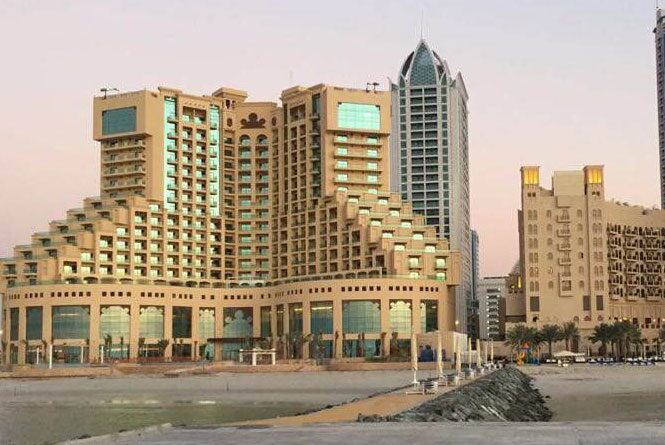
Mainland, Free Zone, or Offshore: Choosing Your Base
Your entire company structure and operational scope hinge on this initial decision. Each option serves different business objectives.
- Mainland (DED) Company: Allows you to trade directly within the UAE local market and bid on government contracts. It requires a UAE national as a Local Service Agent (for sole establishments) or a local shareholder holding 51% (for LLCs). This is essential for businesses like retail, construction, and many professional services targeting the Dubai economy.
- Free Zone Company: Offers 100% foreign ownership, full profit repatriation, and often custom packages for office space and visas. However, your business activity is generally limited to operating within the specific free zone and internationally. You cannot directly trade in the UAE mainland without a distributor or local partner. Ideal for trading, consulting, IT, and logistics firms.
- Offshore Company: Designed for holding assets, international trading, and estate planning. An offshore company cannot conduct business within the UAE. It provides anonymity and operates with minimal compliance requirements.
Key Steps in the Dubai Company Registration Process
While details vary, a standard framework applies to most setups. Following these steps in order will save you considerable time and effort.
1. Finalize Your Business Activity and Legal Structure
You must define your companys activities precisely. The UAE uses a standardized coding system. Your chosen activity dictates the licenses you need and the government fees. Next, select your legal form—LLC, Free Zone Establishment (FZE), Branch, etc.—based on your ownership model and liability preferences.
2. Select and Approve Your Company Name
The name must comply with the relevant authoritys guidelines. It should not offend cultural norms or imply connections to government entities. Names are also checked for uniqueness within the jurisdiction.
3. Prepare and Submit Documentation
This stage involves paperwork. Required documents typically include:
- Passport copies of shareholders and proposed manager
- Proof of address for shareholders
- A detailed business plan (sometimes required)
- No-Objection Certificates (NOCs) from current sponsors if applicable
- Signed application forms and MOA/AOA drafts
4. Obtain Initial and Final Approvals
The relevant department (DED or Free Zone Authority) reviews your application. Initial approval signals that the government has no objection to forming the company. After this, you can proceed to draft the constitutional documents officially.
5. Secure Your Physical Office Space
Every company needs a registered address. For mainland companies, this is a physical office or warehouse. Free zones offer flexible options, from virtual offices to full-scale warehousing. You will need to submit your tenancy contract (Ejari for mainland) as part of the process.
6. Receive Your Incorporation Documents
Upon completion, you receive your official trade license. This package usually includes:
- The commercial license
- Certificate of Incorporation
- Share certificates (if applicable)
- The companys stamped Memorandum of Association
7. Apply for Visas and Open a Corporate Bank Account
With your license, you can begin the process of applying for employee residency visas and work permits through the General Directorate of Residency and Foreigners Affairs (GDRFA). Simultaneously, you can approach banks to open your companys corporate account, presenting your complete set of incorporation documents.

Required Documents and Typical Costs
Preparation is key. Having your documents ready accelerates everything. While lists vary, common requirements are shareholder passports, visa copies, photos, and attested educational certificates for certain professional licenses. Costs are not fixed. They depend heavily on your jurisdiction, license type, and number of visas. A simple free zone company might start from AED 15,000, while a mainland LLC can range from AED 30,000 to AED 50,000 or more, excluding office rental costs. Always budget for government fees, license fees, and visa processing costs.
Why Professional Assistance is Recommended
The Dubai company registration process is systematic but involves multiple government entities. A local business setup consultant or law firm provides invaluable help. They ensure your application is accurate, help you select the optimal jurisdiction, manage document attestation, and liaise with authorities. This support significantly reduces processing time and prevents costly errors or rejections.
Final Steps After Registration
Once registered, your focus shifts to compliance. This includes renewing your license annually, maintaining your office space, renewing employee visas, and filing any required audit reports (especially for mainland companies). Staying compliant is straightforward but non-negotiable for smooth operations.
Successfully completing the Dubai company registration process opens the door to a dynamic market. By understanding the steps, preparing your documents, and choosing the right partners, you can establish your business with confidence and look forward to growing in one of the worlds most forward-looking commercial centers.
Frequently Asked Questions (FAQs)
Q1: How long does the entire Dubai company registration process usually take?
A1: The timeline varies. A free zone company can often be set up in 7-10 working days after all documents are submitted. A mainland LLC typically takes 2-3 weeks, as it involves more government departments like the DED and the Ministry of Economy.
Q2: Can I own 100% of my business in Dubai?
A2: Yes, but only in a Free Zone or through an Offshore company. For a mainland company, except in specific professional activities, a UAE national must hold 51% of the shares. However, recent reforms allow 100% foreign ownership in many mainland commercial and industrial sectors, subject to specific conditions and approvals.
Q3: What is the minimum capital requirement to start a company?
A3: For most free zones and mainland LLCs, there is no longer a mandatory minimum capital that needs to be deposited in a bank. However, you must declare a "share capital" in your MOA, and you are personally liable for it. Some activities, like banking or insurance, have specific capital requirements.
Q4: Do I need to be physically present in Dubai to register a company?
A4: No, you do not. The entire process can be handled by a legally authorized representative or a business setup agent. You will need to provide notarized and attested copies of your passport and other documents. However, you or a manager will need to be present to open the corporate bank account.
Q5: What is the main difference between a Free Zone and Mainland license for trading goods?
A5: A Free Zone company can import, export, and manufacture goods within its zone and internationally. To sell those goods within the UAE local market (Dubai mainland), it generally must do so through a registered mainland distributor or agent. A mainland LLC can trade directly with the local market without any intermediary.