 Time: 2025-11-19
 Author: Zhuoxin Enterprise
 Source: Zhuo Xin
 Views: 305
The United Arab Emirates has long been a magnet for global entrepreneurs, and its network of specialized free zones is a cornerstone of its appeal. A freezone company setup offers a powerful, streamlined pathway to establishing a business in one of the worlds most dynamic economic landscapes. However, diving into a freezone company setup without a clear roadmap can lead to confusion and costly missteps. Whether youre a serial entrepreneur or launching your first venture, understanding the core components is non-negotiable for success. This article breaks down the five essential things you absolutely must know about the process, benefits, and strategic considerations of a freezone company setup.
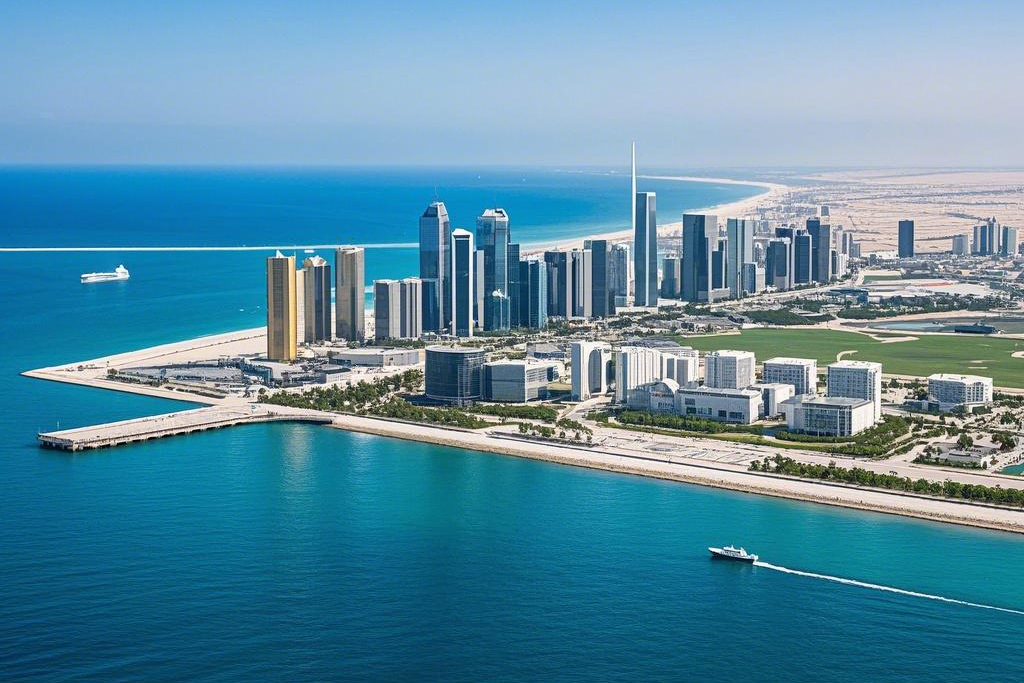
The Unbeatable Advantages of a Freezone Company Setup
Why does a freezone company setup continue to be such a popular choice? The benefits are specifically designed to attract foreign investment and foster business growth.
First and foremost is 100% foreign ownership. Unlike mainland companies which may require a local sponsor, a freezone company setup allows you to retain full control of your enterprise. Secondly, businesses enjoy full repatriation of profits and capital. This means you can send all your earnings and initial investment back to your home country without restrictions. Add to this zero corporate and personal income taxes (a key reason many pursue a freezone company setup), coupled with customs duty exemptions, and you have a recipe for significant financial efficiency. Finally, free zones offer modern infrastructure, streamlined administrative services, and a collaborative ecosystem of like-minded businesses.
Choosing the Perfect Free Zone for Your Business
Not all free zones are created equal. A critical step in your freezone company setup journey is selecting the zone that aligns perfectly with your business activities and goals. The UAE is home to over 30 free zones, each with its own specialization, regulations, and fee structures.
For example, DMCC is ideal for commodities trade and global businesses, while Dubai Internet City (DIC) is the hub for tech giants and startups. If youre in media, Dubai Media City (DMC) is the obvious choice, and for financial services, the Dubai International Financial Centre (DIFC) is unparalleled. Key factors to consider include the cost of licensing and office space, the availability of your specific business activity, the zones reputation, and its proximity to relevant partners or ports. Thorough research at this stage is the most impactful decision you will make for your freezone company setup.
A Step-by-Step Walkthrough of the Freezone Company Setup Process
While the exact process can vary slightly between zones, the general framework for a freezone company setup is consistent and designed for efficiency. Here is a typical step-by-step breakdown:
Determine Activity and License Type: Your business activity (e.g., trading, consulting, manufacturing) dictates your license type (Commercial, Service, or Industrial).
Select and Reserve a Trade Name: Choose a unique company name and get it approved by the free zone authority.
Submit the Initial Application: Prepare and submit the application form along with initial documents like passports and a business plan.
Secure Your Physical Space: Every freezone company setup requires a physical address, which can range from a flexi-desk to a full office or warehouse.
Finalize Documentation and Payment: Submit all legalized documents (e.g., shareholder agreements) and pay the required fees for the license, registration, and office space.
Receive Your License and Launch: Once approved, you will receive your trade license and incorporation certificate, officially completing your freezone company setup.
Demystifying Costs and Financial Planning
A transparent understanding of the financial commitment is crucial for a successful freezone company setup. The costs are not a single lump sum but a combination of initial and recurring fees.
The primary costs include:
License Fee: The core cost for your business license, which can range from AED 10,000 to AED 50,000+ annually depending on the zone and activity.
Registration Fee: A one-time or annual fee for company incorporation.
Office Rental: A mandatory expense, with options like flexi-desks starting from ~AED 5,000 per year to premium offices costing significantly more.
Visa Fees: Costs associated with sponsoring employees and shareholders, including application fees, medical checks, and Emirates IDs.
Budgeting accurately for your freezone company setup ensures there are no surprises and allows for smooth financial operations from day one.
Visa Entitlements and the Employee Sponsorship Process
One of the most valuable benefits of a freezone company setup is the ability to sponsor visas for the companys owners, employees, and their families. The number of visas you are eligible for is typically tied to the size of your office space.
A flexi-desk might grant you one or two visas, while a larger office can sponsor dozens of employees. The visa process for a freezone company setup generally involves:
Applying for an entry permit.
Completing a status change and medical fitness test.
Getting an Emirates ID registration.
Having the residency visa stamped on the passport.
Most free zones have dedicated service centres that simplify this process, making it one of the most managed aspects of your freezone company setup.
Frequently Asked Questions (FAQs)
Q1: Can my free zone company do business directly within the UAE local market?
A1: A free zone company is licensed to operate internationally and within the free zone. To conduct business directly with the UAE mainland (local market), you typically need to engage a local distributor or agent, or go through customs as an international import/export transaction. Some free zones offer specific licenses for this purpose.
Q2: What is the minimum capital requirement for a freezone company setup?
A2: Most free zones in the UAE do not require a mandatory minimum paid-up share capital. A standard requirement is an authorized share capital of AED 50,000, but this is not a cash deposit that needs to be locked away; it represents the companys worth and can be used for business operations.
Q3: How long does the entire freezone company setup process take?
A3: The timeline can vary based on the free zone and the completeness of your documents. However, for a straightforward application, the entire process from initial application to receiving your license can typically be completed within 2 to 5 weeks.
Q4: Is it possible to change my business activity after the initial setup?
A4: Yes, it is usually possible to amend your license to add or change business activities. This process involves submitting a formal application to the free zone authority, paying an amendment fee, and obtaining approval for the new activity.
Q5: What is the difference between a Free Zone Establishment (FZE) and a Free Zone Company (FZCO)?
A5: An FZE is a limited liability company with a single shareholder, while an FZCO is a limited liability company with two or more shareholders (up to a maximum of five). The choice depends on your ownership structure and future plans for bringing in partners.