 Time: 2026-05-29
 Author: Zhuoxin Enterprise
 Source: Zhuo Xin
 Views: 937
Starting a company in the Emirates offers unmatched advantages. Many entrepreneurs choose a UAE free zone business setup because it provides 100% foreign ownership and zero customs duties. The process is faster than mainland registration, and you gain access to world-class infrastructure.
With over 40 free zones across Dubai, Abu Dhabi, Sharjah, and Ras Al Khaimah, selecting the right one is critical. Each zone focuses on specific industries like tech, media, logistics, or healthcare. This guide breaks down everything you need to know.
We will cover costs, legal steps, visa quotas, bank account opening, and common mistakes. By the end, you will have a clear roadmap to launch your business smoothly.
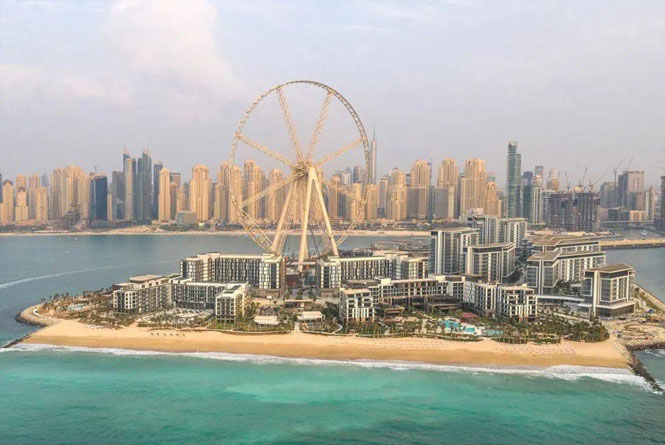
Why a UAE Free Zone Business Setup Attracts Global Investors
Free zones are designed to eliminate bureaucratic barriers. You can register a company within days, not months. The legal framework follows English common law in many zones, which reduces uncertainty.
Key benefits include:
100% repatriation of capital and profits.
No corporate or personal income tax for 15–50 years (renewable).
No currency restrictions – free capital movement.
Strategic location between Europe, Asia, and Africa.
Many investors also value the modern office spaces, co-working hubs, and logistics support. A UAE free zone business setup allows you to operate without a local sponsor, which is mandatory in mainland structures.
Another advantage is the streamlined visa process. You can secure residency visas for yourself, family members, and employees under the zone’s sponsorship.
Top Free Zones for Different Business Activities
Dubai Multi Commodities Centre (DMCC)
Ideal for trading, commodities, and fintech. DMCC hosts over 20,000 companies. It offers flexible office solutions and a vibrant community.
Licensing costs start around AED 15,000. Visa quotas begin with 2 visas. DMCC also provides a crypto and blockchain-friendly ecosystem.
Abu Dhabi Global Market (ADGM)
Best for financial services, asset management, and holding companies. ADGM operates on English common law. It has its own independent judicial system.
Registration takes 2–3 weeks. The zone is located on Al Maryah Island, close to government offices and luxury hotels.
Sharjah Research Technology and Innovation Park (SRTIP)
Focuses on R&D, deep tech, and AI startups. Land and offices are more affordable than Dubai. SRTIP offers long-term innovation grants.
This zone is perfect for engineers and scientists who need laboratory space. Approval process is research-friendly.
RAKEZ (Ras Al Khaimah Economic Zone)
Cost-effective for small businesses. Packages start at AED 5,750. RAKEZ allows multiple activities under one license.
You can open a bank account remotely with some local banks. Many e-commerce entrepreneurs prefer RAKEZ for its low overhead.
Before committing, compare setup fees, annual renewals, and physical office requirements. Some zones accept virtual offices, while others demand a dedicated desk.
Step-by-Step Process for a UAE Free Zone Business Setup
Following a structured workflow prevents delays. Most free zones follow these six stages:
Choose your business activity – Check if it is permitted in the target zone.
Select a legal structure – FZE (one shareholder) or FZCO (2–5 shareholders).
Reserve your company name – Avoid vulgar or religious terms.
Apply for initial approval – Submit passport copies and business plan.
Lease an office or desk – Physical presence is mandatory.
Receive license & apply for visas – Process e-channel registration.
The average timeline is 10–20 working days. Express services (3–5 days) are available for an extra fee. A UAE free zone business setup typically costs between AED 10,000 and AED 50,000, depending on add-ons.
You must also open a corporate bank account. Many zones have preferred banking partners. Prepare a detailed business plan, invoices, and license copy for compliance.
Cost Breakdown and Hidden Fees to Watch
Transparency varies by zone. Always ask for a full quotation including renewal charges. Typical one-time costs:
License fee: AED 7,000 – 25,000
Registration and administration: AED 3,000 – 10,000
Office or flexi-desk: AED 5,000 – 30,000/year
Visa per person: AED 3,000 – 7,000 (including medical, ID, stamping)
Establishment card: AED 2,000 – 4,000
Renewal costs are often lower but still significant. Some zones charge AED 1,500 for name reservation. Others add AED 2,000 for external audit fees.
Many entrepreneurs ignore the hidden cost of PRO (Public Relations Officer) services. If you outsource visa stamping and document attestation, budget an extra AED 5,000 per year.
Beware of “all-inclusive” packages that exclude VAT (5%) or security deposits. Always get a written fee schedule before signing any agreement.
For a lean UAE free zone business setup, consider zones like IFZA or Ajman Free Zone. They offer competitive packages with no hidden mandatory add-ons.
Bank Account Opening: Challenges and Solutions
Opening a bank account after your UAE free zone business setup has become stricter. Banks require physical presence, audited financials (for older companies), and proof of business substance.
New free zone companies face rejection if they lack a trade history or a UAE address. To improve approval odds:
Open a personal account in the UAE first (with your residence visa).
Choose banks like RAKBANK, Mashreq, or Wio that are more startup-friendly.
Provide contracts or invoices with future clients.
Deposit a minimum opening balance (AED 10,000 – 50,000).
Some free zones have embedded banking solutions. For example, Wio Business Banking is integrated with ADGM and DMCC. You can open an account digitally within 48 hours.
If rejected by major banks, consider digital banks like Zand, Pyypl, or Nomo. They support multi-currency accounts and provide virtual IBANs.
Never operate a business using a personal account. It violates anti-money laundering laws and can freeze your funds. Always finalize a corporate account within 60 days of receiving your license.
Visa and Residency Rules for Shareholders and Employees
Every free zone company is entitled to a visa quota based on office space. A flexi-desk usually grants 2–3 visas. A dedicated office of 200 sq. ft. might give 6–10 visas.
The process for each visa:
Entry permit (stamped in passport)
Medical fitness test (blood test + chest X-ray)
Biometrics for Emirates ID
Stamping residency on passport
Total time per visa is 2–4 weeks. Costs range from AED 3,500 to AED 7,000 per person. Family visas require a minimum salary of AED 4,000 (or AED 3,000 + accommodation).
You can sponsor parents, spouse, and children under 18. For maids or drivers, additional fees and a higher salary threshold apply.
Visa cancellations must be done within 30 days of employee departure. Otherwise, overstay fines (AED 50/day) accumulate. Always use an approved typing center or PRO to avoid manual errors.
Tax Obligations and Compliance After Setup
Most free zones guarantee 0% corporate tax until the end of their tax holiday. However, from June 2023, the UAE introduced a federal corporate tax of 9% on profits exceeding AED 375,000. Free zone companies are not automatically exempt.
To maintain 0% tax, you must:
Not conduct business with the UAE mainland (excluding specific exempt activities).
Maintain adequate substance (office, staff, expenditure).
File a tax return with the FTA every financial year.
Prepare audited financial statements (if revenue exceeds AED 50 million).
If your free zone company sells to local clients, you become subject to 9% tax. Many entrepreneurs open a separate mainland branch to handle local sales while keeping the free zone entity for international trade.
VAT registration is mandatory if taxable supplies exceed AED 375,000 per year. The rate is 5% on most goods and services. You can reclaim VAT on setup costs like office rent and legal fees.
Work with an approved auditor to prepare your corporate tax registration and quarterly VAT returns. Penalties for late registration start at AED 10,000.
Common Mistakes to Avoid During Free Zone Registration
Even experienced investors make errors. Here are five frequent pitfalls:
Choosing the wrong activity – If you later add another activity, you may need a new license or pay amendment fees (AED 5,000+).
Underestimating office costs – Some zones require a physical office within 6 months. Virtual-only packages are being phased out.
Ignoring renewal deadlines – Late renewal penalties range from AED 500 per month to license cancellation.
Failing to open a bank account in time – Without a bank account, you cannot invoice clients or pay staff. Plan this before license issuance.
Using unregistered PROs – Only government-approved typing centers and PROs can submit applications. Unauthorized agents cause rejections and fines.
Another costly mistake is not checking if your home country has a double taxation agreement with the UAE. Without it, you might pay tax twice on the same income. Consult a cross-border tax specialist early.
Finally, do not overstate your visa quota needs. Each visa incurs annual renewal fees. Reduce unused visas to lower costs. A lean UAE free zone business setup keeps monthly overhead below AED 3,000.
Long-Term Growth: Converting to Mainland or Multiple Licenses
Many companies start in a free zone, then expand to the mainland to access local market (especially government contracts). Conversion is possible but requires a local service agent or a minority UAE partner.
Alternatives to conversion:
Open a branch of the free zone company on the mainland.
Obtain a dual license (some free zones partner with DED).
Set up a separate mainland LLC while keeping free zone IP holding company.
Large free zones like DMCC and Dubai South offer “market access” permits. For an annual fee of AED 10,000–25,000, you can trade directly with local retailers and e-commerce platforms like Noon or Amazon.ae.
Plan your exit strategy early. If you intend to sell the company, ensure your free zone allows share transfers without major restrictions. ADGM and DIFC have the most investor-friendly share transfer rules.
Frequently Asked Questions (FAQs)
Q1: What is the minimum capital required for a UAE free zone business setup?
A1: Most free zones do not require paid-up capital for service or trading licenses. However, some specialist zones (e.g., DIFC for finance) may ask for AED 100,000 to AED 500,000. For standard setups, you can start with no capital deposit. Check specific zone rules before applying.
Q2: Can I live in Dubai while my company is in a different emirate's free zone?
A2: Yes. Your visa will be issued by the free zone authority where your company is registered. You can rent a home in Dubai, Sharjah, or any other emirate. The visa is valid nationwide. Just ensure your tenancy contract is attested if you sponsor family visas.
Q3: How long does the entire UAE free zone business setup process take?
A3: Standard processing takes 10–20 working days. Some zones (like IFZA and RAKICC) offer express packages for 3–5 working days. The delay often comes from document attestation and bank account opening, which can take an additional 2–4 weeks. Plan for 6–8 weeks in total.
Q4: Do I need a physical office or can I use a flexi-desk?
A4: Flexi-desks (shared workstations) are accepted in most free zones for visas up to 6. However, some banks may reject account applications if only a flexi-desk is listed. For credibility, consider renting a small physical office. Many zones now mandate a dedicated space for trading and logistics companies.
Q5: Can I use my UAE free zone company to invoice clients inside the UAE?
A5: Yes, but with conditions. If your free zone is classified as “designated zone” for VAT purposes, you can invoice mainland clients without charging VAT only for goods entering the zone. For services, VAT at 5% applies. Additionally, if your local revenue exceeds AED 1 million per year, you may lose your 0% corporate tax benefit. Consult a tax advisor before signing local contracts.
Q6: What happens if I don't renew my free zone license?
A6: Late renewal within 30 days incurs a penalty (typically AED 500–1,500). After 60–90 days, your license is automatically canceled. Your visas become invalid, and you must leave the country or switch to another sponsor. The zone may also send your name to immigration blacklist. Always renew on time or formally liquidate the company.
Starting a company in any Emirati jurisdiction is a strategic decision. A proper UAE free zone business setup gives you operational flexibility, tax efficiency, and global reach. Work with an experienced business setup consultant to navigate activity codes, visa quotas, and bank introductions.
Compare at least three free zones before signing. Request a breakdown of first-year and renewal fees. With the right planning, you can launch your business within one month and scale across the Middle East, Africa, and South Asia.