 Time: 2026-08-14
 Author: Zhuoxin Enterprise
 Source: Zhuo Xin
 Views: 397
Abu Dhabi’s Khalifa Industrial Zone (Kizad) is a prime destination for investors. Understanding the kizad free zone business setup procedure is the first step toward a successful venture. This guide explains requirements, fees, and advantages. Whether you are a manufacturer or trader, the kizad free zone business setup offers flexibility and growth potential. Read on for a detailed breakdown.
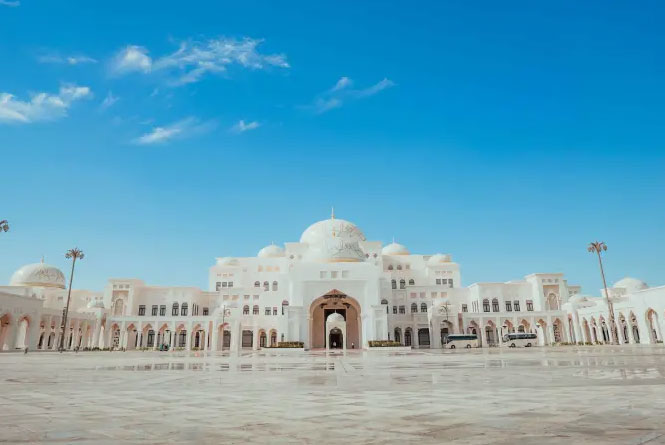
Why Kizad? Key Advantages for Your kizad free zone business setup
Kizad is part of the larger Khalifa Port complex, providing seamless logistics. Companies benefit from 100% foreign ownership and no currency restrictions. The zone is tailored for industrial and logistics operations, making your kizad free zone business setup cost-efficient in the long run.
Proximity to Khalifa Port – one of the region’s busiest container ports.
Access to Abu Dhabi’s main transport corridors (E20 and E11 highways).
Customs cleared benefits and duty-free import/export.
Availability of ready-built warehouses and developed land plots.
Strategic Location and Infrastructure
Kizad spans over 400 square kilometres and is integrated with Khalifa Port. This means your goods can move from factory to ship in record time. The infrastructure includes high-capacity power, water, and gas networks, which support heavy industries. A kizad free zone business setup here positions you near global shipping routes.
Step-by-Step kizad free zone business setup Process
Setting up in Kizad follows a clear workflow. Authorities have streamlined procedures to get you operational quickly. Below are the main stages you will go through.
1. Choose Your Business Activity and Licence Type
Kizad offers three licence categories: industrial, commercial, and logistics. Your choice determines the scope of operations. For example, an industrial licence allows manufacturing, while a commercial licence covers trading. The kizad free zone business setup starts with selecting the right licence.
Industrial licence – for production, assembly, and processing.
Commercial licence – for general trading, distribution, and warehousing.
Logistics licence – for freight forwarding and transport services.
2. Reserve Your Company Name and Submit Initial Application
Once the activity is clear, you reserve a trade name and submit the application form. Required documents include passport copies and a business plan for certain activities. This stage usually takes 2–3 working days. The registration fee is part of the overall kizad free zone business setup cost.
3. Lease Agreement and Space Selection
You then choose your facility: a ready-built unit, a plot to construct your own, or a flexi-desk for service companies. Lease terms vary from 1 to 25 years. Signing the lease commits you to the rental portion of your kizad free zone business setup expenses.
4. Visa Processing and Employee Registration
After the lease is signed, you can apply for investor and employee visas. The number of visas depends on the size of your space. Medical tests and Emirates ID registration follow. Each visa adds to your total kizad free zone business setup investment.
Understanding kizad free zone business setup Costs
Costs vary widely based on licence type, space, and number of visas. Below is a typical breakdown for a small industrial unit. Always request a current quotation as fees are subject to change.
Licence fee: Industrial licence approx. AED 15,000 – AED 25,000 per year.
Lease (ready-built unit of 100 sqm): around AED 60,000 – AED 80,000 per year.
Registration and admin fees: one-time AED 3,000 – AED 5,000.
Visa fees (per person): AED 4,000 – AED 5,500 (including medical and ID).
Utility deposits: variable based on consumption.
Thus, a basic kizad free zone business setup with one visa and a small unit may start around AED 85,000 – AED 100,000 in the first year. Renewals are lower because registration fees are not repeated.
Additional Expenses to Consider
Don’t forget external costs like PRO services, bank account opening fees, and health insurance. These can add AED 5,000 – AED 10,000 to your initial kizad free zone business setup budget. Planning for these ensures you are not caught off guard.
Eligible Business Activities in Kizad
Kizad supports a wide range of industries, from heavy manufacturing to light assembly. Some popular sectors include:
Automotive and logistics
Food and beverage processing
Construction materials
Chemicals and plastics
Pharmaceuticals and medical equipment
General warehousing and distribution
If your activity falls under one of these categories, a kizad free zone business setup is straightforward. For specialised activities, you may need approvals from other government bodies.
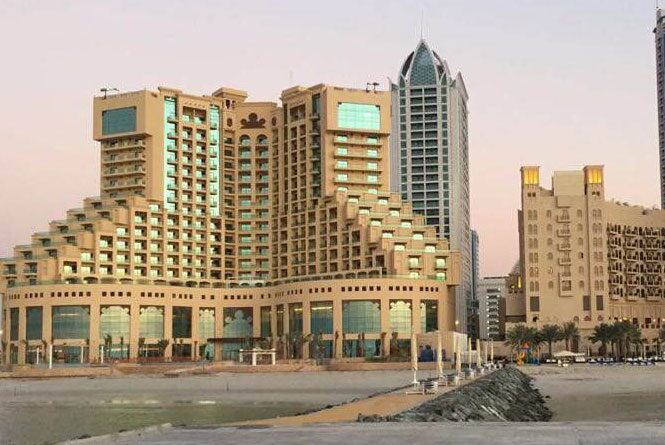
Comparison: Kizad vs. Other Abu Dhabi Free Zones
While Abu Dhabi has several free zones, Kizad is unique due to its deep integration with Khalifa Port. Industrial companies often prefer Kizad over zones like Masdar City or twofour54 because of the available heavy infrastructure. The kizad free zone business setup cost is competitive when you factor in the logistical advantages.
Kizad: best for industrial, logistics, and bulk warehousing.
Masdar City: focused on clean technology and innovation.
twofour54: dedicated to media and entertainment.
ADGM: financial services and fintech.
Choose based on your industry, but for manufacturing, Kizad is the clear leader.
Common Misconceptions About kizad free zone business setup
Some investors think setting up in Kizad is only for large corporations. In reality, the zone welcomes SMEs with flexible unit sizes. Another myth is that the process is slow; actually, with the right documentation, you can be operational in 2–3 weeks. Finally, many believe that the kizad free zone business setup cost is prohibitive, but when you compare with similar zones in Dubai, it is often more affordable per square metre.
Frequently Asked Questions (FAQ) – kizad free zone business setup
Here are answers to the most common queries about establishing a business in Kizad.
Q1: What is the minimum kizad free zone business setup cost for a small trading company?
A1: For a small trading company with a commercial licence and a flexi-desk, the first-year cost can start around AED 30,000 to AED 40,000. This includes licence, flexi-desk rent, registration, and one visa. Prices may vary based on promotions.
Q2: How long does it take to complete the kizad free zone business setup?
A2: The entire process usually takes 1 to 3 weeks, depending on how quickly you provide documents and complete visa formalities. The lease signing and licence issuance are the quickest parts. Delays can occur if additional approvals are needed.
Q3: Can I live in Abu Dhabi city while running my business in Kizad?
A3: Yes, you can reside anywhere in the UAE. Your residency visa will be sponsored by your Kizad company, and you are free to live in Abu Dhabi, Dubai, or any other emirate. Commuting to Kizad is easy via the E20 highway.
Q4: Are there any hidden charges in the kizad free zone business setup?
A4: Reputable setup consultants provide a transparent breakdown. However, some hidden costs might include utility connection fees, security deposits, and health insurance. Always ask for a detailed quotation that covers all government and administrative fees.
Q5: Can I switch my existing Dubai free zone company to Kizad?
A5: Yes, you can transfer your business to Kizad. The process involves liquidating your current entity or setting up a new one in Kizad. You may need to obtain a No Objection Certificate (NOC) from your current free zone. The kizad free zone business setup team can assist with the transfer.
Q6: What is the maximum number of visas I can get for my kizad free zone business setup?
A6: The visa quota is linked to the size of your office or warehouse. Typically, you get one visa for every 10 square metres of office space or 100 square metres of warehouse. For industrial units, the ratio may be higher. You can apply for additional visas by leasing more space.
Q7: Is banking support available for new Kizad companies?
A7: Yes, all major UAE banks have experience with free zone companies. Kizad has partnerships with several banks to facilitate account opening. The process may take 1–2 weeks after your company is incorporated. Some banks require a minimum balance, so factor that into your kizad free zone business setup financial plan.
Planning a kizad free zone business setup is a strategic move for any entrepreneur targeting the Middle East market. With its port access, modern infrastructure, and investor-friendly policies, Kizad provides a solid foundation. Start by defining your activity, calculating realistic costs, and engaging with the free zone authority or a trusted advisor. Your business can be operational quickly, ready to benefit from Abu Dhabi’s growing economy.