 Time: 2026-08-14
 Author: Zhuoxin Enterprise
 Source: Zhuo Xin
 Views: 454
Entrepreneurs looking for a tax-efficient and fast setup often choose a free zone. A properly executed company formation in uae free zone gives you 100% ownership, zero customs duties, and full capital repatriation. More than 45 free zones operate across the UAE, each with tailored benefits for specific industries. This guide walks you through the seven essential steps to register your business correctly and avoid costly delays.
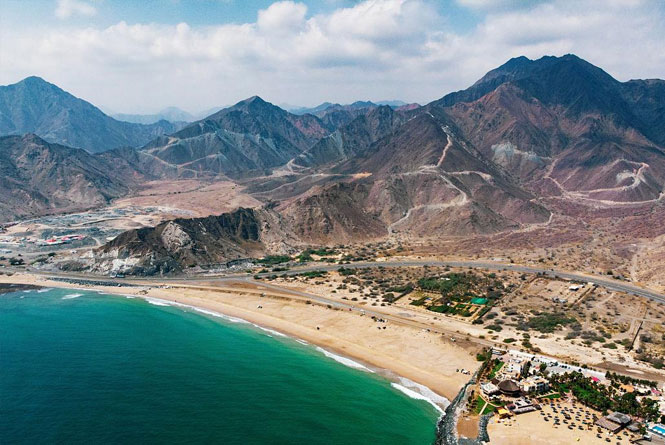
Why company formation in uae free zone Attracts Global Investors
Free zones were designed to remove barriers for foreign investors. You do not need a local partner. You can own your company entirely. Profits and capital can be transferred abroad without restrictions.
Each free zone focuses on specific sectors: Dubai Multi Commodities Centre (DMCC) for trading, Abu Dhabi Global Market (ADGM) for financial services, and Sharjah Research Technology and Innovation Park (SRTIP) for tech startups.
Key advantages include:
0% corporate and personal income tax (subject to qualifying conditions)
No currency controls – full convertibility of dirhams
Simplified visa processes for you and your employees
State-of-the-art infrastructure and logistics support
Many free zones also offer "flexi-desks" or shared offices, reducing initial overheads. You can start with a low-cost license and scale up later.
Step 1: Choose the Right Free Zone for Your Business Activity
Not every free zone accepts every business activity. Some focus on logistics, others on media or healthcare. You must match your intended activity with the zone's license categories.
Popular free zones by activity:
E-commerce & tech – Dubai Silicon Oasis (DSO), Internet City, SRTIP
Logistics & trading – Jebel Ali Free Zone (JAFZA), Sharjah Airport International Free Zone (SAIF Zone)
Media & production – Dubai Media City, twofour54 Abu Dhabi
Finance & consulting – ADGM, Dubai International Financial Centre (DIFC)
Research the zone's prohibited activities. For example, retail trade is generally not allowed in free zones unless you have a physical showroom within the zone.
Cost Comparison Between Major Free Zones
License costs vary significantly. A standard trading license in a northern emirate free zone (e.g., Ajman or Ras Al Khaimah) costs around AED 12,000–15,000 per year. In Dubai, the same license may cost AED 25,000–40,000.
Operational costs like visa fees, office rent, and utility deposits also differ. Always request a full quotation that includes all hidden charges (e.g., establishment card, name reservation, medical insurance deposit).
Do not choose a free zone solely based on price. Check if the zone has a double taxation avoidance agreement with your home country and whether it offers easy access to ports or airports.
Step 2: Select Your Legal Structure and Trade License Type
Most free zone companies register as a Free Zone Limited Liability Company (FZ-LLC) or a branch of an existing foreign entity. An FZ-LLC allows between 1 and 50 shareholders, all with limited liability.
Three common license types:
Commercial license – for trading, general sales, and logistics
Professional / service license – for consulting, IT services, legal advisory
Industrial license – for light manufacturing and assembly
You can apply for multiple activities under one license, but each additional activity may incur extra fees. Stick to two to four related activities to keep costs low.
Once you decide the legal form, you can reserve your company name. The name must not include any religious or political references. Avoid abbreviations that are unclear.
Step 3: Submit Initial Application and Reserve Your Company Name
Name reservation is usually the first official step. Most free zones have an online portal where you check name availability. The fee ranges from AED 500 to AED 1,500.
After name approval, you submit the initial application form, passport copies of all shareholders, and a business plan summary. The free zone authority performs a basic KYC (Know Your Customer) check.
Initial approval is typically granted within 2 to 5 working days. This approval allows you to proceed with leasing office space and drafting the Memorandum of Association (MOA).
Do not pay any large fees before receiving initial approval in writing. Some scammers ask for full payment upfront. Always deal directly with the free zone's official website or a registered corporate service provider.
Step 4: Lease an Office or Flexi-Desk Space
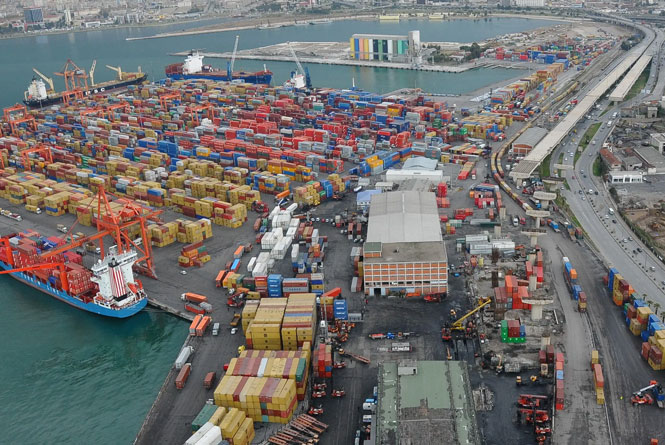
Every free zone company must have a physical address within the zone. Options range from a virtual desk (shared workspace) to a private office or warehouse.
Flexi-desks are the most affordable, often costing AED 8,000–15,000 per year. They include use of meeting rooms, mail handling, and a registered address.
For industrial or logistics activities, you will need a warehouse or land plot. Those leases run longer (typically 3–5 years) and require higher security deposits.
Make sure the lease contract is directly with the free zone authority or an approved developer. Subleases from third parties may not be accepted for license registration.
Hidden Costs to Watch For
Some free zones charge separate "community fees" or "service charges" on top of the stated rent. Ask for a breakdown of all annual service fees before signing. Also confirm if utilities (electricity, water, internet) are included or billed separately.
If you plan to hire many employees, verify that the office space allows the required number of workstations. Free zones limit the number of visas based on office size.
Step 5: Draft and Sign the Memorandum of Association (MOA)
The MOA defines ownership percentages, manager appointments, and profit distribution. For FZ-LLCs, the free zone provides a standard template. You only need to fill in shareholder names and share capital (often nominal, e.g., AED 1,000).
Unlike mainland setups, free zone MOAs do not require notarization by a public notary. However, some zones may require legal translation into Arabic if you plan to open a bank account with certain local banks.
Review the dispute resolution clause carefully. Most free zones have their own arbitration center. That is usually faster than local courts.
Each shareholder must sign the MOA in person or via a power of attorney. Digital signatures are accepted by some free zones, but check their policy first.
Once signed, the MOA is submitted together with the lease contract and initial approval to obtain the final trade license.
Step 6: Obtain Your Trade License and Open a Corporate Bank Account
After the free zone authority verifies all documents, you pay the licensing fee. The trade license is issued electronically within 24–72 hours. You can then download it from the zone's portal.
With the license in hand, the next critical step is opening a corporate bank account. UAE banks require the original license, MOA, passport copies, and proof of office address.
Expect the bank account opening process to take 2–6 weeks. Some digital banks like Wio, Zand, or Pygg offer faster onboarding for free zone companies, but they may have lower transaction limits.
To speed up banking, prepare certified English translations of all documents. Also have a clear business plan showing expected monthly turnover. Many banks reject applications without a plausible operating plan.
Once the account is active, you can inject share capital (if required by the free zone) and start receiving client payments.
Step 7: Apply for Visas and Establish Your Team
Your trade license determines the visa quota. A typical free zone license allows 2 to 10 visas initially. You can increase the quota by paying an additional fee and proving larger office space.
The visa process includes:
Entry permit (e-stamped on passport)
Medical examination and blood test
Emirates ID registration and biometrics
Residence visa stamping in passport
Each visa costs approximately AED 5,000–7,500 including medical insurance, ID card, and stamping fees. You must also provide health insurance for every employee – annual cost from AED 850 to AED 3,500 depending on the plan.
After you receive your own residence visa, you can sponsor family members (spouse, children, and in some cases parents) provided your salary meets minimum thresholds set by the immigration department.
Compliance and Renewal After company formation in uae free zone
Free zone licenses are valid for one year. You must renew before the expiry date to avoid late penalties (usually AED 200–500 per month). Renewal requires a valid lease contract and updated shareholder documents.
Most free zones require annual audited financial statements if your share capital exceeds a certain limit (often AED 1 million). Even if not mandatory, having audited accounts helps with bank financing and future expansion.
Other compliance tasks:
VAT registration if annual turnover exceeds AED 375,000
Corporate tax registration – 9% on profits above AED 375,000 (free zones with substance can still benefit from 0% on qualifying income)
Economic Substance Return (ESR) for relevant activities like distribution, logistics, or intellectual property holding
Anti-Money Laundering (AML) policy and appointment of an AML compliance officer
Non-compliance leads to fines that can reach AED 500,000. Many business owners hire a PRO (Public Relations Officer) or a corporate service provider to handle renewals and regulatory filings.
If you plan to trade within the UAE local market (not just exports), you may need a local distributor or a "dual license" from the Department of Economic Development. This is an extra cost but opens access to the entire UAE market.
Overall, a well-managed company formation in uae free zone can be completed in 3 to 5 weeks from name reservation to visa stamping. With proper planning, your operational costs stay predictable and your legal structure remains fully compliant.
Frequently Asked Questions (FAQ)
Q1: What is the cheapest free zone for company formation in uae free
zone?
A1: The lowest-cost options are usually in Ras Al Khaimah
Economic Zone (RAKEZ), Ajman Free Zone, and Umm Al Quwain Free Zone. Annual
license fees start from AED 10,000–12,000. However, check if your business
activity is allowed and if the zone has the banking relationships you need.
Q2: Can I live in Dubai while having my company formation in uae free
zone in Sharjah or Ajman?
A2: Yes. Free zone visas are valid for the
entire UAE. You can reside anywhere in the country. However, your office must be
physically located within the free zone where you registered. You can live in
Dubai and commute to your Sharjah office.
Q3: Do I need to visit the UAE in person for company formation in uae
free zone?
A3: Many free zones now offer remote or partially remote
setup. You can sign documents digitally and use a power of attorney. However,
for visa stamping and medical tests, you must be present inside the UAE. Bank
account opening usually requires an in-person meeting as well.
Q4: How many visas can I get immediately after company formation in
uae free zone?
A4: Most free zones grant 2 to 3 visas with a
standard flexi-desk license. With a small office unit (around 200 sq. ft.), you
can get 5–6 visas. To obtain 10+ visas, you typically need a larger office or a
warehouse. Always confirm the visa-to-space ratio before leasing.
Q5: Can I switch from a free zone license to a mainland license
later?
A5: Yes, you can. Many companies start in a free zone to test
the market and later convert to a mainland license to trade directly with local
customers. The process involves canceling the free zone license, settling any
liabilities, and applying for a new license from the Department of Economic
Development. Work with a consultant to avoid gaps in legal continuity.
Q6: What happens if I do not renew my free zone license on
time?
A6: Grace periods vary by free zone, typically 30 to 60 days
after expiry. After that, late fines accrue (AED 200–1,000 per month). If you
fail to renew for 6–12 months, the free zone may cancel your license and report
visa cancellations to immigration. Reinstatement becomes expensive and
time-consuming.